25+ Meal Prep Ideas for Postpartum Depression Support Meals
Discover easy, nourishing meal prep ideas for postpartum depression support. Find freezer-friendly recipes, nutrient-dense foods, and tips for healing & mood.
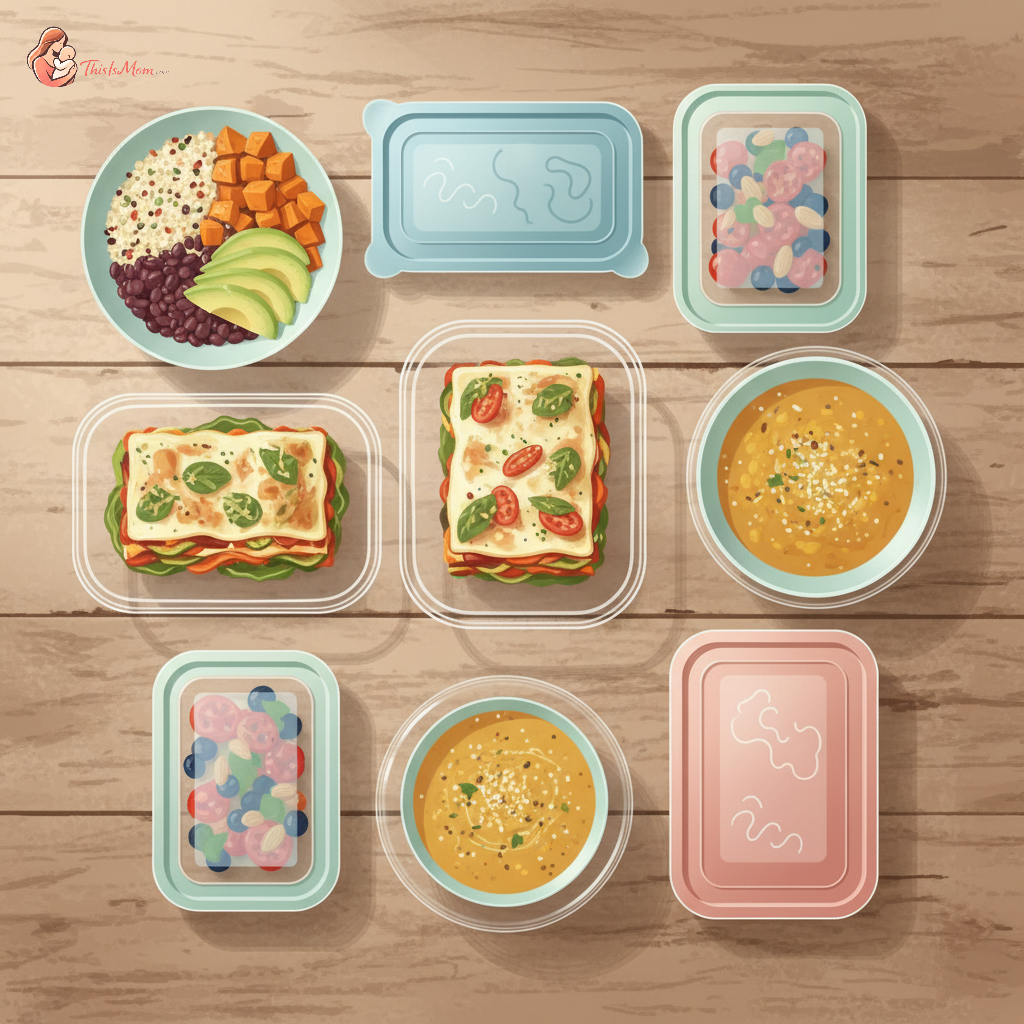
Filling Your Tank: Meal Prep Ideas for Postpartum Depression Support Meals
It was 2 a.m., and the silence was deafening, broken only by the rhythmic shhh-shhh of Noah's breathing and the frantic thump of my own heart. I was staring at the ceiling, a tidal wave of… well, everything, crashing over me. The exhaustion was a physical weight, but the mental fog was worse. I’d forgotten to eat dinner. Again.
Honestly, when I pictured motherhood, I imagined it would be challenging. But I didn't grasp the sheer depth of the isolation, or how hard it would be to just… function. Simple tasks, like making a meal, felt monumental. And when you’re navigating the murky waters of postpartum depression, even the smallest things can feel impossible. That’s when I realized how crucial meal prep ideas for postpartum depression support meals really were, not just for sanity, but for survival.
Nourishment for the Soul: Why PPD and Food Are Linked
Nobody tells you about the bone-deep tired that motherhood brings. It’s a different kind of exhaustion, one that seeps into your very being. When you add the weight of postpartum depression (PPD) to that, the idea of preparing a meal can feel like climbing Mount Everest.
Can Meal Prep Help with Postpartum Recovery?
The short answer is a resounding yes. When you’re in the thick of it, the last thing you have the energy for is complex cooking. Having easy-to-access, nourishing meals ready to go can be a lifesaver. It’s one less decision to make, one less task to stress over.
This isn't about fancy gourmet meals. It's about basic sustenance that fuels your body and, in turn, can help lift your spirit. Preparing or having postpartum freezer meals for depression ready means you can grab something healthy without needing to think, cook, or clean.
The Power of Nutrient-Dense Foods for Mood
There's a real, science-backed connection between what we eat and how we feel. Our brains need specific nutrients to function optimally, and that includes regulating mood. When we’re stressed, sleep-deprived, and possibly dealing with hormonal shifts, our bodies are begging for that nourishment.
Prioritizing nutrient-dense foods becomes even more important during this time. Think vibrant fruits, leafy greens, lean proteins, and healthy fats. These aren't just good for physical healing; research suggests they can play a significant role in supporting mental well-being.
How a Little Help Goes a Long Way
If you’re on the other side of this, maybe you have a friend or family member struggling with PPD. Honestly, showing up with a meal is one of the MOST impactful things you can do. It's a tangible expression of love and support.
For those of us in the trenches, accepting help can be hard. But accepting a meal? That’s often much easier. It’s a little bit of practical kindness that makes a huge difference when you feel like you’re drowning.
Comfort in Every Bite: Easy Meal Prep Ideas for PPD Support
When I think back to the hardest days, it wasn't the lack of sleep that broke me – it was the overwhelming feeling of being unable to care for myself. That's where thoughtful, PPD support meals easy to prepare or reheat come in.
What are some good meals to prep for postpartum?
The best meals for postpartum are ones that require minimal effort to eat. Think fully cooked, easily reheated, and packed with goodness. Variety is great, but don't overcomplicate it. Some go-to's include:
- Shepherd's pie or cottage pie (loaded with veggies and lean protein)
- Chili or hearty lentil soup
- Baked chicken or salmon portions
- Grain bowls with pre-cooked quinoa or farro
- Frittatas or quiches filled with spinach and cheese
The key is having things ready to heat and serve.
Freezer-Friendly Favorites That Truly Nourish
The freezer is your best friend during the postpartum phase. Stocking it with postpartum freezer meals for depression means you have a fallback for those days when even opening the fridge feels too much.
Here are some fantastic freezer-friendly options:
- Lasagna or baked ziti: Make a big pan, then divide into individual servings before freezing.
- Stuffed peppers: Filled with lean ground meat, rice, and veggies, these freeze beautifully.
- Muffins (savory and sweet): Great for a quick snack or a light breakfast. Think bran, blueberry, or even mini egg muffins.
- Smoothie packs: Portion out your favorite fruits, veggies, and a scoop of protein powder into freezer bags. Just add liquid and blend.
- Soups and stews: Make big batches of lentil soup, chicken noodle, or a rich beef stew. These are warming and packed with nutrients.
Label everything with the name of the dish and the date it was made. Trust me, future-you will thank you.
One-Pan Wonders and Slow-Cooker Saviors
When you don’t have the foresight for intense freezer prep, these are your next best friends. They require minimal active cooking time.
- Sheet pan dinners: Think chicken or sausage with roasted vegetables. Chop everything, toss with oil and seasonings, and roast on a single sheet pan. Easy cleanup, too!
- Slow cooker meals: Pulled pork, chicken tacos, or a hearty beef stew can be thrown into the slow cooker in the morning and be ready by dinner. Many recipes allow you to cook and shred the meat for later use in sandwiches or other dishes.
These are fantastic PPD support meals easy to manage on a day-to-day basis.
Beyond the Plate: Ingredients to Boost Your Mood and Heal Your Body
When we talk about comfort meals for postpartum healing, it’s not just about feeling full. It’s about giving your body the building blocks it needs to recover and your brain the chemicals it needs to find balance.
What are comforting meals for postpartum?
Comfort food often means something warm, familiar, and easy to digest. For me, that meant soup, a perfectly cooked piece of chicken, or anything with a bit of cheesy goodness.
Think about what makes you feel good. Is it a creamy risotto? A simple bowl of oatmeal? A hearty slice of banana bread? Focus on those things and see if you can pack extra nutrients into them.
Discover your baby's phase
What foods promote postpartum healing?
Beyond just energy, your body needs specific nutrients for physical recovery. Protein, healthy fats, and a variety of vitamins and minerals are crucial. Here's a quick rundown of what to aim for:
- Protein: Essential for tissue repair.
- Healthy Fats: Support hormone production and brain health.
- Complex Carbohydrates: Provide sustained energy and fiber.
- Hydration: Don't forget water! It’s vital for milk production and overall health.
Brain-Boosting Fats and Mood-Stabilizing Proteins
When it comes to the brain, healthy fats are superheroes. Omega-3 fatty acids, found in fatty fish like salmon, as well as in flaxseeds and walnuts, are known for their mood-boosting properties.
Lean proteins also play a critical role. They help create neurotransmitters like serotonin and dopamine, which are key players in mood regulation. Think chicken, turkey, fish, beans, and lentils.
Vitamins and Minerals for Mama's Recovery
Iron is a big one postpartum, especially if blood loss occurred during delivery. You’ll also want plenty of B vitamins (for energy), Vitamin D (often lacking, linked to mood), and magnesium (helps with stress and sleep).
Leafy greens like spinach and kale are powerhouse sources of many of these. Berries are packed with antioxidants and vitamins. Nuts and seeds offer a good dose of minerals.
Making it Happen: Tips for Preparing or Gifting PPD Support Meals
Whether you’re prepping for yourself or coordinating meals for a friend, there are smart ways to approach it.
Batch Cooking Essentials for New Parents
If you’re doing some prep ahead of time, think about making double batches. One to eat now, and one to freeze for later.
- Choose recipes that freeze well. Stews, chilis, casseroles, and baked goods are generally good choices.
- Portion control is key. Divide meals into single-serving or two-serving containers so you can easily reheat what you need.
- Invest in good containers. Sturdy, freezer-safe containers can make a big difference.
Simple Swaps for Dietary Needs
Not everyone can eat the same things. If you’re prepping for someone else, or for yourself, consider common dietary needs:
- Gluten-free: Use gluten-free grains like quinoa or rice.
- Dairy-free: Opt for coconut milk, almond milk, or dairy-free cheese alternatives.
- Vegetarian/Vegan: Focus on beans, lentils, tofu, and lots of vegetables.
Making a note of these swaps on the container label is a thoughtful touch.
How Friends and Family Can Offer Meaningful Meal Support
When friends and family ask, "What can I do?" this is the perfect time to suggest meals.
- Coordinate a meal train. Websites like Meal Train or Sign-Up Genius make it easy to organize who brings what on which day.
- Gift freezer meals. A basket of frozen meals is a gift that keeps on giving.
- Offer to do the shopping. Sometimes, just having the ingredients on hand is enough.
- Don’t forget snacks! Easy-to-grab, healthy snacks are gold. Think granola bars, fruit, or yogurt cups.
Your help is more impactful than you know.
The Mama's Kitchen Toolkit: What You'll Need
You don’t need a professional kitchen to make this happen. A few essentials can make the process smoother.
Must-Have Pantry Staples
Having a well-stocked pantry means you can whip up a meal or snack even when the fresh stuff runs low. Think:
- Oats
- Rice and quinoa
- Pasta (regular or gluten-free)
- Canned beans and lentils
- Broth (chicken, vegetable, beef)
- Healthy oils (olive oil, coconut oil)
- Spices and herbs
- Nut butters
Freezer Containers and Labeling Tips
Good containers prevent freezer burn and make storage easy.
- Glass or BPA-free plastic containers are great for reheating.
- Freezer bags are perfect for smoothie packs or small portions.
- Permanent markers for labeling are non-negotiable.
When to Ask for Help (and How to Graciously Accept It)
This is perhaps the hardest part for many of us mamas. Asking for help is not a sign of weakness, it's a sign of strength and self-awareness.
If you’re struggling to eat, to cook, or to even think about food, please reach out. Talk to your partner, a trusted friend, a family member, or your doctor.