Milk Bleb vs. Clogged Duct: Differences & How to Treat
Confused about breast pain while breastfeeding? Learn how to tell the difference between a milk bleb and a clogged duct, plus effective home remedies and when to call your doctor.
Milk Bleb vs. Clogged Duct: How to Tell the Difference and What to Do
It was 4:16 a.m. when I first noticed it. A tiny, almost imperceptible white speck on my nipple. It looked like a miniature pearl, innocent enough. But oh, the pain. It radiated through my breast like a tiny, angry fire. I’d heard about clogged ducts, of course; they’re practically a rite of passage for breastfeeding mamas.
But this… this felt different. Smaller. More localized.
So, what’s the deal? Is it a clogged milk duct trying to disguise itself, or is it something else entirely? Let’s dive into milk bleb vs. clogged duct: how to tell the difference for us mamas navigating the beautiful, messy world of feeding our babies.
What’s the Difference? Milk Bleb vs. Clogged Duct
Honestly, it’s easy to get these two confused. They both involve breast pain and can mess with milk flow. But they’re distinct issues with different causes and, often, different treatment approaches.
Milk Bleb: The Tiny White Spot (and Not-So-Tiny Pain)
Think of a milk bleb, sometimes called a milk blister, as a tiny roadblock right at the opening of your nipple pore. It’s essentially a small amount of dried milk or skin cell covering that duct opening.
It can feel like there’s a pinprick of sharp pain, especially when your baby latches. Sometimes they look like a tiny white or yellowish dot.
Clogged Duct: The Tender Lump That Won’t Quit
A clogged duct, on the other hand, is like a traffic jam deeper inside your milk duct system. It’s not just at the nipple opening; it's a blockage that prevents milk from flowing freely through a section of your breast.
You’ll usually feel this as a tender, sore lump or area of firmness in your breast. It might feel pea-sized, or it could be a larger, more diffuse area. The pain can be more of a general ache or throbbing.
How to Tell if It’s a Milk Bleb
Spotting a milk bleb can be tricky because that tiny speck can cause disproportionately big discomfort.
Spotting the Signs: Visual Cues and Sensations
The biggest clue for a milk bleb is that distinct white or yellowish spot right on the nipple itself. It’s often visible at the very tip of the nipple pore.
The pain is usually sharp and localized to that particular spot, intensifying during latch or when pressure is applied. You might feel a shooting pain that radiates.
Initial Home Remedies for a Milk Bleb
Before you do anything drastic, try these gentle methods. They often do the trick for a stubborn milk bleb.
- Warm compresses: Apply a warm, damp cloth to your nipple for 5-10 minutes before nursing or pumping.
- Soaking: Try soaking your nipple in a warm Epsom salt bath (about 1 tablespoon of Epsom salts per cup of warm water) for 5-10 minutes. Do this a few times a day.
- Gentle exfoliation: After soaking, you can try very gently rubbing the area with a soft washcloth.
How to Identify a Clogged Milk Duct
Knowing if you have a clogged milk duct is mostly about what you feel, but also what you see and experience.
Feeling for a Lump: Location and Texture
The most common sign of a clogged duct is finding a tender lump or area of firmness in your breast. This lump might feel smooth, firm, and sometimes a bit like a pea-sized hardness.
It can be anywhere in the breast, from near the armpit to the chest wall. The area will likely feel sore to the touch.
Accompanying Symptoms: Pain, Redness, and Milk Flow Changes
- Pain: While the lump itself is tender, you might also have a general ache or throbbing in that part of your breast.
- Redness: Sometimes, the skin over the clogged duct can appear red or warm. It’s usually a localized redness, not a widespread flush.
- Milk flow changes: You might notice that milk isn't letting down well in that specific area, or that the baby is less effective at emptying that part of the breast.
How to know if you have a clogged milk duct
The combination of a tender lump, localized pain, and potentially some redness is your biggest indicator. If you can feel a specific area of hardness that wasn’t there before, that’s your cue.
Discover your baby's phase
Treating a Milk Bleb: Gentle Relief
Once you suspect a milk bleb, the goal is to gently break through that cap and allow milk to flow.
Warm Compresses and Soaks
As mentioned, warmth is your best friend here. Warm compresses before feeding or pumping help soften everything up. Soaking in warm water, especially with Epsom salts, can also draw out inflammation and help loosen the blockage.
Gentle Nipple Care: The 'Pop' You Can Do at Home (Safely!)
Sometimes, after soaking and applying warmth, the bleb will clear on its own during a feeding. If not, after a warm soak, you can try very gently to use your fingernail to scrape off the surface layer of the bleb, almost like a tiny, delicate scratch.
The key word here is gentle. You are not trying to dig or cause significant pain. The goal is just to create a tiny opening. Sometimes the baby’s latch will do the final work. Some moms also find that using a silicone breast pump flange (like a Haakaa) after a warm soak can help draw out the blockage and create that "pop."
Preventing Future Blebs
- Ensure a good latch: This is paramount. If the baby isn’t latching effectively, milk can pool and cause issues.
- Empty breasts regularly: Feed or pump on demand and try to fully empty your breasts at each session, especially the affected side.
- Vary feeding positions: Don't always feed with the baby in the same position. Try different holds like the football hold or cross-cradle, which can help empty different areas of the breast.
Relieving a Clogged Duct: Warmth, Massage, and Positioning
Clogged ducts require a bit more aggressive (but still loving!) intervention.
Heat and Massage Techniques That Actually Work
The trifecta here is heat, massage, and drainage.
- Apply heat: Use a warm compress or take a warm shower right before attempting to massage and feed/pump.
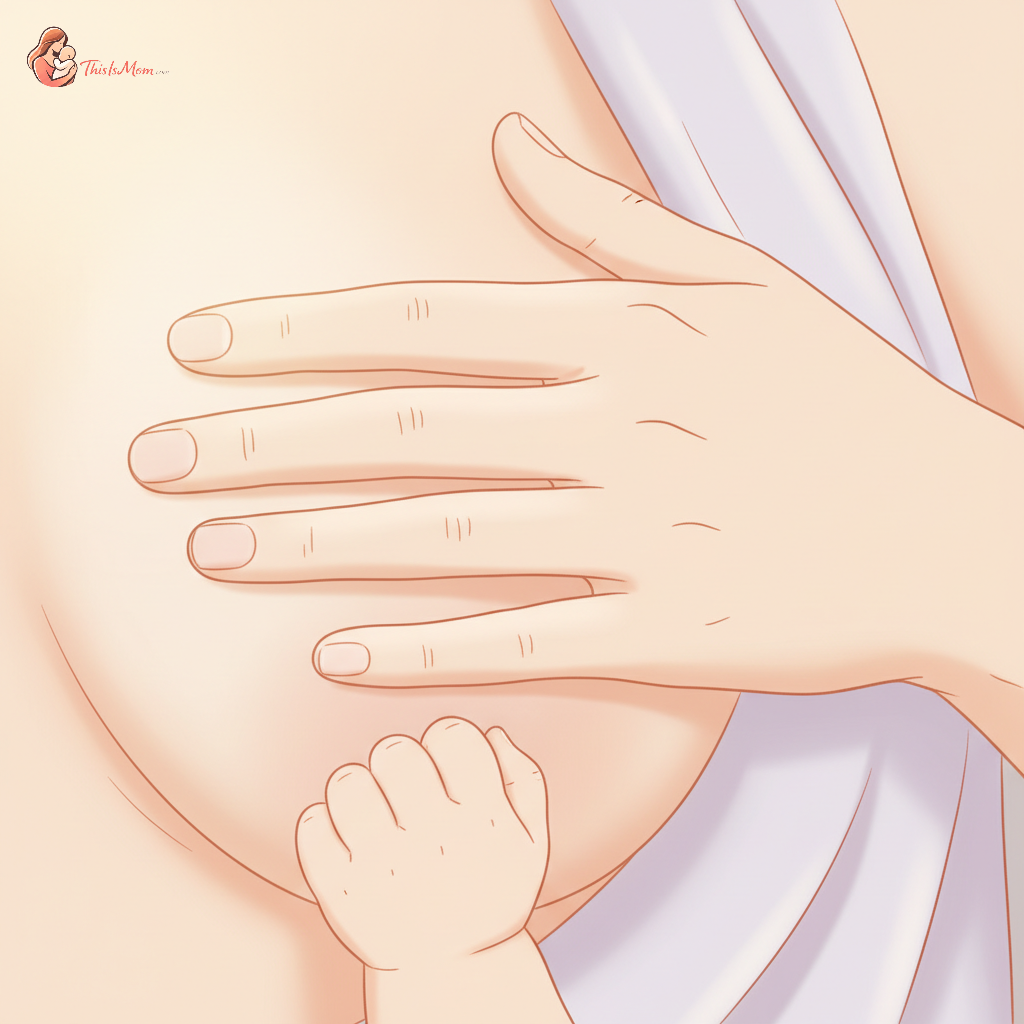
- Massage: Gently but firmly massage the area from the outside of the lump towards your nipple. Use your fingertips or the palm of your hand.
- Drainage: This is crucial. Nurse or pump immediately after massaging.
Optimizing Breastfeeding or Pumping for Clearance
- Nurse frequently: Offer the affected breast first at every feeding. Let the baby drain it as much as possible.
- "Pumping strategy": If you pump, try to pump for a minute or two after your baby finishes, or after pump sessions.
- Positioning: Nurse with your baby’s chin pointing towards the tender spot. The sucking action from that angle can help break up the clog.
- Vary positions: Just like with blebs, try different nursing positions to ensure all milk ducts are being drained.
When to Call the Doctor: Moving Beyond the Clog (Mastitis vs. Clogged Duct)
If your clogged duct doesn't resolve within 24-48 hours, or if you start to feel worse, it's time to think about the next steps.
The main concern is that a clogged duct can progress into mastitis, which is an infection of the breast tissue.
When to Check In with Your Doctor (or Lactation Consultant)
Sometimes, at-home remedies just aren’t enough, and it’s important to know when to seek professional help.
Red Flags: Fever, Spreading Redness, or Worsening Pain
If you develop a fever (typically over 101°F or 38.3°C), if the redness in your breast spreads, or if the pain becomes unbearable and isn't improving, you need to contact your doctor. These are signs that you might be developing mastitis, which often requires antibiotics.
Persistent Issues and Recurrence
Even if you don't have fever, if your clogged ducts keep coming back, it’s worth talking to a doctor or, even better, an International Board Certified Lactation Consultant (IBCLC). They can help identify underlying issues like latch problems, supply concerns, or anatomical challenges contributing to the clogs.
How to Tell the Difference Between a Clogged Milk Duct and Breast Cancer
This is a big fear for many moms, and it’s completely valid. The good news is that most breast lumps discovered during breastfeeding are not cancer. The characteristics are usually different.
- Clogged ducts and mastitis often come on suddenly, are tender, may have redness, and are associated with feeding.
- Breast cancer lumps tend to be painless, harder, and more immobile. They aren't typically associated with fever or the acute inflammation seen with mastitis.
However, never self-diagnose. If you have a lump that concerns you, or if symptoms persist beyond a few days, it is absolutely essential to get it checked by your healthcare provider. They can perform exams, and if necessary, imaging to rule out anything serious. Your peace of mind is worth it.
Navigating breast health while breastfeeding can feel like a minefield sometimes. Remember, you're doing an amazing job. Most blebs and clogged ducts are temporary and treatable. Trust your gut, be gentle with yourself, and don't hesitate to reach out for support. You are not alone in this.