WFH Parents: Navigating Daycare Illnesses & Sick Days
Working from home? Learn practical strategies for navigating daycare illnesses when both parents work from home, including communication, sick day plans, and hygiene tips.
The Germ War: Navigating Daycare Illnesses When Both Parents Work From Home
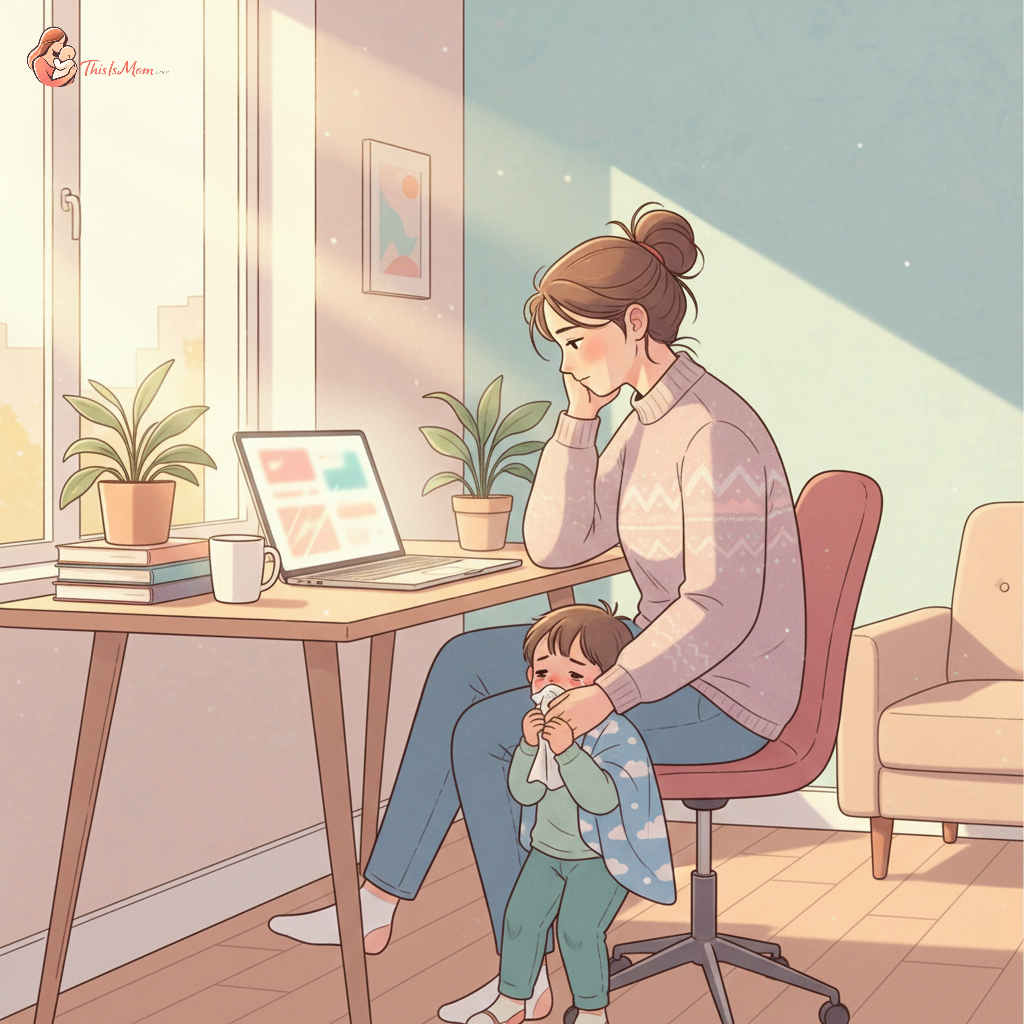
It’s 8:03 a.m., I’m on a video call with my entire leadership team, and my three-year-old has just announced, in a voice that could curdle milk, that her tummy hurts. She’s pale, she’s clingy, and she’s definitely not going to daycare today. The math, as always, doesn’t math. This is the reality for so many of us navigating daycare illnesses when both parents work from home: the seamless integration of professional demands with the chaotic demands of tiny, germ-ridden humans. Let’s be real, the system wasn’t built for this, so we build our own.
The Inevitable Truth: Daycare Germs and You (and Your Coworkers)
Daycare is a petri dish. There's no way around it. It’s a necessary evil for many working parents who need to maintain their careers. The constant stream of colds, ear infections, stomach bugs, and mysterious rashes feels relentless. Your child is building their immune system, which is great in the long run, but in the short term, it means a revolving door of sniffles and fevers.
Common culprits thrive in these environments. Think Hand, Foot, and Mouth disease, strep throat, conjunctivitis (pink eye), and the ever-present rhinovirus. These aren't just minor inconveniences; they’re guaranteed to pull you or your partner out of your productive work hours, often with little notice. This means parents missing work due to sick child scenarios are not an "if," but a "when." The cost isn't just lost work time; it’s the mental anguish of feeling you’re constantly letting down your employer, your team, and yourself.
Proactive Planning: Setting Up Your WFH Illness Strategy
When you work from home, the lines between professional and personal are blurrier than a toddler-drawn picture. This means that when a sick child lands on your doorstep, your work doesn't stop. It transforms. The first line of defense is proactive communication.
Talk to your employer and your team, before the inevitable happens. Let them know your family situation, that you’re working from home, and that daycare illnesses are a recurring factor. Discuss what your company's stance is on taking time off work due to child sickness. Understand the nuances of your company's sick leave policies. Is there a specific number of days? Are there different protocols for personal versus family sick days? Don't assume clarity.
Next, create a 'sick day' work plan. This isn't just for your child. It's a plan for you when your child is sick at home. What tasks can be shifted? What meetings are truly non-negotiable? Who on your team can be an ally? Have a backup plan for your backup plan. Identify a trusted friend or family member who might be able to help in a pinch, even for a few hours. This prep work reduces the panic when you're suddenly trying to manage a feverish child and an urgent work deadline.
On the Go: Managing Sick Kid at Home Work From Home
When the inevitable happens and your child is home, the goal isn't to be a productivity superhero. It’s to manage the situation with grace and minimal career damage. This requires clear communication and collaboration with your partner.
Tag-teaming with your partner effectively is paramount. Divide and conquer. One parent might take the morning shift, handling childcare and lower-priority tasks, while the other takes the afternoon shift for more demanding work. This requires consistent check-ins and flexibility. Don't be afraid to shift your own working hours if possible – tackling emails at 7 p.m. is often better than letting important projects slip.
Discover your baby's phase
Keep a sick child entertained with low-energy activities. Think quiet box activities, favorite books, gentle movies, or audio stories. Cuddles on the couch are both restorative for them and can allow for some focused listening or light task management on your end. When considering screen time, it's important to understand toddler emotional regulation after screen time to minimize potential meltdowns.
The key here is prioritizing tasks and delegating when possible. Identify what absolutely needs your immediate attention and what can wait. Can a colleague cover a minor task? Can a deadline be slightly adjusted? Be transparent. Saying "I'm managing a sick child today and will be less available for complex discussions, but I can handle urgent requests" is often met with understanding.
Protecting Your Household: Minimizing Germ Spread
Working from home with a sick child inevitably means you’re all sharing a space. The risk of catching whatever bug is going around your household is high. The good news is, you can take steps to protect yourselves.
Hygiene hacks for the whole family are your best friend. Frequent handwashing is non-negotiable. Teach your child to cough or sneeze into their elbow. Disinfect surfaces regularly, especially high-touch areas like doorknobs, light switches, and remotes. If possible, try to create separate spaces for sick and well family members, even if it's just a designated corner of the living room.
Keeping your home environment clean doesn't mean deep cleaning every inch. It means focusing on the high-traffic areas and shared items. Wash bedding and PJs frequently. Ensure adequate ventilation by opening windows when weather permits. You’re already managing sick kids; you don’t need to add a secondary illness to the mix.
Building Your Support System: Who Can Help?
No one can or should navigate these constant illnesses in a vacuum. Building and leveraging your support system is vital for both practical assistance and your own emotional well-being.
Lean on your village: family, friends, and trusted sitters. This is not a sign of weakness; it’s smart resource management. Can a grandparent come over for a few hours? Can a friend drop off a meal? Is there a reliable babysitter who is comfortable with sick children? Think of these as pre-arranged safety nets. For instance, having a plan for questions to ask a potential nanny about emergency preparedness plans can provide peace of mind.
Consider backup care options when appropriate. Some families use a "sick child sitter" service, or have a flexible arrangement with another parent who also works from home. This isn't always feasible financially or logistically, but for for some, it can be a lifeline during peak illness seasons.
Finally, the mental load: supporting each other through illness streaks. This is where the partnership truly shines. Acknowledge the exhaustion. Share the emotional burden. When one parent is feeling overwhelmed or burnt out, the other needs to step in and offer support, whether it's taking on more of the childcare, handling household tasks, or simply offering a listening ear. Remember, you're a team, and facing these challenges together makes them so much more manageable.