12 Non-Pharmacological Pain Relief for Labor (Beyond Epidural)
Discover powerful non-pharmacological pain relief methods for labor. Explore movement, massage, breathing, and more to manage discomfort without an epidural.
Navigating Labor Pain: Your Guide to Non-Pharmacological Comfort
It's completely normal to feel curious and even a little overwhelmed by the options for managing pain during labor. You might be wondering about every tool in the toolbox, especially those that don't involve medication, and how they can support you through this powerful experience. You're not alone in seeking out comprehensive non-pharmacological pain relief methods for labor, especially when considering experiences beyond an epidural. Let's explore these empowering choices.
Understanding Your Comfort Toolkit
Why Explore Beyond Medication?
Many birthing parents find significant relief and empowerment in using strategies that work with their body's natural processes. Exploring these methods isn't about rejecting any particular intervention; it's about understanding what feels right for you and your unique labor. Having a repertoire of non-pharmacological techniques can offer flexibility and a deep sense of agency throughout your birth.
What Does "Non-Pharmacological" Truly Mean?
Simply put, non-pharmacological refers to methods that don't involve medications that alter your body's physiology in the way drugs do. Think of it as tapping into your body's innate abilities and using external, supportive techniques. These are labor pain management techniques that focus on your physical comfort, mental focus, and the support of your birth team.
The Power of Movement: Finding Your Labor Dance
Your body is designed to move through labor, and embracing this can be incredibly effective for pain relief. Gravity is your friend, and finding positions that allow you to work with your body's rhythms can make a significant difference.
Walking and Swaying: Gravity's Helpers
Simple acts like walking, rocking, and swaying can work wonders. These movements can help your baby descend into the pelvis and open the pelvic bones, potentially easing pressure and facilitating a smoother labor progression. The rhythmic motion can also be incredibly calming and distracting from intense sensations.
Birth Balls and Peanut Balls: Positions for Progress
These inflatable tools are fantastic for comfort and for changing positions easily.
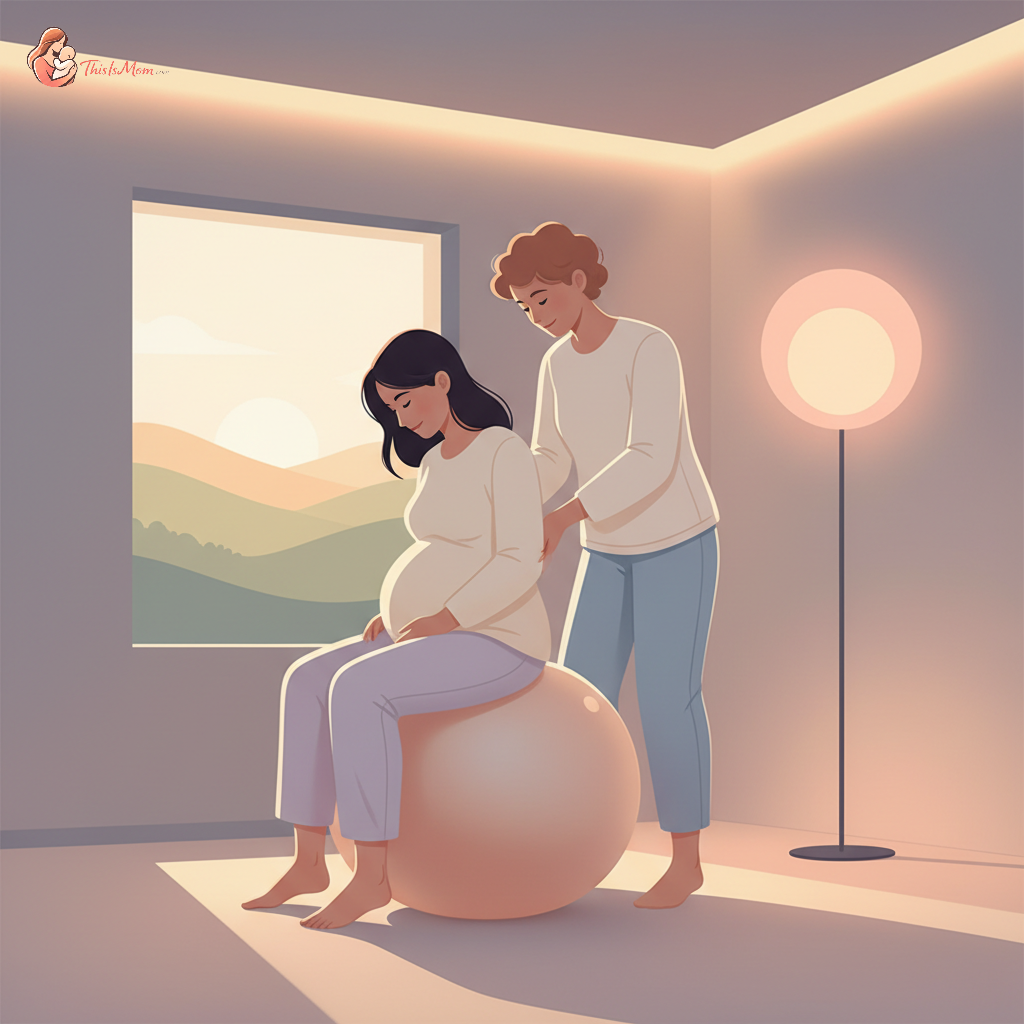
- Birth Balls: Sitting on a birth ball and gently rocking or swaying can relieve back discomfort and encourage baby to move into an optimal position.
- Peanut Balls: These are shaped like a peanut and are designed to be used between the legs while in a semi-reclined or side-lying position. They can help open the pelvis and take pressure off the hips.
Water Immersion: Comfort in the Tub
A warm bath or shower during labor can be incredibly soothing. The buoyancy of the water can feel like a weight has been lifted, easing pressure and promoting relaxation. Many people find that the warmth helps muscles relax and can even lessen the intensity of contractions.
The Mind-Body Connection: Calming the Storm Within
Your mental state plays a huge role in how you perceive and manage pain. Cultivating a calm and focused mind can create a powerful internal environment that supports your body through labor.
Breathing Techniques: Your Labor Mantra
Conscious breathing is perhaps the most accessible and powerful non-pharmacological pain management tool. Different techniques can be used for different stages of labor. Slow, deep breaths can help you relax between contractions, while paced breathing can help you focus and work through stronger surges. Your care provider or a childbirth educator can guide you on specific techniques.
Visualizations and Affirmations: Changing Your Focus
- Visualizations: Imagine your body opening like a blooming flower or a warm wave washing over you. These mental images can help reframe contractions and foster a sense of peace.
- Affirmations: Positive statements like "I am strong," "I can do this," or "Each contraction brings me closer" can combat fear and bolster your confidence.
Music and Aromatherapy: Setting the Mood
Discover your baby's phase
Creating a serene environment can be profoundly supportive. Gentle, familiar music can be soothing and distracting. Certain essential oils, like lavender or clary sage (used with caution and proper dilution, and only if your provider approves), can promote relaxation. These are elements that help establish a calm, grounded atmosphere.
Touch and Pressure: External Aids for Internal Relief
Physical touch and targeted pressure can offer significant relief from the sensations of labor.
Massage and Counterpressure: Targeting the Pain
Gentle massage can be incredibly relaxing. Applying firm counterpressure to the lower back during contractions can be a game-changer for back labor. Your partner or support person can learn these techniques to offer you direct relief.
TENS Unit: Gentle Electrical Stimulation
A Transcutaneous Electrical Nerve Stimulation (TENS) unit involves placing electrodes on your back that deliver mild electrical currents. Research suggests for some individuals, this can help block pain signals and release endorphins, your body's natural pain relievers. It's a great option for early to mid-labor.
Ice Packs and Heat Packs: Temperature Therapy
The simple application of heat or cold can offer comfort.
- Heat: A warm compress on your back, abdomen, or perineum can relax muscles and ease discomfort.
- Cold: An ice pack can be surprisingly effective for numbing discomfort, particularly on the lower back or perineum.
Your Support Team: The Unsung Heroes of Comfort
The people who surround you during labor are vital. Their presence, encouragement, and practical help can amplify the effectiveness of any pain management technique.
The Role of Your Partner or Birth Companion
Your primary support person is key. They can learn massage techniques, offer words of encouragement, remind you to breathe, get you water, and be your advocate. Their calm presence is a powerful anchor.
How a Doula Can Make a Difference
A doula is a trained professional who provides continuous emotional, physical, and informational support to birthing people. They are experienced in various labor pain management techniques and can offer guidance, comfort measures, and unwavering support, often acting as a bridge between you and your medical team. Their presence can lead to a more positive birth experience.
Making Your Choice: Weaving Methods into Your Birth Plan
It’s empowering to think about how you’ll navigate labor. Your birth plan is a communication tool, and discussing your wishes for non-pharmacological pain relief methods for labor is a vital part of it.
Can These Methods Complement an Epidural?
Absolutely! Many parents choose an epidural for significant pain relief but still find benefit in non-pharmacological methods for managing pressure, staying comfortable between doses, or aiding mobility if an epidural allows it. For example, using a peanut ball might still be helpful, or breathing techniques can keep you grounded.
Talking to Your Care Provider About Your Preferences
Open communication with your OB or midwife is essential. Discuss your interest in non-pharmacological comfort measures well before your due date. They can offer insights, explain what’s available at your birth location, and help you understand how these methods fit within the scope of medical care. This conversation ensures everyone is aligned with your desires for your birth experience.
Your journey through labor is uniquely yours. Trust your instincts, explore the options that resonate with you, and remember that you have the strength and wisdom to navigate this. Honor your body, make informed choices, and know that whatever you choose, you are doing it perfectly for you and your baby.