Baby Poop: Gentlease Formula vs. Breastmilk Differences
Understand what's normal for baby poop on Gentlease formula vs. breastmilk. Learn about color, consistency, frequency, and when to call the pediatrician.
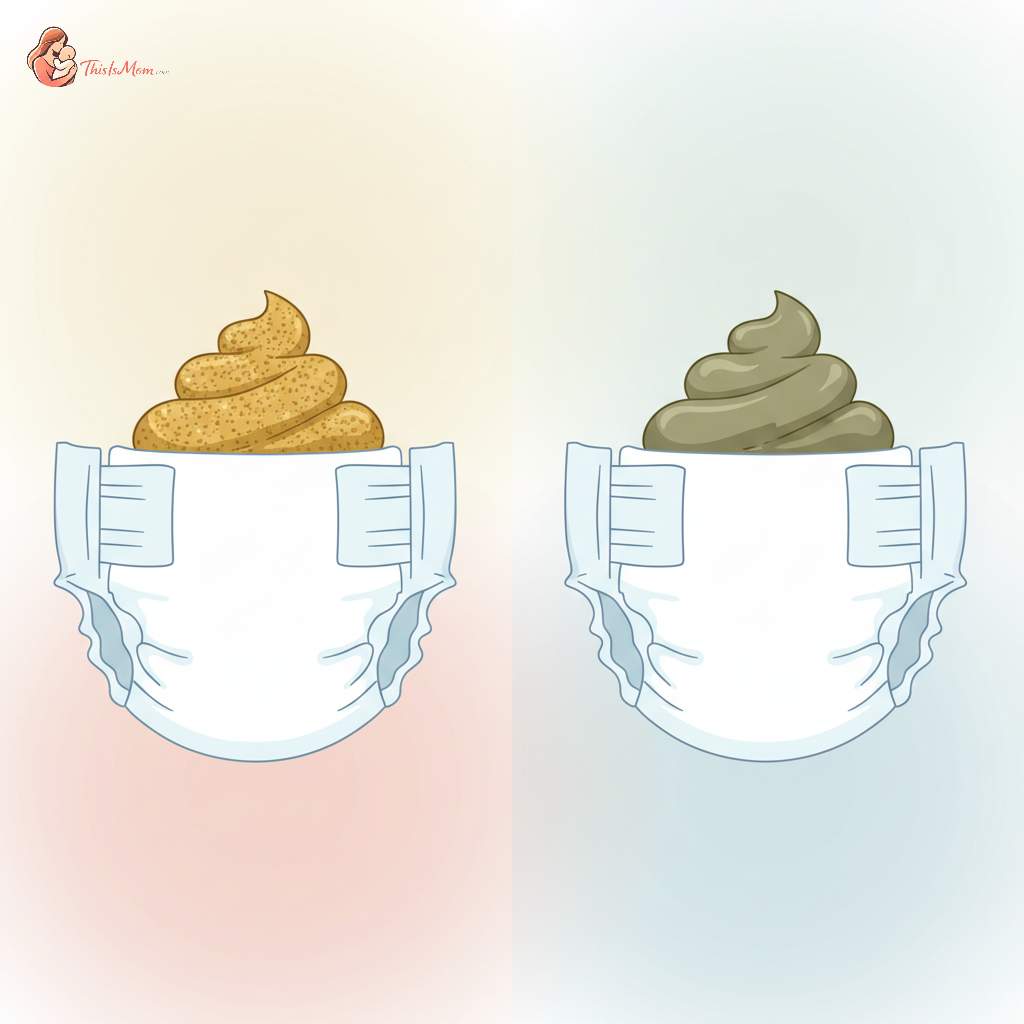
Decoding Your Baby's Diaper: Gentlease Formula vs. Breastmilk Poop
Your baby's first few months are a whirlwind of firsts, and one of the most constant, yet surprisingly varied, is diaper duty. You might be wondering, "What is normal baby poop on Gentlease formula vs. breastmilk?" It’s a common question for parents navigating this new territory. The evidence shows that a baby's stool can tell us a lot about their digestion, and understanding these cues can offer peace of mind.
The Early Days: Meconium and Transitional Stools
In the first few days of life, your newborn will pass meconium. This is a thick, tarry, dark green or black stool made up of everything they ingested in the womb. It's completely normal and a sign that their digestive system is getting started.
Following meconium, your baby will transition to transitional stools, a mix of meconium and milk. These can be greenish-brown and looser. This phase typically lasts for a few days before settling into what is considered "normal" for your baby’s feeding method.
The American Academy of Pediatrics (AAP) emphasizes that while there's a wide range of what's considered normal, there are also clear signs that warrant a call to your pediatrician. Understanding these baseline patterns is the first step.
Breastmilk Baby Poop: The Golden Standard
For many, breastmilk is considered the "gold standard" for infant feeding, and a breastfed baby's poop often reflects this. Research suggests it's highly digestible and packed with nutrients perfectly tailored for your baby.
Color: Mustard Yellow and Beyond
The classic breastfed baby poop color is a vibrant, mustard yellow. This can range from a bright yellow to a more golden hue. It may also appear lighter or more pale yellow at times.
Consistency: Seedy and Runny
When it comes to consistency, breastfed baby poop is typically loose and watery. It often has a seedy or curd-like appearance, similar to cottage cheese. This can vary greatly from one feeding to the next. Don't be surprised if it looks almost like diarrhea – in most cases, this is perfectly normal for breastfed infants.
Frequency: Why It Varies So Much
Frequency can differ dramatically among breastfed babies. Some may have a bowel movement after every feeding, while others might go once a day, or even every few days. The AAP notes that for exclusively breastfed babies, going up to 5-7 days without a stool is generally considered normal, as long as the stools are soft and passed without difficulty.
What to Watch For
While variations are common, certain indicators might suggest a problem. If your breastfed baby's poop is consistently rock-hard, or if you see streaks of bright red blood, consult your pediatrician. Also, any very dark, tarry stools after the meconium phase, or chalky white stools, should be discussed with your doctor.
Gentlease Formula Poop: A Different Digestive Journey
Enfamil Gentlease formula is designed to be easier to digest than standard cow's milk-based formulas, often due to partially hydrolyzed proteins. This can lead to some differences in your baby's stool compared to a breastfed baby.
Gentlease Formula Basics: What Makes It Unique?
Gentlease formula contains proteins that have been broken down (hydrolyzed), making them easier for a baby's developing digestive system to process. This can sometimes lead to fewer gas and fussiness issues for some babies. The formula also contains a blend of carbohydrates, including lactose.
Color: Shades of Green and Brown
For babies on Gentlease formula, you'll likely see a wider range of colors, often shades of green and brown. This can be a significant difference from the typical mustard yellow of breastfed stools. The green color is often due to how the formula's iron content is processed and excreted.
Discover your baby's phase
Consistency: From Paste to Firmer Stools
The consistency of Gentlease formula poop can vary more than breastfed poop. It might range from a paste-like consistency to something a bit firmer, though generally still soft. It's unlikely to be as watery or seedy as breastfed stools.
Frequency: Often Less Frequent
Research suggests that formula-fed babies, in general, tend to have bowel movements less frequently than breastfed babies. For those on Gentlease, you might observe your baby going once a day or every few days. As long as the stools are soft and easy to pass, this is typically within the normal range.
What to Watch For
When using any formula, it’s important to monitor for specific signs. If your baby’s poop becomes consistently hard, pellet-like, or if they seem to be straining significantly, this could indicate constipation. Also, persistent, watery green stools or any signs of blood should prompt a conversation with your pediatrician.
Key Differences: Breastmilk vs. Gentlease Poop at a Glance
Understanding the distinctions can help you feel more confident about what you're seeing in the diaper.
A Side-by-Side Comparison Chart
| Characteristic | Breastmilk Poop | Gentlease Formula Poop |
|---|---|---|
| Color | Mustard yellow to pale yellow | Shades of green and brown |
| Consistency | Loose, watery, seedy, curd-like | Pastier, sometimes firmer, less watery |
| Frequency | Varies widely, can be multiple times a day or every few days | Often less frequent, typically once a day or every few days |
| Odor | Mild, slightly sweet | Stronger, more pungent |
Digestive Impact: Why Formula and Breastmilk Differ
The fundamental difference lies in the composition of breastmilk and formula. Breastmilk contains enzymes and antibodies that aid digestion in a way that formulas, even specialized ones like Gentlease, cannot fully replicate. The partially hydrolyzed proteins in Gentlease are easier to break down than intact cow's milk proteins, but the overall digestive process and the byproducts can still lead to different stool characteristics.
When to Call the Pediatrician
While a wide spectrum of what appears in the diaper is normal, knowing when to seek professional advice is crucial. Always trust your parental intuition; if something feels off, it’s worth discussing.
Red Flags: Blood, Mucus, or Stark Color Changes
The Centers for Disease Control and Prevention (CDC) and the AAP both highlight certain signs as red flags. These include:
- Blood in the stool: Small streaks of red blood might be from a minor tear due to constipation, but larger amounts or continuous bleeding, as well as black, tarry stools (which indicate digested blood), require medical attention.
- Excessive mucus: While small amounts of mucus can be normal, large amounts, especially if accompanied by diarrhea or other symptoms, should be evaluated.
- Stark color changes: Persistent white, gray, or chalky stools can indicate a problem with bile flow and should be reported to your pediatrician immediately.
Signs of Discomfort or Distress
Beyond the visual appearance of the stool, pay attention to your baby's overall well-being. Signs of distress include:
- Severe fussiness or crying that doesn't stop.
- Lethargy or unresponsiveness.
- Vomiting (especially forceful or green/bloody vomit).
- Fever.
- Poor feeding or refusal to eat.
- Signs of dehydration (e.g., fewer wet diapers than usual, sunken eyes, dry mouth).
Trusting Your Instincts as a Parent
As a parent, you are the expert on your child. You see them every day and are most attuned to their subtle cues. If you have a persistent feeling that something isn't right with your baby's digestion or overall health, even if their symptoms don't fit a textbook description of a problem, it is always best to reach out to your pediatrician. They can assess your baby’s specific situation and provide personalized guidance.