Overtired vs Undertired Baby Signs: Nap Solutions Guide
Unsure if your baby is overtired or undertired before naptime? Learn the key signs, differences, and practical tips to help your little one get restful sleep and avoid nap struggles.
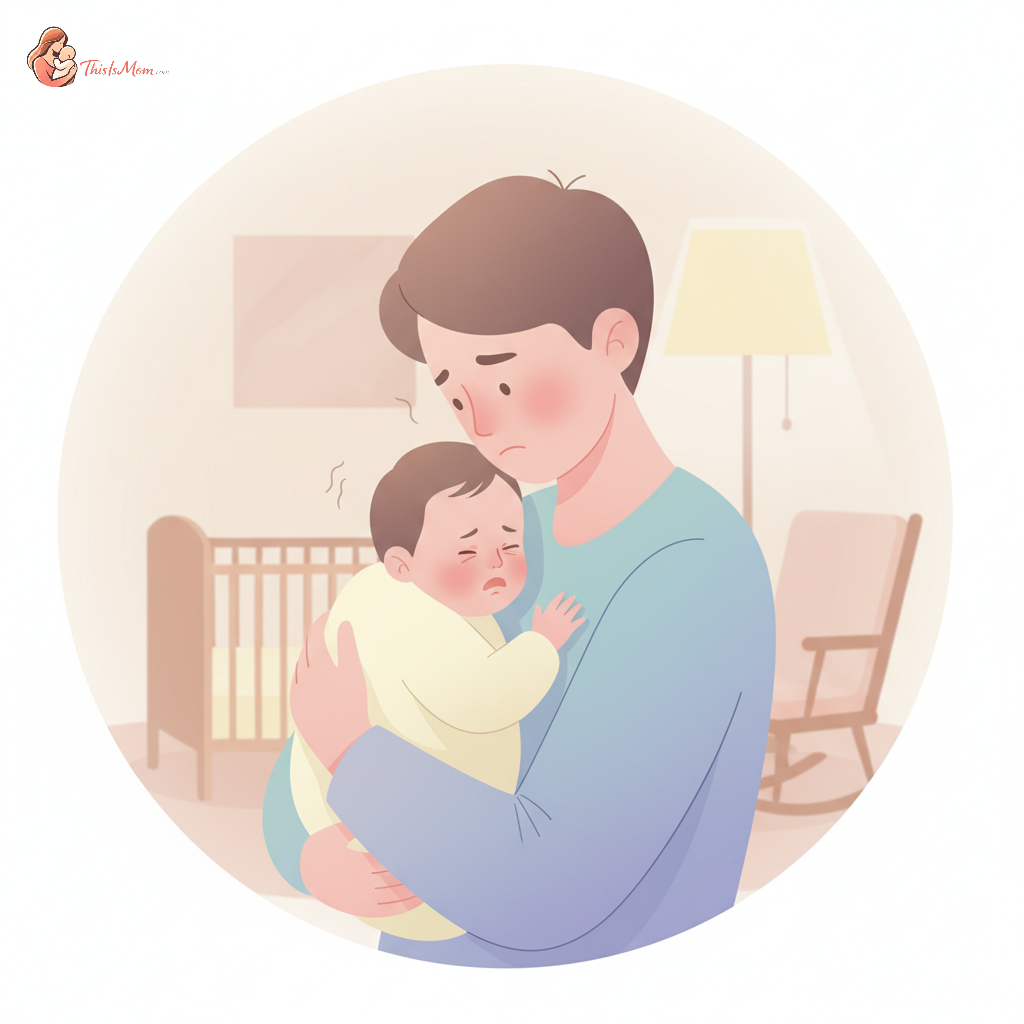
Over-Tired vs. Under-Tired Baby: Nap Signs & Solutions Guide
Your baby is fighting sleep again, and you're wondering if they're just not tired enough, or if you've missed the window and they've tipped into overtired territory. It's a common frustration for parents, as the difference between an overtired baby and an undertired baby can seem like a fine line. Understanding these subtle cues is key to helping your little one settle down for a restful nap. According to the American Academy of Pediatrics (AAP), understanding your baby's sleep needs is fundamental to their development and well-being, and recognizing the signs of over-tiredness versus under-tiredness before naptime can make a significant difference.
The Delicate Balance of Baby Sleep
Baby sleep is a finely tuned system. When babies are overtired, their bodies release stress hormones like cortisol, which can make it even harder to fall asleep and stay asleep. This is often counterintuitive to parents, who assume a tired baby will simply "crash." This can also be exacerbated by frequent daycare illnesses, where a sick baby might have even more trouble settling. [managing-recurring-daycare-illness-infant-first-year]
Conversely, an undertired baby might resist sleep simply because they haven't accumulated enough sleep pressure, the biological drive to sleep. They might seem restless or fussy, but it's a different kind of fussiness than that of an overtired infant.
Missing the optimal nap window can cascade. An overtired baby often struggles through their nap, taking shorter naps or waking frequently. This can then lead to an even more overtired baby by bedtime, creating a challenging cycle. The goal is to [how-to-encourage-baby-to-nap-longer-than-30-minutes](encourage your baby to nap longer than 30 minutes) to ensure they get restorative rest.
Spotting the Signs of an Overtired Baby Before Naptime
The signs of an overtired baby are often more dramatic. You might notice a sudden increase in fussiness that isn't easily soothed. They may become more clingy, irritable, and resistant to interaction.
Common overtired behaviors can include:
- Arching their back
- Thrashing their legs
- Crying inconsolably
- Rubbing their eyes or ears vigorously
- Yawning frequently (sometimes a late sign)
- Becoming hyperactive or frantic
Physical cues are also telling. Beyond eye-rubbing, an overtired baby might have a flushed face or dark circles under their eyes. They might also flinch easily to stimuli and seem generally overwhelmed. The CDC notes that consistent sleep schedules are vital for a child's development and can help prevent overtiredness.
How long does it take for a baby to become overtired? This varies by age and individual temperament, but generally, babies can become overtired if they have been awake for longer than their developmentally appropriate wake window. For example, a 4-month-old might become overtired after 1.5 hours of awake time, while a 9-month-old might be okay for 2.5 to 3 hours. Learning to recognize these signs is crucial, especially when transitioning from a swaddle, as a baby who is not ready can become overtired quickly. [newborn-swaddle-to-arms-out-transition-guide]
Identifying an Undertired Baby: When They're Just Not Ready Yet
An undertired baby often presents differently than their overtired counterpart. Instead of frantic fussiness, they might be more playful, curious, or distractible when it's time for a nap. They may resist sleep by wanting to play, look around, or engage with their caregivers.
The key difference lies in the nature of their resistance. An undertired baby isn't necessarily unhappy or distressed; they simply haven't built up enough "sleep pressure" to feel the need to sleep. They might be fighting sleep actively, pushing away from you, or trying to climb out of the crib, rather than the desperate crying of an overtired infant.
Discover your baby's phase
For an undertired vs. overtired newborn, the cues can be even subtler, as newborns sleep a lot. An undertired newborn might still be relatively alert and wiggly during their awake periods, whereas an overtired newborn will typically be inconsolable and difficult to settle, even with feeding or rocking. Generally, newborns have very short wake windows, so overtiredness can set in quickly if they are kept awake too long.
The Nap Mystery: Do Short Naps Mean Overtired or Undertired?
Short naps are a puzzle many parents grapple with. It's not always a clear indicator of whether a baby is overtired or undertired.
When an overtired baby takes short naps, it's because their system is too "wired" to relax into a long sleep. They might fall asleep quickly but wake after only 20-30 minutes, still tired but unable to resettle. This is their body's way of signaling that they couldn't achieve the deeper sleep stages needed for restorative rest.
On the other hand, when an undertired baby wakes too soon, it’s often because they simply weren't sleepy enough in the first place to extend beyond a brief sleep cycle. They might wake up refreshed and ready to play after a short nap, indicating they got what they needed, or perhaps got too much daytime sleep relative to their nighttime sleep needs. This is why exploring [gentle-sleep-training-methods-anxious-parents](gentle sleep training methods) can be beneficial for establishing longer, more predictable naps.
Practical Tips for Nailing the Nap Window Every Time
Mastering the nap routine involves observation and consistency. Research suggests that predictable sleep environments and routines are beneficial for babies.
A good rule of thumb is to observe your baby's wake windows. These are the periods of time your baby can comfortably stay awake between sleep periods. The AAP provides general guidelines for these windows, which can be found on their website. For instance, newborns typically have wake windows of 45-60 minutes, while older babies might have wake windows of 2-4 hours.
Here’s how to improve your nap game:
- Observe Wake Windows: Note how long your baby is typically awake and happy before showing sleepy cues.
- Create a Calming Pre-Nap Routine: A consistent, short routine (e.g., dimming lights, reading a book, singing a lullaby) signals to your baby that sleep is coming.
- Watch for Sleepy Cues: Look for subtle signs like staring into space, fussiness, or slightly slower movements before they become overtired.
- Be Flexible: Some days are different. If your baby seems undertired, a brief period of quiet play might be better than forcing a nap.
If you are struggling with how to break the cycle of an overtired baby, focus first on establishing a consistent bedtime and ensuring adequate nighttime sleep. This can help reduce overtiredness during the day. Prioritizing your baby’s sleep hygiene throughout the day can prevent the overtired state before it begins.
When to Talk to Your Pediatrician About Persistent Sleep Struggles
While understanding overtired vs. undertired cues is helpful, some babies have persistent sleep difficulties. If you find yourself consistently struggling with naps, or if your baby’s sleep issues are impacting their feeding, mood, or overall development, it’s always a good idea to reach out to your pediatrician.
They can rule out any underlying medical issues that might be affecting sleep and offer personalized strategies based on your baby's specific needs and age. The Mayo Clinic also offers resources on infant sleep, emphasizing the importance of professional guidance when needed. For example, if you are concerned about if your baby is getting enough nutrients, your pediatrician can advise on whether [vitamin-d-drops-breastfed-babies](Vitamin D drops) are recommended.
For those moments when you're wondering if the fussing means naptime or playtime, remember that you are your baby's best observer. Tuning into their cues, respecting their developmental stage, and seeking support when needed are all part of navigating the ever-evolving world of baby sleep.