How Much Passive Screen Time is Okay for 18-Month-Olds?
Understand AAP guidelines on passive screen time for 18-month-olds. Learn its effects on development and how to build healthier screen habits for your toddler.
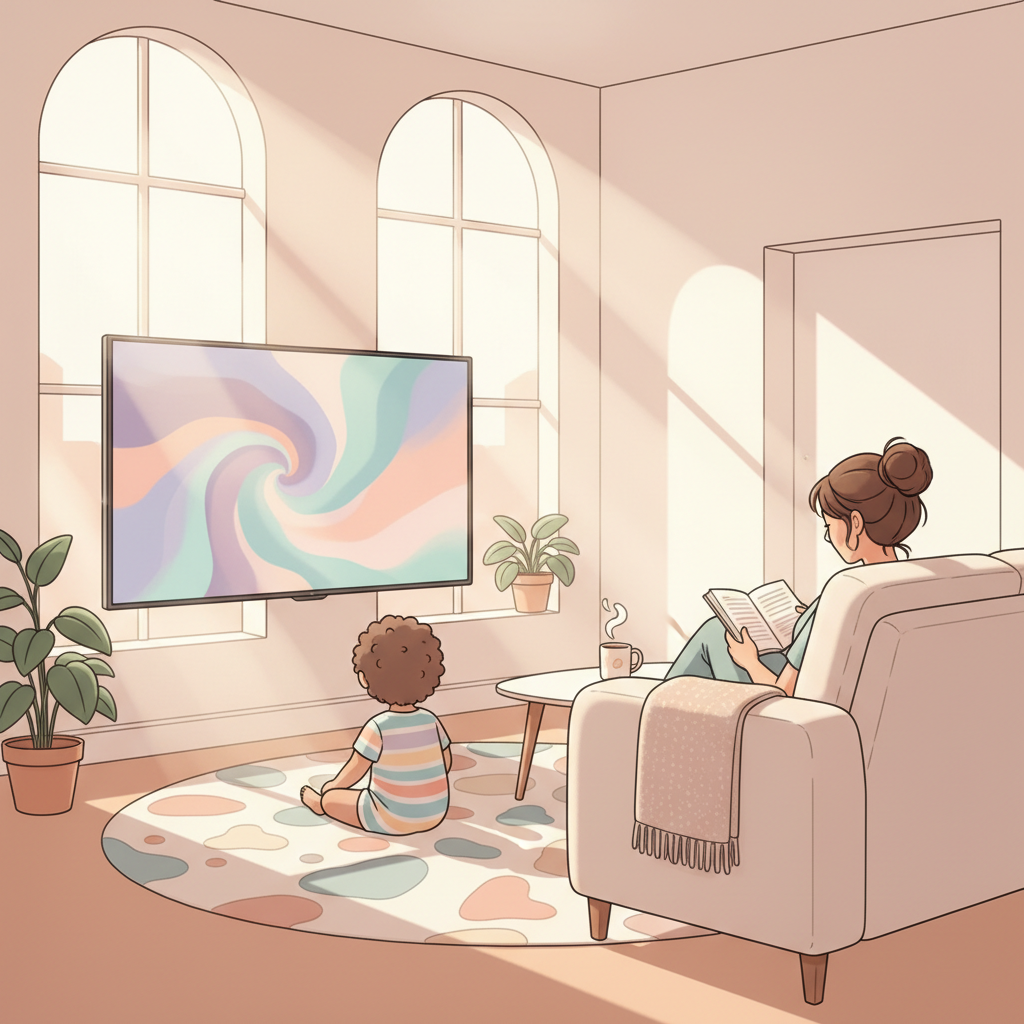
- For children 18-24 months of age, the AAP suggests that if parents choose to introduce digital media, they should do so co-viewing with their children. This means watching together, discussing what they see, and helping their child understand what they are experiencing. For older children aged 2-5 years, the AAP recommends limiting screen use to 1 hour per day of high-quality programming.
The Impact of Screens on Toddlers
Research suggests that passive screen time, even when a child isn't directly focused on the screen, can have subtle effects on various aspects of development. One significant area is language acquisition. While it might seem like background TV could offer exposure to words, the evidence indicates otherwise. Language development is best fostered through reciprocal interactions – back-and-forth conversations, rhymes, and songs with a responsive caregiver. A television show, even an educational one, doesn't offer this dynamic exchange. If your toddler is struggling to communicate verbally, learning how to encourage them to point instead of grunting can be a helpful step.
Potential impacts on attention spans are also a concern. Rapidly changing images and sounds common in many media can condition a young brain to expect high levels of stimulation. This might make it more challenging for children to focus on less stimulating, real-world activities or engage with slower-paced learning. If you notice your toddler seems overstimulated by educational screen apps, implementing calming strategies is important.
Furthermore, screen time, particularly close to bedtime, can interfere with sleep patterns. The blue light emitted from screens can suppress melatonin, a hormone that helps regulate sleep. For toddlers and preschoolers, maintaining healthy sleep habits is vital for their overall well-being, mood regulation, and cognitive function. If your baby is struggling with early wake-ups, consider gentle strategies for encouraging baby to sleep past 5 AM without resorting to cry-it-out methods. Similarly, if your baby only naps for short periods, learn how to lengthen nap times.
Building Healthier Screen Habits Together
Navigating screen time recommendations for toddlers can feel overwhelming, but creating healthier habits is achievable without introducing undue guilt. A simple practice is minimizing background screen noise. You might also find it helpful to discover healthy toddler snack ideas for daycare to ensure they have nutritious options when not engaged with screens.
Discover your baby's phase
Establishing screen-free zones and times can also be effective:
- Designate certain areas of the home, like bedrooms, as screen-free.
- Set specific times, such as during meals or an hour before bed, as screen-free.
- Make mealtimes a family conversation, rather than a TV-watching opportunity. If screen time ends abruptly, you may need strategies for when your toddler is hitting after screen time.
Perhaps most importantly, parents can model healthy screen habits themselves. Children learn by observing. Consciously limiting your own screen use, especially when you are with your child, sends a clear message about priorities.
When to Seek Professional Guidance
While the guidelines offer a framework, every child and family is unique. If you have concerns about how screen time might be impacting your 18-month-old or any child, it’s always a good idea to discuss it with your pediatrician.
Signs that warrant a conversation with your doctor might include:
- Significant delays in language development
- Persistent sleep disturbances
- Difficulty with attention or focus in play
- A notable preference for screen-based activities over interactive play
Your pediatrician can provide personalized insights and help you interpret the AAP screen time recommendations for your child. Navigating the world of screens with young children is an ongoing process. By understanding the nuances of passive screen time, adhering to expert guidelines, and focusing on quality interactions, you can foster a balanced approach that supports your child's healthy growth and development. Remember that consistency and mindful choices are key. The journey of parenting is one of continuous learning and adaptation, and seeking support when needed is a sign of strength.