Pelvic Floor Exercises for Urge Incontinence When Laughing
Discover effective pelvic floor exercises and lifestyle tips to prevent urine leaks from urge incontinence when you laugh. You're not alone, mama!
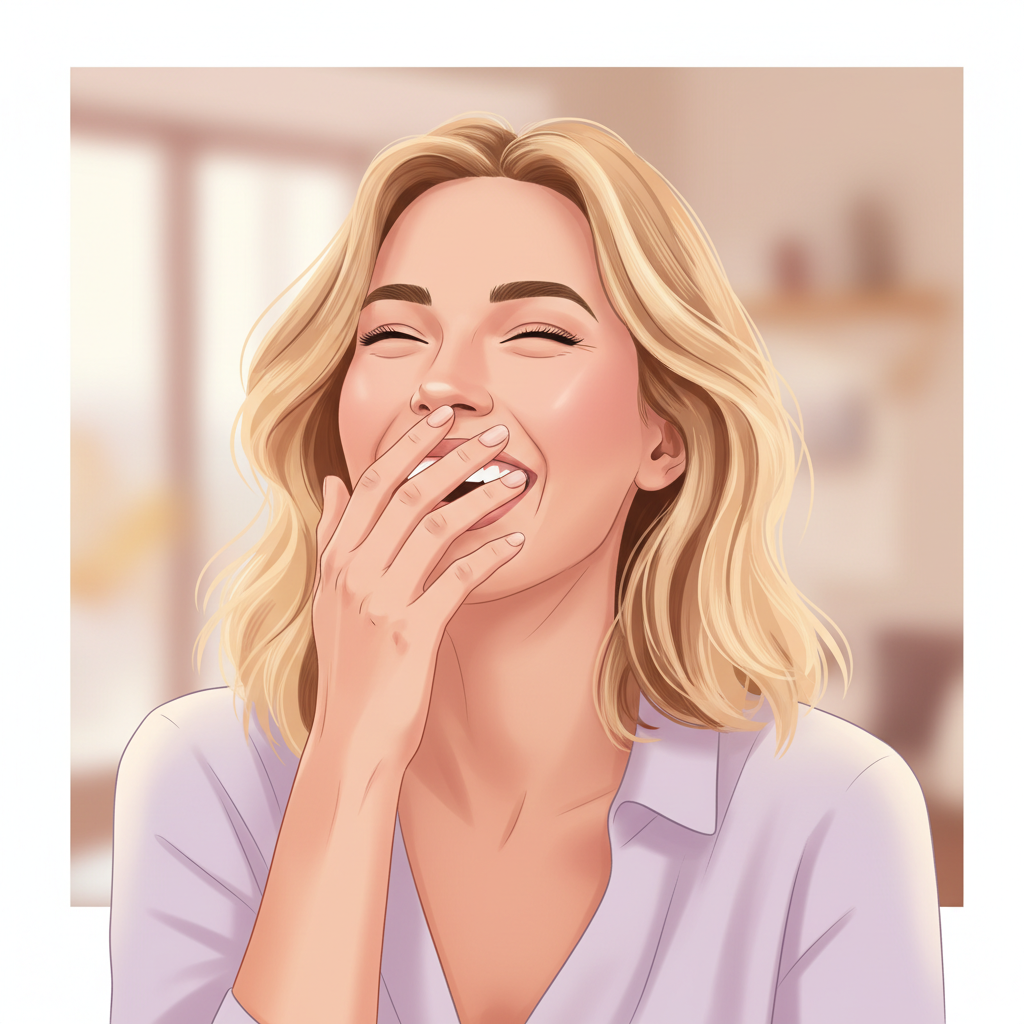
Laughing So Hard You Pee? You're Not Alone, Mama.
It was the first time I’d laughed that hard since Noah was born. My best friend was telling me a ridiculous story, and I just lost it. Tears streaming down my face, stomach muscles aching, and then… a little trickle. A warm, embarrassing trickle. My first thought? Oh, you’ve got to be kidding me.
My phone, predictably, was still in my back pocket, showing me an article I’d saved ages ago about postpartum pelvic floor issues. Real talk, I’d skimmed it. I figured I was too young, too healthy, to actually have that problem. I was SO wrong.
If you’re a new mom, or a mom of any age really, and you’ve experienced a little leak when you laugh, cough, sneeze, or do anything that makes your belly jiggle, please know this: you are not alone. This is incredibly common, and it’s not your fault. Our bodies do incredible things, and sometimes those things come with… quirks. This article is all about tackling those leaks, specifically when laughter strikes.
When Giggles Go Rogue: Understanding Leaks
Seriously though, why does this happen? After pregnancy and childbirth, it’s pretty common to experience some changes in bladder control. You might notice leaks when you suddenly increase pressure on your abdomen – like when you laugh until you cry, or when you try to jump on a trampoline.
There are a couple of main players when we talk about urinary incontinence:
- Stress Incontinence: Leaks from physical activity or pressure (like laughing, coughing, sneezing).
- Urge Incontinence: A sudden, strong urge to pee that you can't ignore.
Sometimes, these two can overlap, making things extra confusing. For example, the urge to go might be triggered by a sudden jolt of laughter. Understanding which type you’re leaning towards can help us figure out the best exercises. Many moms, like me, experience leaks during activities that involve a sudden burst of pressure, which often points to stress incontinence. But that sudden urge triggered by something funny? That can feel like urge incontinence, even if it’s happening during a laugh. The good news is that many of the exercises to strengthen your pelvic floor can help with both.
Building Strength from the Inside Out: Your Pelvic Floor Foundation
Okay, so we know it’s common. Now, what do we do about it? The answer, for many of us, lies in our pelvic floor. These are the muscles that run from your pubic bone to your tailbone, supporting your bladder, uterus, and bowels. When these muscles are weakened, things can get a little… leaky.
Finding Your Hidden Helpers: The "Elevator" Lift
The first step is just finding these muscles. It can be tricky at first, especially if you’re not sure what you’re feeling for. The most common way to describe it is like trying to stop your flow of urine midstream. Don't actually do this regularly (it can interfere with bladder emptying), but just for a second, try to feel those muscles clench to stop it. That’s your pelvic floor!
Another great way to find them is the "elevator" lift. Imagine your pelvic floor is an elevator.
- First floor: This is your relaxed state. No squeezing, just breathe normally.
- Second floor: Gently lift your pelvic floor muscles inward and upward. You should feel a subtle squeeze, but you should still be able to breathe comfortably. This isn't a huge, clenching effort.
- Top floor: This is your maximum contraction, held for a second or two.
The key here is to focus on the lift and squeeze upwards and inwards. You don't want to squeeze your glutes, thighs, or abs too tightly. In fact, try to keep those muscles as relaxed as possible.
What NOT To Do: Common Pitfalls
It's easy to get this wrong at first. Here are some common mistakes to watch out for:
- Holding your breath: This can actually increase pressure and make things worse. Always remember to breathe!
- Squeezing the wrong muscles: Over-engaging your abs, glutes, or thighs means you're probably not targeting your pelvic floor effectively.
- Overdoing it: Starting with too many too soon can lead to fatigue and frustration. Consistency over intensity is the goal.
- Doing it while peeing: As I mentioned, only use this to find the muscles, not as a regular exercise.
Can Pelvic Floor Exercises Really Help Urge Incontinence?
Yes, absolutely! While we often associate pelvic floor exercises (like Kegels) with stress incontinence, they can also be incredibly beneficial for urge incontinence and improving overall bladder control. By strengthening these muscles, you can gain better control over the bladder sphincters. This means you can potentially hold the urge for longer and prevent sudden leaks triggered by laughter or other sudden pressures. It's about retraining your body to have better muscular command.
Your Go-To Moves for a Laugh-Proof Bladder
Alright, you’ve found your muscles. Now let’s put them to work! These simple exercises can become your secret weapon against those embarrassing leaks.
The "Quick Flick" for Sudden Urges
This is your emergency button. When you feel that laugh coming on and you know it might be trouble, or if you feel a sudden urge, do a few quick, strong contractions.
- Contract: Quickly squeeze your pelvic floor muscles inwards and upwards.
- Relax: Immediately release the contraction.
- Repeat this for 5-10 quick flicks.
Discover your baby's phase
This rapid contraction helps to consciously tighten those muscles right when you need them, giving your urethra extra support to prevent leaks. Practice this several times a day, even when you don't feel an urge, to build muscle memory.
Sustained Holds for Endurance
These are your workhorses for building overall pelvic floor strength and endurance. These help you better manage those longer laughs or situations where you have to hold it a bit longer.
- Contract: Gently lift and squeeze your pelvic floor muscles upwards and inwards, as you learned with the elevator.
- Hold: Hold this contraction for 5-10 seconds. Focus on breathing steadily throughout.
- Relax: Completely relax your muscles for the same amount of time you held the contraction (e.g., if you held for 5 seconds, relax for 5 seconds).
- Repeat this 10-15 times.
Aim to do a set of these sustained holds a few times a day. As you get stronger, you can gradually increase the hold time and the number of repetitions.
Making it Part of Your Day
The truth is, the best pelvic floor exercises are the ones you actually do. So, let's integrate them!
- During your morning coffee: Do a set of sustained holds while you sip.
- While waiting for your baby to fall asleep in the carrier: Gentle contractions here and there.
- When you’re stuck in traffic: A few quick flicks.
- Every time you go to the bathroom: Do a quick contraction before you start and after you finish.
The goal is to create a natural rhythm, where these movements become almost automatic. It might feel silly at first, but consistency is what builds strength.
Beyond the Squeeze: Lifestyle Tweaks for a Happier Bladder
Pelvic floor exercises are fantastic, but they work best when paired with other smart habits. Think of it as a whole-body approach to bladder confidence.
Bladder Training Basics: Your Brain and Your Bladder
Bladder training is essentially about 'retraining' your bladder to hold urine for longer periods and reducing the frequency of urges. It sounds like it could be part of urge incontinence management directly.
- Keep a bladder diary: For a few days, note down when you drink, when you pee, and any leaks. This helps identify patterns.
- Schedule bathroom breaks: Start by going to the bathroom at set intervals, even if you don't feel an urge (e.g., every hour).
- Delay urges: When you feel an urge, try to wait 5-10 minutes using relaxation techniques or a few pelvic floor contractions before going. Gradually increase this delay over time.
This process helps your brain and bladder communicate better, reducing those sudden, overwhelming urges.
What You Drink (and Eat) Matters
Certain foods and drinks can irritate the bladder and make incontinence symptoms worse. For some women, this includes:
- Caffeine (coffee, tea, soda)
- Alcohol
- Spicy foods
- Carbonated beverages
- Artificial sweeteners
While you don’t have to eliminate everything, paying attention to how your body reacts can be super helpful. Staying well-hydrated with plain water is crucial, as dehydration can actually concentrate urine, which can lead to more irritation.
When to Seek a Pro: Pelvic Floor Physical Therapy
Look, I know self-help is great, and I truly believe you can make a significant difference with these exercises. But sometimes, you need a little extra support. If you’ve been doing these exercises consistently for a few months and aren’t seeing improvement, or if you’re experiencing pain, it might be time to see a specialist.
Pelvic floor physical therapists are trained to assess your specific pelvic floor muscles, identify any dysfunction, and create a personalized plan for you. They can also help rule out any other underlying issues. Often, they can offer manual therapy techniques or biofeedback to help you better connect with and strengthen your muscles. It’s not a sign of failure; it’s a sign that you’re proactive about your health. Pelvic floor physical therapy can be instrumental in recovery.
Weaving It Into Your Life: Making Consistency Your Superpower
The most important thing about pelvic floor exercises is making them a regular habit. I know, "habit" feels like a dirty word when you’re a new parent. But think of it as self-care, woven into the fabric of your day.
- Set small, achievable goals: Don't aim to do a million reps perfectly from day one. Maybe your goal is just to do one set of sustained holds every morning for a week. Celebrate that win!
- Don't beat yourself up: Some days will be harder than others. You’ll forget. You’ll be too tired. That’s okay! Just get back to it the next day. Any progress, no matter how small, is still progress.
- Celebrate every little win: Did you laugh without a leak? YES! Did you hold an urge for an extra minute? AMAZING! Acknowledge these victories. They are proof that you are doing the work and your body is responding.