Pelvic Floor Exercises for Postpartum Tailbone Pain Relief
Discover gentle pelvic floor therapy exercises and daily habits to relieve postpartum tailbone pain (coccydynia). Learn effective stretches, breathing techniques, and when to seek professional help from a PT for comfort and healing.
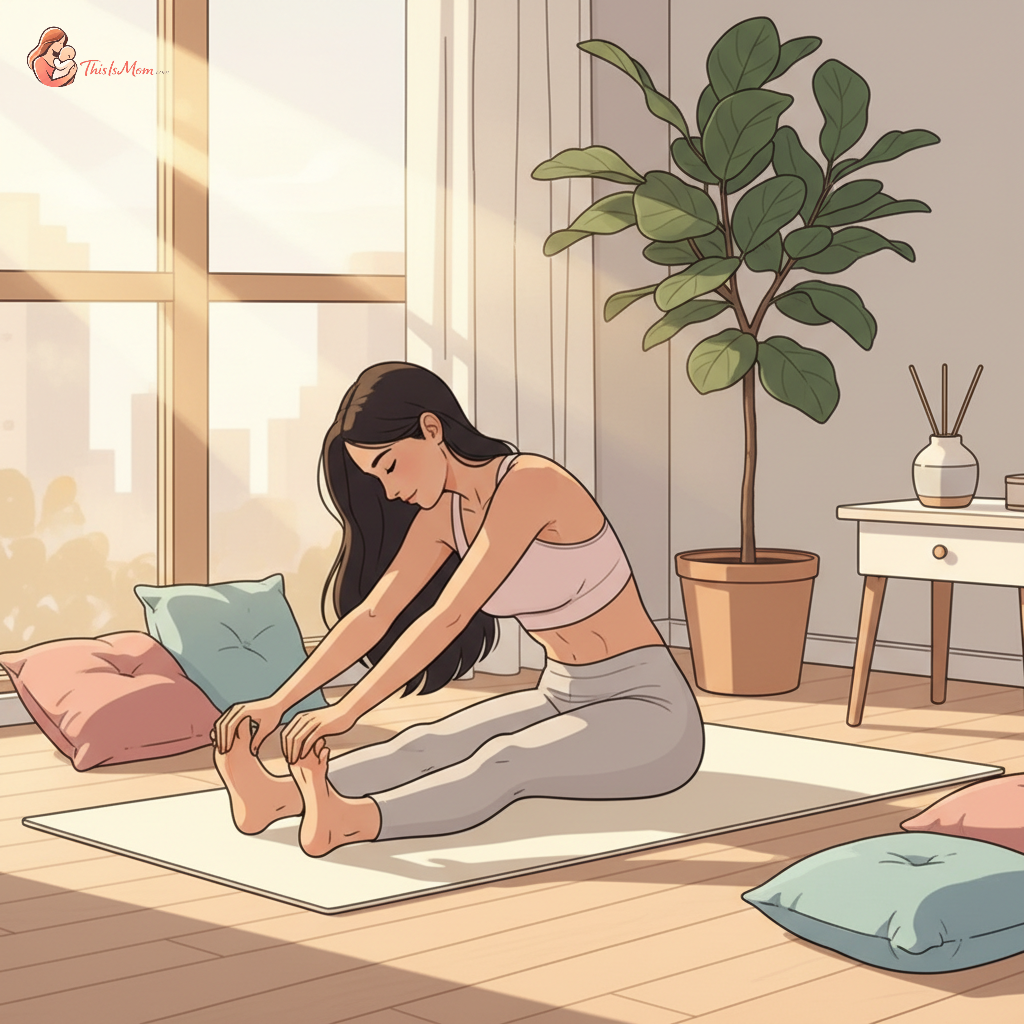
Finding Comfort: Pelvic Floor Therapy Exercises for Postpartum Tailbone Pain
It's completely normal to wonder about persistent tailbone pain after bringing your baby earthside. You've done something incredible, and now your body is navigating a whole new landscape. If you're experiencing coccydynia postpartum, know that you're not alone, and there are gentle, empowering ways to find relief right at home. Many new mothers find that addressing their pelvic floor is key to unlocking comfort, and this guide will walk you through how to approach it.
Why Does My Tailbone Hurt After Birth?
Postpartum tailbone pain, or coccydynia, can stem from a few common culprits. During a vaginal birth, the coccyx (tailbone) can be bruised, impacted, or even dislocated as your baby navigates the birth canal. Even with a C-section, the strain of pregnancy, labor positioning, and the physical toll of surgery can contribute to discomfort in this area.
The pelvic floor, a group of muscles that support your pelvic organs, plays a surprising role. These muscles attach to your pelvic bones, including your tailbone. If the pelvic floor is tight, weak, or imbalanced from pregnancy and birth, it can pull on the coccyx, exacerbating pain. It’s a complex interplay, and learning to work with your pelvic floor can be incredibly effective for postpartum tailbone pain relief.
While many mothers find relief with at-home strategies, it's always wise to consult your OB or midwife if the pain is severe, sudden, or doesn't improve. They can rule out other issues and guide you on your next steps.
Gentle Movements for Immediate Comfort
When tailbone pain flares, simple, gentle movements can offer immediate respite. These aren't about pushing your limits, but about inviting ease into your body.
The Piriformis Stretch
This stretch is fantastic for releasing tension in your hips and glutes, which can indirectly affect your tailbone.
- Lie on your back with your knees bent and feet flat on the floor.
- Cross your right ankle over your left knee, creating a figure-four shape.
- Gently draw your left thigh towards your chest until you feel a stretch in your right hip and glute.
- Hold for 30 seconds, breathing deeply.
- Repeat on the other side.
Kneeling Hip Flexor Stretch
Tight hip flexors can contribute to pelvic misalignment, so this stretch can be very helpful.
- Kneel on one knee (use padding if needed), with your other foot flat on the floor in front of you, forming a 90-degree angle at the knee.
- Gently tuck your pelvis under and push your hips slightly forward, feeling a stretch in the front of the hip of the kneeling leg.
- Avoid arching your back.
- Hold for 30 seconds, breathing deeply.
- Repeat on the other side.
A Soothing Child's Pose Variation
Child's pose is a classic for spinal decompression, and a slight modification can bring extra relief to your tailbone area.
- Start on your hands and knees.
- Instead of bringing your knees together, widen them slightly to make space for your belly.
- Send your hips back towards your heels, letting your torso rest between your thighs.
- Extend your arms forward or rest them alongside your body.
- Allow your forehead to rest on the floor or a cushion. Focus on deep, releasing breaths.
Empowering Your Pelvic Floor for Tailbone Support
The pelvic floor is a powerhouse of support, and learning to connect with it mindfully can significantly aid coccydynia exercises postpartum. Remember, the goal isn't just squeezing, it's about awareness, control, and release.
Diaphragmatic Breathing: Your Foundation
This is the bedrock of all pelvic floor work. When you breathe deeply into your belly, your diaphragm moves down, gently massaging your pelvic floor and promoting relaxation.
- Lie on your back with your knees bent or sit comfortably.
- Place one hand on your chest and the other on your belly, just below your rib cage.
- As you inhale, feel your belly expand outwards, allowing your hand to rise. Your chest should move minimally.
- As you exhale, feel your belly gently fall.
- Focus on making each exhale a little longer and more relaxed than the inhale.
Gentle Kegel Variations: More Than Just a Squeeze
Traditional Kegels often focus on the squeeze, but for tailbone pain relief, we're often looking for more nuanced engagement and, crucially, release.
- The Gentle Lift: Instead of a strong squeeze, imagine gently lifting your pelvic floor muscles upwards and inwards, as if you're trying to stop the flow of urine, but very gently. Hold for a few seconds, then completely relax. The relaxation is just as important as the lift.
- The Tailbone Curl (Gentle!): Imagine gently drawing your tailbone forward slightly (not a huge movement, just a subtle tuck) while doing a very gentle pelvic floor lift. This helps engage the muscles that support the tailbone. Again, focus on the release afterwards.
Discover your baby's phase
Pelvic Tilts for Alignment
Pelvic tilts help to gently mobilize your lower back and pelvis, promoting better alignment and reducing pressure on the tailbone.
- Lie on your back with your knees bent and feet flat on the floor.
- Gently flatten your lower back against the floor, tucking your pelvis slightly under. You should feel your abdominal muscles engage lightly.
- Hold for a moment, then release back to a neutral position.
- Repeat 5-10 times, focusing on a smooth, controlled movement.
Connecting Your Core: Transverse Abdominis Activation
Your deep core muscles, including the transverse abdominis (TVA), work in synergy with your pelvic floor. Activating your TVA can provide better stability for your pelvis and lower back.
- Lie on your back with knees bent.
- Imagine drawing your hip bones towards each other, or gently drawing your belly button towards your spine without sucking in your stomach.
- You should feel a subtle engagement deep in your lower abdomen.
- Pair this with your diaphragmatic breath – exhale as you engage the TVA and inhale to release.
These exercises, when practiced consistently, contribute to your at-home postpartum pelvic floor PT. Listen to your body; if any movement increases your tailbone pain, back off or modify.
Daily Habits to Support Your Healing Journey
Beyond specific exercises, incorporating mindful habits into your day can make a significant difference in managing postpartum tailbone pain.
- Sitting Smart: This is crucial.
- Cushions are your friend: Use a donut cushion or a wedge cushion to take direct pressure off your tailbone.
- Lean Forward: When sitting, try leaning slightly forward from your hips. This shifts pressure away from your coccyx.
- Avoid Slouching: Try to maintain a slightly more upright posture, engaging your core gently.
- Don't Sit for Too Long: Take frequent breaks to stand, walk, or gently stretch.
- Movement Matters (Gently): While rest is vital postpartum, gentle movement can improve circulation and reduce stiffness.
- Short walks: If cleared by your provider, short, gentle walks can be beneficial.
- Modified yoga or stretching: Stick to the gentle stretches mentioned earlier.
- Hydration and Bowel Regularity: This cannot be overstated for tailbone pain relief.
- Plenty of Water: Staying well-hydrated keeps stool soft and easier to pass, reducing strain.
- Fiber-Rich Foods: Incorporate fruits, vegetables, and whole grains to support healthy digestion.
- Don't Strain: If you feel the urge to have a bowel movement, try to go. Avoid holding it in or straining, as this can increase pressure on your tailbone. Consider using a squatty potty or footstool to help position your body for easier elimination.
Tuning In: Red Flags and Professional Guidance
Your body is always communicating with you. Learning to interpret its signals is part of your powerful healing process.
When to Reassess
While gradual improvement is common, pay attention to these signs:
- Your tailbone pain is worsening despite your efforts.
- The pain is interfering significantly with your daily activities or sleep.
- You experience numbness or tingling in your pelvic or leg region.
- You develop new or concerning symptoms, such as changes in bladder or bowel function.
If any of these resonate, it’s time to connect with a professional.
Finding Your Pelvic Floor Specialist
A pelvic floor physical therapist (PT) is a specialist trained to assess and treat issues related to the pelvic floor, including coccydynia. They can provide personalized exercises for your specific needs and guide your recovery.
When searching, look for a PT who specializes in pelvic health or women's health. Many will have specific experience with postpartum recovery and coccyx pain. Ask your OB, midwife, or trusted friends for recommendations.
Preparing for Your First PT Visit
Going to a pelvic floor PT is an empowering step. Here's what to expect and how to prepare:
- Discussion: You'll discuss your birth history, pain experience, daily habits, and goals.
- Assessment: The PT will assess your posture, movement, and the strength, flexibility, and coordination of your pelvic floor muscles. This may involve internal examination, which is done gently and with your consent.
- Personalized Plan: Based on the assessment, they’ll create a tailored plan for you, often including a mix of exercises, stretches, and manual therapy techniques.
- At-Home Exercises: You'll likely receive specific at-home exercises to complement your in-clinic sessions.
Remember, it’s okay to feel a little vulnerable, but PTs are trained to create a safe and supportive environment. They are your partners in healing.
Your body has undergone a remarkable transformation, and navigating postpartum recovery is a journey. By understanding the connection between your pelvic floor and tailbone pain, incorporating gentle movements, and practicing mindful daily habits, you are actively participating in your healing. Trust your body’s wisdom and know that seeking support, whether from self-care practices or a qualified professional, is a sign of your strength. You've got this, mama.