Planned C-Section Hospital Bag: Essential Packing Guide for Moms
Discover what to pack in your hospital bag for a planned C-section delivery. Essential items for mom's recovery and baby's comfort. Plus, what the hospital provides.
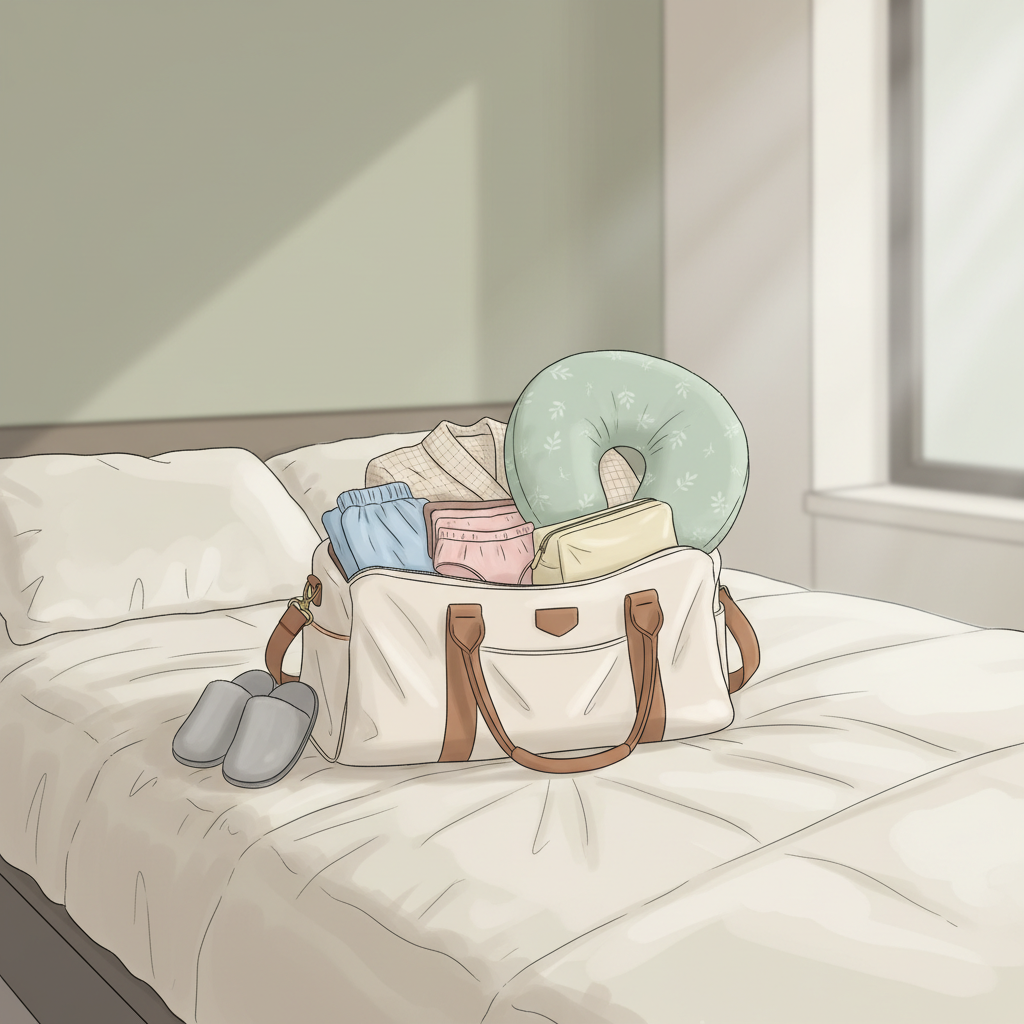
Packing for Your Planned C-Section: A Mom's Guide to Hospital Bag Essentials
It's completely normal to wonder about packing for a planned C-section. While you're likely already thinking about your labor and delivery, a planned Cesarean birth has some unique needs for your hospital stay. As a mom who's been by friends' sides through all sorts of deliveries, I've seen firsthand how a little preparedness can make a world of difference. This isn't about stress; it's about feeling confident and comfortable as you prepare to meet your baby. Let's dive into what to pack in your hospital bag for a C-section delivery that's planned, focusing on what will truly support your recovery and keep you and your baby cozy.
Preparing Your C-Section Hospital Bag: What You Truly Need
A planned C-section, while a surgical procedure, is often prepared for in advance. This means you can pack with a little more intention than you might for a sudden labor. The experience of recovering from a C-section is different from a vaginal birth, and your hospital bag should reflect that. We'll cover the absolute essentials, from important documents to those little things that make a big impact on your comfort.
Documents & Practicalities
These are the non-negotiables that make your hospital stay smooth.
- Identification & Insurance Cards: Crucial for admission and administrative tasks.
- Hospital Registration Forms (if pre-filled): Having these ready can speed up the check-in process.
- Birth Plan (if you have one): Even for a planned C, you might have preferences about the environment or immediate postpartum care.
- Contact List: For notifying loved ones after the baby arrives.
- Wallet/Cash: For small purchases or needs, though most places accept cards.
Comfort is Key: Post-Op Recovery Must-Haves
Your body has just gone through a major procedure, and comfort is paramount. Packing items specifically for C-section recovery can significantly enhance your experience. Think about what will feel gentle and supportive during those first few days.
High-Waisted Pajamas & Robes
This is a big one, often overlooked unless you've had a C-section before.
- Why High-Waisted? Standard bikini-cut underwear or low-rise pants can rub directly on or near your incision site. High-waisted pajamas or loungewear that sit well above your scar will be infinitely more comfortable. Look for soft, breathable fabrics.
- Button-Down or Zip-Front: A lifesaver for easy access if you plan to breastfeed or chestfeed, without having to pull anything over your belly or incision. A comfortable robe is perfect for layering and modesty.
Underwear Choices
This might seem mundane, but the right underwear can make a huge difference.
- Stretchy, High-Waisted Briefs: Think period underwear or comfortable maternity briefs. You want something that offers gentle support and sits high. Avoid anything with lace or rough seams.
- Consider Adult Diapers: While the hospital provides large pads, some moms find disposable underwear or period-style adult diapers more secure and less likely to shift, especially in the early days. These can be very absorbent and comfortable.
Pillows for Support & Comfort
You'll want more than just the hospital's standard-issue pillow.
- A Small Pillow for Your Incision: A game-changer. A firm but soft pillow can be placed against your abdomen to brace it when you cough, sneeze, or move. It provides crucial support and can significantly reduce discomfort.
- Nursing Pillow: If you plan to breastfeed or chestfeed, a U-shaped nursing pillow can be incredibly helpful for positioning your baby comfortably without putting pressure on your abdomen. The hospital might have one, but having your own familiar one can be nice.
Wound Care & Pain Management Items
While the hospital will manage your immediate post-surgical pain, some personal items can be helpful.
- Your Prescribed Pain Medication: Keep this organized and accessible.
- Any Personal Medications: Always inform your care team about these.
- Wound Care: The hospital will provide what's necessary for your incision care. However, some moms like to have postpartum soothing spray or peri-bottle for general comfort and hygiene, though these are often more associated with vaginal birth recovery. Stick to what your doctor or midwife recommends for C-section specific wound care.
Baby's Needs & Mama's Well-being
Beyond your personal recovery, you'll need items for your new arrival and for your own general care.
Clothing for Baby
The hospital typically provides basic onesies and swaddles, but you might want to pack a few special outfits.
- Going-Home Outfit: A soft, comfortable outfit for your departure. Remember to consider the weather!
- A Few Bodysuits/Sleepers: Having a couple of your own favorite outfits adds a personal touch. Opt for ones that are easy to put on and take off.
- Socks/Booties and a Hat: For warmth, especially for the trip home.
Breastfeeding/Feeding Supplies
If you plan to breastfeed or chestfeed, or use formula, here are some helpful items.
- Nipple Cream for Breastfeeding: If you're a nursing parent, a good quality nipple cream can offer much-needed relief.
- Nursing Bras/Tanks: Comfortable, supportive, and ideally front-opening.
- Formula & Bottles (if applicable): While hospitals often provide these initially, if you have a preferred brand or type, you might want to bring your own. Your care team will guide you on what's best for your baby.
Discover your baby's phase
Toiletries & Personal Care
These are the everyday items that make you feel more like yourself.
- Toothbrush & Toothpaste: The familiar routine can be comforting.
- Face Wash & Moisturizer: Hospital air can be dry, and a little pampering goes a long way.
- Lip Balm: Essential, as hospital air can be drying.
- Hair Ties/Headband: To keep hair out of the way.
- Dry Shampoo: A quick refresh when showering isn't a priority.
- Face Wipes: For a quick clean-up.
- Deodorant: An obvious but important personal item.
- Comfortable Slippers or Non-Slip Socks: For walking the hospital halls.
Electronics, Entertainment & Extras
These items can help pass the time and keep you connected.
Charging Cords & Power Banks
You'll want to stay connected and capture those early moments.
- Phone Charger: With an extra-long cord if possible, as outlets can be far from the bed.
- Portable Power Bank: Invaluable for keeping your devices charged without being tethered to an outlet.
- Camera & Charger: If you prefer to use a dedicated camera.
Books, Magazines, or Other Distractions
Hospital stays can have downtime.
- Books or E-Reader: For quiet moments.
- Magazines or Puzzle Books: Light reading and mental engagement.
- Tablet or Laptop: For streaming or connecting with family.
- Journal & Pen: To record your thoughts, feelings, and baby's first days.
What NOT to Pack (Usually)
It's also helpful to know what you likely won't need or what the hospital will provide.
Items Provided by the Hospital
Many essentials are covered, so there's no need to bring your own.
- Basic Baby Care Items: Diapers, wipes, swaddles, and hospital-grade formula are usually provided.
- Postpartum Pads: The hospital will give you plenty of large, absorbent pads.
- Basic Toiletries: Sometimes hotels offer very basic amenity kits, but it’s always best to bring your own trusted brands.
- Pain Medication: Your initial doses will be managed by the hospital staff.
Things You Won't Need Immediately
Unless your care provider advises otherwise, these can often wait.
- Lots of Baby Outfits: You'll likely receive more from visitors than you can use in a short stay.
- Valuables: Leave expensive jewelry or large sums of cash at home.
- Too Many Personal Items: Focus on comfort and necessity; you can always have someone bring more if needed.
Final Checks for Your Planned C-Section Day
As your due date approaches, a few final steps can ensure you're feeling prepared and relaxed.
Pack Early, Stay Calm
- Aim to Pack by 36 Weeks: Having your hospital bag ready by your third-trimester check-ins is a good goal. This reduces last-minute rushing.
- Keep It Accessible: Store your bag by the door or in an obvious place so it’s easy to grab.
- Delegate: If friends or family offer to help pack or bring items, let them!
The Go-Bag Checklist Summary
Here’s a quick rundown of your c-section hospital bag checklist:
For Mom:
- High-waisted pajamas/loungewear (2-3 sets)
- Comfortable robe
- High-waisted underwear (several pairs)
- Nursing bras/tanks (if applicable)
- Slippers/non-slip socks
- Pillow for incision support
- Nursing pillow (optional)
- Toiletries (toothbrush, toothpaste, face wash, moisturizer, lip balm, hair ties, dry shampoo)
- Comfortable clothes for going home
For Baby:
- Going-home outfit
- A few bodysuits/sleepers
- Socks/booties
- Hat
Practicalities:
- ID, insurance card, hospital paperwork
- Phone and charger/power bank
- Entertainment (book, tablet)
- Journal and pen
This list is a guide for your hospital bag for mom c-section needs, and your postpartum recovery c-section essentials should prioritize comfort and ease. Remember, the hospital has resources to support you and your baby.
This journey into motherhood is uniquely yours. Trust your instincts, pack what brings you peace, and know that you are so capable. You've got this, mama.