Postpartum Driving Anxiety: Triggers, Signs & Coping
Feeling anxious driving with your newborn? Discover common postpartum anxiety triggers, telltale signs, and practical coping strategies to regain confidence on the road.
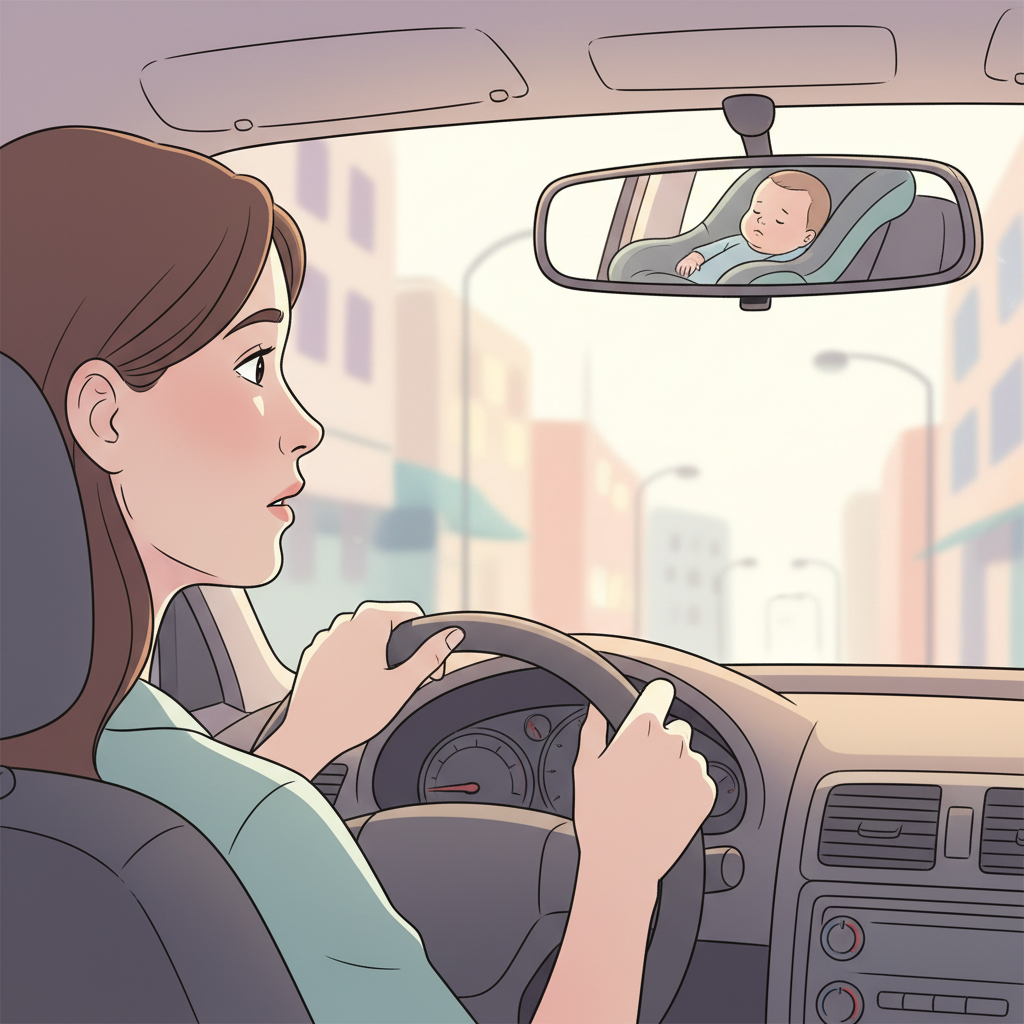
Stop the Swerve: Postpartum Anxiety When Driving with a Newborn
It was 3:15 a.m. The silence in our Brooklyn apartment was usually a balm, but tonight, it amplified the frantic drumbeat in my chest. Noah, my sweet 3-month-old, was finally asleep, but my mind was wide awake, replaying every near-miss, every sudden brake, every thought of what if. The thought of driving him anywhere felt like strapping myself into a nuclear missile. I had no idea why this postpartum anxiety trigger when driving with newborn in car had seized me so completely.
Honestly, I’m still trying to wrap my head around it. Before Noah, I loved driving. A good playlist, the open road – it was my escape. Now? Just the thought of buckling him into his brand-new car seat sent a wave of nausea through me.
My Own Battle with Driving Anxiety Post-Baby
I remember the first time we tried to leave the house for a pediatrician appointment. Just a ten-minute drive across a few familiar Brooklyn streets. Easy, right? Wrong. As soon as I pulled out of our parking spot, my palms started sweating. My breath hitched. Every car behind us felt like a predator. Every pedestrian seemed poised to dart into the street.
Noah was quiet, thankfully, but I was a mess. I kept checking his car seat in the rearview mirror, convinced I'd somehow installed it wrong or that he wasn't breathing right. The simple act of driving, something I used to do on autopilot, was now a high-stakes, heart-pounding performance. I found myself gripping the steering wheel so hard my knuckles were white.
Unpacking Postpartum Anxiety: Why Driving Feels Different Now
So, yeah, this is real. And if you’re reading this, you’re probably feeling it too. That knot in your stomach, the racing thoughts, the sheer dread that comes with the ignition key.
Is it normal to fear driving after birth?
Look, post-baby life is a minefield of "Is this normal?" questions. And the answer to this one is a resounding yes. Many new moms experience heightened anxiety, and for some, driving becomes a major trigger. It’s not just "baby blues" or being overly cautious. It’s a genuine fear that can feel overwhelming. If you’re experiencing this, it might be useful to look into ways to manage postpartum insomnia since lack of sleep can exacerbate anxiety.
Why the car becomes a trigger: Hormones, sleep, and responsibility
So, why the car? So many things converge to make it a perfect storm for postpartum anxiety. First, there are the hormones. Your body has gone through a massive shift. Your sleep deprivation is epic. And then, the biggest one: the crushing weight of responsibility.
You are now directly responsible for this tiny, fragile human. Their entire existence hinges on your decisions. When you’re in the car, you’re in a metal box moving at speed, surrounded by potential dangers. Your brain, already on high alert from hormonal shifts and lack of sleep, goes into overdrive.
Signs you might be dealing with postpartum driving anxiety
Beyond the general unease, there are specific signs that your fear of driving might be a symptom of postpartum anxiety:
- Obsessive thoughts: Constantly worrying about car accidents, the car seat being unsafe, or something happening to your baby.
- Physical symptoms: Rapid heartbeat, shortness of breath, sweating, nausea, or dizziness when thinking about or during driving.
- Avoidance: Putting off necessary trips, relying on others to drive, or even avoiding leaving the house altogether. Consider if you need to take FMLA leave to manage these challenges.
- Feeling out of control: A sense of panic that you might do something reckless or that you can't handle the situation.
- Intrusive thoughts: Unwanted, disturbing thoughts about harm coming to your baby related to the car.
Common Triggers: What Makes Driving with Baby So Nerve-Wracking
It’s not just one thing, is it? It’s a whole constellation of worries that can make the simple act of driving feel like a Herculean task.
Safety fears: Car seats, other drivers, and the unexpected
The car seat is a big one. Did I buckle it correctly? Is it at the right angle? Is it actually safe? We read so many articles, and sometimes that just fuels the anxiety. Then there are the other drivers – the ones who cut you off, the ones on their phones. Your mind conjures up every terrible scenario. A squirrel darting out, a sudden flat tire, a red light you might miss.
Feeling trapped or overwhelmed: The logistics of baby on board
And let’s be honest, the logistics of driving with a newborn are a whole other level of stress. The feeding schedule, the diaper changes, the potential for projectile vomit. You’re not just driving; you’re managing a tiny, unpredictable passenger. Sometimes, the sheer thought of getting everything packed – the stroller, the diaper bag, the extra everything – can make you want to just stay home. It can feel incredibly overwhelming. If your toddler is experiencing similar feelings when starting new routines like daycare, there are strategies to help manage that overwhelm.
This feeling of being trapped in a moving vehicle with all those needs and potential problems is a unique form of anxiety that can be incredibly difficult to manage.
Discover your baby's phase
Why can’t you drive a car after giving birth? (Addressing misconceptions)
This is a misconception I hear sometimes, and it's important to clear it up. There's no general rule that says new mothers can't drive. Your physical recovery might make it difficult for a bit, and many hospitals ask you to wait a certain amount of time before driving yourself, especially if you had certain medical interventions. For example, recovery after a C-section might involve more rest.
But the fear of driving? That’s rooted in postpartum anxiety symptoms, not a physical inability to operate a vehicle. It's a mental hurdle, not a mechanical one. It’s a sign that your postpartum journey might involve more than just sleepy cuddles. Remember to consider your physical recovery as well, like checking in about pelvic floor PT if needed.
Potholes & Pangs: Practical Coping Strategies for the Road Ahead
Okay, deep breath. We can get through this. It’s about taking it slow, using tools, and being kind to yourself. My goal isn't to have you suddenly driving cross-country, but to help you get to the grocery store or take that trip to Grandma's without feeling like you're going to have a panic attack.
Pre-drive prep: Making car rides smoother for everyone
What you do before you even turn the key can make a huge difference.
- Plan your route: Stick to familiar roads, avoid rush hour if possible. Knowing exactly where you’re going and when can reduce some of the ‘unknown’ factor.
- Pack smart: Have your diaper bag, snacks, and baby’s essentials easily accessible. A well-prepared car is a less stressful car.
- Check your car seat: Double-check that it's installed correctly. If you're unsure, many fire stations and police departments offer certified car seat checks. This one little step can alleviate so much worry.
- Mirror, Mirror: Invest in a good rearview mirror designed for car seats so you can easily see your baby without craning your neck.
- Set the mood: Play calming music, or keep it quiet if that’s better for you.
In the moment maneuvers: Breathing and mental reframes
When the anxiety starts to creep in while you’re driving, try these techniques:
- Box breathing: Inhale for 4 counts, hold for 4, exhale for 4, hold for 4. Repeat. This sounds simple, but it can really help regulate your nervous system.
- Grounding: Focus on your senses. What do you see (the road ahead)? What do you feel (your hands on the wheel, your feet on the pedals)? What do you hear (the hum of the engine)?
- Talk to yourself (nicely!): Reframe those anxious thoughts. Instead of "What if I crash?", try "I am a good driver, and I am being careful. My baby is safe." Or, "This is hard, but I can do it."
- Pull over if needed: It’s okay to take a break. Find a safe spot, take a few minutes, take some deep breaths, and then reassess if you’re ready to continue.
Gradual exposure: Taking small steps to build confidence
You don’t have to tackle your deepest fears on day one. Managing postpartum driving fear is a process.
- Start small: A short drive around the block. Then a drive to the end of your street.
- Practice rides: Do these with a supportive partner or friend: Have them sit with you, offering calm reassurance.
- Gradually increase distance: Once you’re comfortable with short trips, try a quick run to the corner store. Slowly build up to longer destinations.
These small wins will help rebuild your confidence and show you that you can do this.
When to Pull Over: Getting Support for Postpartum Driving Anxiety
Listen, you don't have to go through this alone. There are people who want to help.
Talking it out: Why connection matters
Sometimes, just saying it out loud can take away some of its power. Talk to your partner, a trusted friend, or another mom who might have experienced something similar. Sharing your fears can be incredibly validating and make you feel less isolated. Y’all, we need each other.
Professional help: When to consult a doctor or therapist
If your anxiety is persistent, debilitating, or interfering with your daily life (like getting necessary appointments or groceries), it’s time to seek professional help. Your OB-GYN or primary care physician is a great starting point. They can rule out any other physical causes and discuss treatment options, including therapy or medication if appropriate. A therapist specializing in perinatal mental health can offer specific new mom driving anxiety solutions and coping strategies tailored to you. This could also be relevant if you are considering using services like a nanny and need to understand the tax implications.
Understanding postpartum anxiety vs depression: What's the difference?
It’s important to know that postpartum anxiety and postpartum depression (PPD) can sometimes overlap, but they have different primary symptoms. PPD often involves persistent sadness, loss of interest, fatigue, and changes in appetite or sleep (beyond typical new-parent sleep deprivation). Postpartum anxiety, on the other hand, is characterized by excessive worry, racing thoughts, restlessness, and physical symptoms of anxiety. Both are serious and deserve attention. The most important thing is to get help for you.