Postpartum Rage Towards Inanimate Objects: What It Feels Like
Feeling inexplicable rage towards inanimate objects as a new mom? Discover what postpartum rage feels like, why it happens, and how to cope and find support.
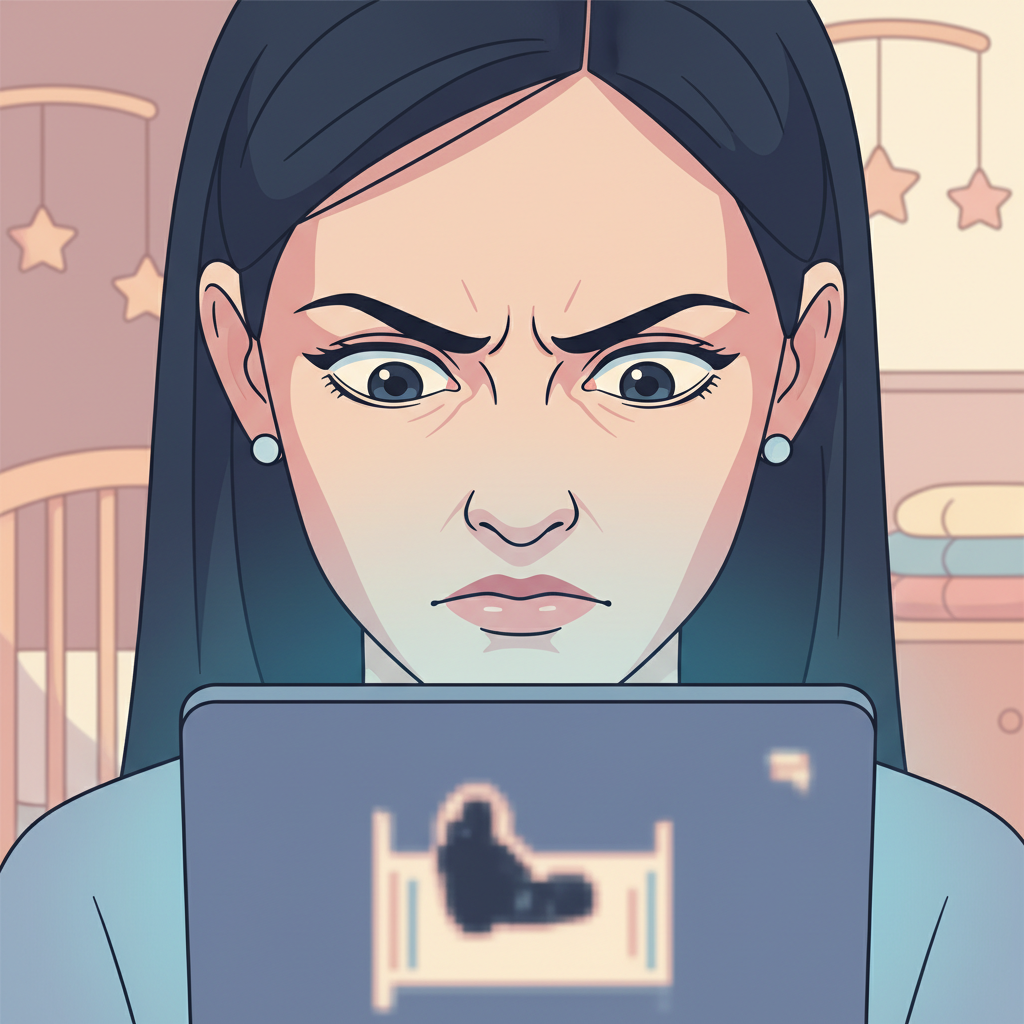
Is Your Baby Monitor Also Your Arch-Nemesis? Let's Talk Postpartum Rage
It was 4:15 a.m. when the diaper pail lid refused to close. Properly close, I mean. It just… hung there, mocking me with its slightly ajar, germ-filled defiance. And in that moment, a primal scream built in my chest – not at Noah, my precious, sleeping (thank God) nine-month-old, but at the plastic monstrosity that dared to inconvenience me.
This feeling, this utterly bizarre, overwhelming rage directed at inanimate objects – yep, that’s a thing. And if you’re experiencing it, you are so, so not alone.
Pop! Goes the Sanity: That Inanimate Object Rage is Real (And Normal)
Honestly, as a first-time mom, I thought I was prepared for the sleepless nights, the endless diaper changes, the sheer, soul-crushing exhaustion. What I wasn't prepared for was the sudden, inexplicable surge of fury at a perfectly innocent sippy cup, or the overwhelming urge to punt a rogue sock down the hallway.
It’s not just you. This rage, this postpartum rage towards inanimate objects, feels insane. But it’s a common symptom for so many of us navigating this wild, beautiful, and often infuriating postpartum period.
It's Not Just You: Why We Lash Out at the Laundry
Look, when you’re sleep-deprived, your hormones are doing a chaotic drum solo, and your entire life has been turned upside down, everything starts to feel like a personal attack. The laundry pile doesn't care that you haven't showered in two days. The dishwasher doesn't understand your desperate need for a clean bottle.
These everyday objects become unwitting recipients of our pent-up frustration. They are the tangible, unmoving obstacles that highlight our lack of control and our sheer overwhelm.
What Does Postpartum Rage Towards Inanimate Objects Actually Feel Like?
It's a sudden, hot wave that washes over you. It’s a clenching in your jaw so tight you think your teeth might crack. It's a silent, or sometimes not-so-silent, scream trapped somewhere between your lungs and your throat.
The truth is, it feels disproportionate. You know, on a rational level, that the coffee maker isn't trying to be difficult when it malfunctions. But your postpartum brain, running on fumes, interprets this minor inconvenience as a monumental betrayal.
The Exploding Coffee Mug: A Common Scenario
Picture this: you’ve finally managed to make yourself a cup of coffee – a rare moment of self-care. You pick up the mug, and a tiny chip on the rim snags your finger. Or maybe the coffee is just… lukewarm. Suddenly, your entire world feels like it’s crumbling.
That fleeting moment of annoyance can erupt into a full-blown rage. You might slam the mug down (gently, if you're lucky), or just stare at it with pure, unadulterated loathing.
Tiny Annoyances, Titanic Reactions: Why It Happens
The hormones, y'all. Let’s just put it out there. After birth, estrogen and progesterone levels drop dramatically. This can impact neurotransmitters like serotonin, which play a role in mood regulation. Combined with FMLA extension: Talking to HR About Postpartum Needs, sleep deprivation, the physical recovery, the immense pressure of caring for a tiny human, and a lack of personal time, and you’ve got a recipe for a short fuse. The postpartum anger triggers don't need to be huge; they can be microscopic.
Common Inanimate Triggers: What Sets Off the Storm?
Honestly, the list is endless. And it changes day by day. One day it's the impossible knot in a shoelace; the next, it's the way the stroller wheels squeak.
Here are some of the usual suspects that tend to incur the wrath of the new mama:
- The Laundry Piles: They seem to multiply overnight.
- Dishes: That sink full of bottles, plates, and cutlery can feel like a personal challenge.
- Technology: A frozen phone screen, a Wi-Fi outage during a crucial naptime Netflix binge, or a baby monitor that decides to go dark.
- Baby Gear: The one-handed opening of a baby wipe dispenser that suddenly requires opposable thumbs you no longer possess.
- Everyday Objects: A stubborn jar lid, a tangled charging cable, a door that won't quite latch.
- Your Own Body: The fact that it’s not performing tasks as easily or quickly as your raging brain wants it to.
The Never-Ending Dishes: Postpartum Rage Triggers
During my most intense phase, I swear I had a staring contest with the sink full of baby bottles every single day. Each one felt like a tiny, glass monument to my perceived inadequacy.
I’d scrub and sterilize, and moments later, more would appear. The sheer futility of it was enough to make me want to hurl them one by one into the backyard. You may be dealing with toddler constipation after solids introduction or other digestive issues after a change in diet.
Tech Fails, Toy Trips, and Other Everyday Provocations
And don't even get me started on technology. I remember having a full-blown internal meltdown because my phone decided to update during a critical feeding session where I needed to look up something. The audacity!
Or tripping over a stray toy on the floor – something you’ve stepped on a thousand times before – but suddenly, it's the final straw. You want to yell at the toy, at the fact that it’s there, at the universe for creating gravity.
Discover your baby's phase
When Does Postpartum Rage Start, and How Long Does It Last?
The truth is, it can show up at different times for different moms. For some, the raw, explosive anger kicks in within the first few weeks, fueled by the immediate postpartum hormonal shift and the shock of newborn life.
For others, it smolders for a bit longer, bubbling up weeks or even months postpartum as they navigate the ongoing challenges of motherhood.
The Early Days vs. Lingering Feelings
In the early days, it’s often tied to physical exhaustion and the intense demands of a newborn. You might snap at random objects because you haven't slept more than two hours straight in a month. If you're worried about your baby's sleep, consider reading about the gentle 6-month sleep regression solutions or how to reset baby sleep schedule after illness.
Later on, it can morph into a more persistent irritability, where any inanimate object failing you feels like a profound personal insult. It’s less about a specific hormonal crash and more about the cumulative stress.
It's A Spectrum: Your Experience Is Valid
It’s so important to remember that postpartum rage exists on a spectrum. Some moms experience fleeting moments of intense frustration, while others grapple with more sustained periods of significant anger. It doesn't matter where you fall on that spectrum; your experience is valid.
The key is recognizing that these feelings are a sign of distress, not a sign of failure.
Quick Fixes: Immediate Coping Strategies for Your Inner Hulk
Okay, so you’re in the thick of it. You feel that familiar tension rising, and a rogue dust bunny is suddenly looking like a mortal enemy. What do you do right now?
Here are some immediate tricks I've learned to deploy:
- Pause and Breathe: This sounds cliché, I know. But honestly, taking three deep breaths can interrupt the rage cycle. Inhale deeply through your nose, exhale slowly through your mouth.
- Step Away: If possible, even for 60 seconds, remove yourself from the offending object or situation. Go into another room, walk around the block, or just stand in a different corner of the kitchen.
- Physical Release (Safely): Clench and unclench your fists. Stomp your feet (away from baby!) or do some jumping jacks. Anything to move that pent-up energy.
- Sensory Grounding: Focus on one of your senses. What do you see? (Really look at its color and texture.) What do you hear? (The hum of the fridge, distant traffic.) What do you feel? (The texture of your shirt, the floor beneath your feet.) This brings you back to the present moment.
- Loud, Empowering Music: Put on something that makes you want to dance or belt out the lyrics. Sometimes, a good, cathartic singalong can dissipate the rage. If you're concerned about your baby's nutrition, especially after starting solids, you might want to explore toddler refusing all vegetables baby led weaning ideas.
Pause, Breathe, Step Away: Creating Instant Distance
That first impulse might be to yell, to swipe, to shove. But if you can catch yourself in that moment, and force that pause, you create critical distance. Distance from the object, yes, but more importantly, distance from the immediate surge of anger.
Physical Release and Sensory Grounding Tricks
I found that a good, hard stomp and then focusing on the feel of my worn-out slippers on the carpet was surprisingly effective. It pulled me out of my head and back into my body.
When to Ask for Help: Moving Beyond the Objects
While throwing a tantrum at your dryer is one thing, persistent and overwhelming rage can be a sign of something more serious. Postpartum rage symptoms can sometimes overlap with or indicate postpartum depression or anxiety. If you're worried about unexpected baby expenses, consider how an HSA for new baby expenses could help.
If the rage is affecting your ability to function, if you’re having thoughts of harming yourself or your baby, or if these intense feelings are not subsidizing, it is absolutely time to reach out.
Beyond Frustration: Signs It's More Than Just a Bad Day
When the rage isn't just about the specific inanimate object but feels like a constant, low-grade fury that seeps into all aspects of your life. When you find yourself being excessively critical of yourself, your partner, or even your baby, because of this anger.
When the feeling of hopelessness starts to settle in alongside the anger. These are signals that you might need more support.
Talking to Your Partner, Doctor, or Support System
Most pediatricians and OB-GYNs have questionnaires to screen for postpartum mood disorders. Don't be embarrassed to voice your concerns. They have heard it all. Consider talking to HR about your postpartum needs as well.
Talk to your partner, a trusted friend, a family member, or a therapist. You don't have to carry this burden alone. There are people who want to help you navigate these feelings and get you back to feeling like yourself.