Potty Training a Stubborn 3-Year-Old Boy: 7 Mom-Tested Tips
Unlock success with these 7 real-mom tips for potty training a stubborn 3-year-old boy. Understand resistance, set the stage for fun, and navigate setbacks with grace.
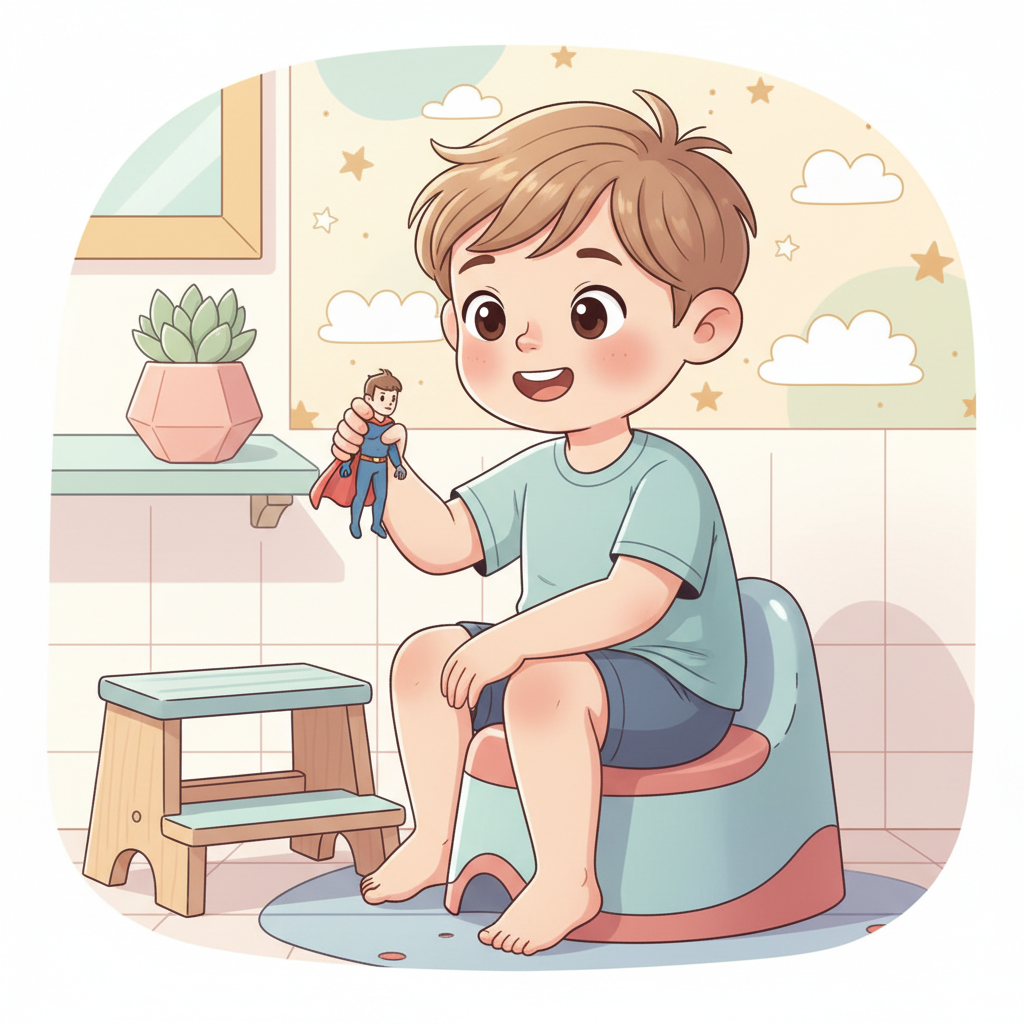
Potty Training a Stubborn 3-Year-Old: 7 Real-Mom Tips for Success
With my first child, I devoured every parenting book promising to unlock the secrets to “easy” potty training. By my fourth, I just wanted to know how to get him to sit down. Looking back, the intensity I brought to potty training my eldest was almost comical. He was in diapers long past when the books said he should be free. My youngest, however, at three, faced me with the silent, unshakeable resistance of a seasoned negotiator. If I could tell my younger self one thing about potty training a stubborn 3-year-old boy, it would be this: ditch the rigid timelines and embrace the messy, glorious reality of your unique child.
Understanding Your Little Commander
The truth nobody tells you is that some kids are just built with a stronger will. This isn't defiance for defiance's sake; it's often a sign of their developing personality and a powerful desire for autonomy. When you’re facing a 3-year-old boy who won't potty train, it’s easy to feel frustrated, but a bit of insight can make all the difference.
Why is my 3-year-old so stubborn about potty training? It's rarely about you. Your little guy might be asserting independence, or perhaps he’s genuinely not ready physically or emotionally. Sometimes, it's a comfort thing – diapers are familiar, predictable. He might also be processing fears you haven't even considered, like the noise of the flush or the sensation of sitting on something new. The key is to remember this is a developmental stage, not a personal affront.
The good news is, even a stubborn child often shows subtle signs he’s inching closer to readiness. Look for these indicators, even if he verbally refuses:
- Consistent dry diapers: Not just for an hour, but for longer stretches, maybe even through naps. How to encourage longer naps for 6-month-old
- Interest in the potty or toilet: Does he watch you? Does he ask questions? Does he mimic the actions?
- Discomfort with a wet or dirty diaper: Does he let you know he’s uncomfortable or ask to be changed?
- Ability to follow simple instructions: This is crucial for making the potty process understandable.
- Predictable bowel movements: Knowing roughly when he needs to go is a huge advantage.
Setting the Stage for Potty Training Success (No Power Struggles Here!)
This is where my fourth child taught me the most. Trying to force the issue with a strong-willed boy is like trying to bend steel. You’ll just end up with a sore hand. Instead, think about creating an environment where the potty feels like a natural, even appealing, part of his world.
Make the potty fun and appealing. We got a brightly colored standalone potty for his bathroom. Let him decorate it with stickers. Read books about potty training together. Let him choose his own big-kid underwear – make them exciting superheroes or favorite animals. The goal is to remove the "ugh" factor and replace it with "ooh, cool!"
Enlist his help in the process. This is huge for a child who wants to feel in control. Let him help you pick out new potty spray or cleaning wipes he likes. Let him decide where his potty book lives. If you’re using a toilet seat insert, let him “install” it with your guidance. He can be the "trainer" of his own potty.
Manage expectations: It’s a marathon, not a sprint. This is what I wish I’d internalized sooner. Potty training is rarely a linear path. There will be progress, there will be setbacks. This is normal. This two-steps-forward-one-step-back dance is par for the course. Give yourself grace and prepare for a journey, not a quick destination.
Tried-and-True Strategies for Stubborn Boys
When direct pleas aren't working, it's time for some clever tactics. Remember, for a stubborn 3-year-old, the motivation needs to come from within, or be presented in a way that feels like his choice.
Discover your baby's phase
The ‘10-10-10 Rule’ of potty training can be adapted. The original idea is to sit on the potty for 10 minutes, drink 10 oz of fluid, and go every 10 minutes. For my stubborn guy, this was too much pressure. Instead, we adapted it to a more relaxed approach: “Let’s try sitting for just a minute or two after one of those wake-up stretches, and we’ll see what happens.” The key was to make it low-stakes and brief. We’d offer a tiny sip of juice and make it a very short, no-pressure attempt. Baby gagging on formula? What New Parents Need to Know
Potty training charts and rewards that actually work require a thoughtful touch. Stickers are great, but for a deeply motivated child, you might need to up the ante. My boys loved small surprises: a few minutes of extra screen time, a special toy from a "prize box" after a certain number of successful trips, or – their favorite – getting to pick the family movie that night. Make sure the rewards are immediate and meaningful to him, and phase them out gradually as he gains confidence. Screen Time Reset: Re-Establish Boundaries After Sick Week
Addressing fears: When a 3-year-old boy is scared of the potty it's surprisingly common. My youngest was terrified of the flush. We solved this by flushing only when he wasn't around at first, or letting him flush a toy down while he sat on his potty. For others, the fear might be falling in, or the cold seat. Pad the seat, use a step stool, and let him explore the potty at his own pace. Sometimes, just giving him a favorite toy or book to hold while he sits can make him feel more secure.
Navigating Setbacks and Accidents with Grace
Accidents WILL happen. This is the absolute bedrock of potty training. They are not moral failings; they are learning opportunities.
When to take a break and when to push gently is a delicate balance. If you’re both completely stressed, overwhelmed, and a power struggle is brewing, it’s okay to pause. Step back for a week or two. Revisit it with fresh eyes and a lighter attitude. However, if he’s showing consistent interest and having fewer accidents, a gentle nudge can be effective. Don't let one or two accidents derail all your progress. What to do when 18 month old throws food on floor intentionally during meals
Handling accidents without shame or blame is paramount. This is where my youngest truly thrived. When he had an accident, we’d calmly say, "Oops, wet happens! Let's go get cleaned up." We’d involve him in the cleanup – putting wet clothes in the hamper, wiping up a small spill. The message is clear: accidents are a normal part of learning, and we deal with them calmly and move on. Shame breeds anxiety and can make a stubborn child dig in their heels even further.
The long game: Persistence and patience pay off. The ultimate secret to potty training for a stubborn child is consistency over time. There will be days you feel like you’re back at square one. Remind yourself that every child, every family, has their own rhythm. Your job is to be the calm, steady presence that guides them through this milestone.
When to Talk to the Pediatrician
While most potty training hurdles are developmental, it’s smart to know when to seek professional advice.
Recognizing signs of a bigger issue is important. These might include:
- Chronic constipation or stool holding: This can lead to fear of defecation and make potty training very difficult. Gentle Postpartum Poop Tips: Easing Bowel Movements After Birth
- Urinary tract infections (UTIs): These can cause pain and discomfort, making the child avoid the potty.
- Extreme reluctance or anxiety that doesn’t improve: If your child seems genuinely terrified or their resistance is extreme, it might be worth discussing.
- No progress after prolonged, patient effort: If you’ve tried multiple approaches consistently for many months and see no movement.
What to do if your 3-and-a-half-year-old is not potty trained depends on the situation. If there are no medical concerns, and he’s showing some readiness signs, a determined, patient approach is usually the answer. If you are concerned about physical or emotional readiness, or if there are other behavioral challenges alongside the potty training, a conversation with your pediatrician can offer reassurance and guidance. They can rule out any underlying medical issues and provide tailored advice for your specific child. Pediatric PT for Toe Walking: What to Expect & How to Help