Pregnancy Pelvic Pain Makes Walking Impossible: 10 Relief Tips
Dealing with pelvic pain during pregnancy that makes walking impossible? Discover practical relief strategies, daily living modifications, and when to seek professional help to manage severe PGP/SPD.
When Pregnancy Pelvic Pain Makes Walking Impossible: Relief & Tips
It's completely normal to wonder if the level of pain you're experiencing is acceptable, especially when it feels like pregnancy pelvic pain makes walking impossible. Many women find themselves in this exact situation, feeling frustrated, scared, and utterly unsupported by their own bodies. This kind of debilitating pain can feel isolating, but please know you are absolutely not alone.
When Pregnancy Pelvic Pain Stops You in Your Tracks: You're Not Alone
There might come a point in your pregnancy where even a few steps feel like a monumental task, and the thought of walking becomes a source of dread. This is a deeply challenging place to be, and it's valid to question if this level of discomfort is something you just have to endure.
Is it Normal to Be in So Much Pain You Can't Walk While Pregnant?
Yes, it is completely normal to experience pelvic pain during pregnancy that makes walking very difficult or even impossible. While this isn't the experience for everyone, it is a common and often severely limiting symptom for many pregnant individuals. Your body is undergoing incredible changes, and these can manifest in various ways, including significant pelvic discomfort. It’s a sign that something in your pelvis is under too much stress or has become misaligned.
Why Does My Pelvic Girdle Hurt When I Can Barely Walk?
Pregnancy pelvic pain, often referred to as pelvic girdle pain (PGP) or symphysis pubis dysfunction (SPD), occurs when the joints in your pelvis become too mobile or are not moving correctly. Hormonal changes, particularly the increase in relaxin, loosen the ligaments that hold your pelvic bones together to prepare for birth.
If these joints move unevenly or excessively, it can cause inflammation, strain on surrounding muscles and ligaments, and lead to sharp, stabbing pain, clicking sensations, or a deep ache. When this pain is significant, it can make the simple act of walking — which involves complex weight redistribution and balance across the pelvis — excruciating. The instability and inflammation can make it nearly impossible to bear weight comfortably on one leg or to synchronize your gait.
Immediate Relief Strategies for When Walking Feels Impossible
When you reach this point, the focus shifts from just "managing" to finding immediate ways to lessen the burden on your pelvis and allow for some basic movement and comfort.
Support Belts and Garments: What to Look For
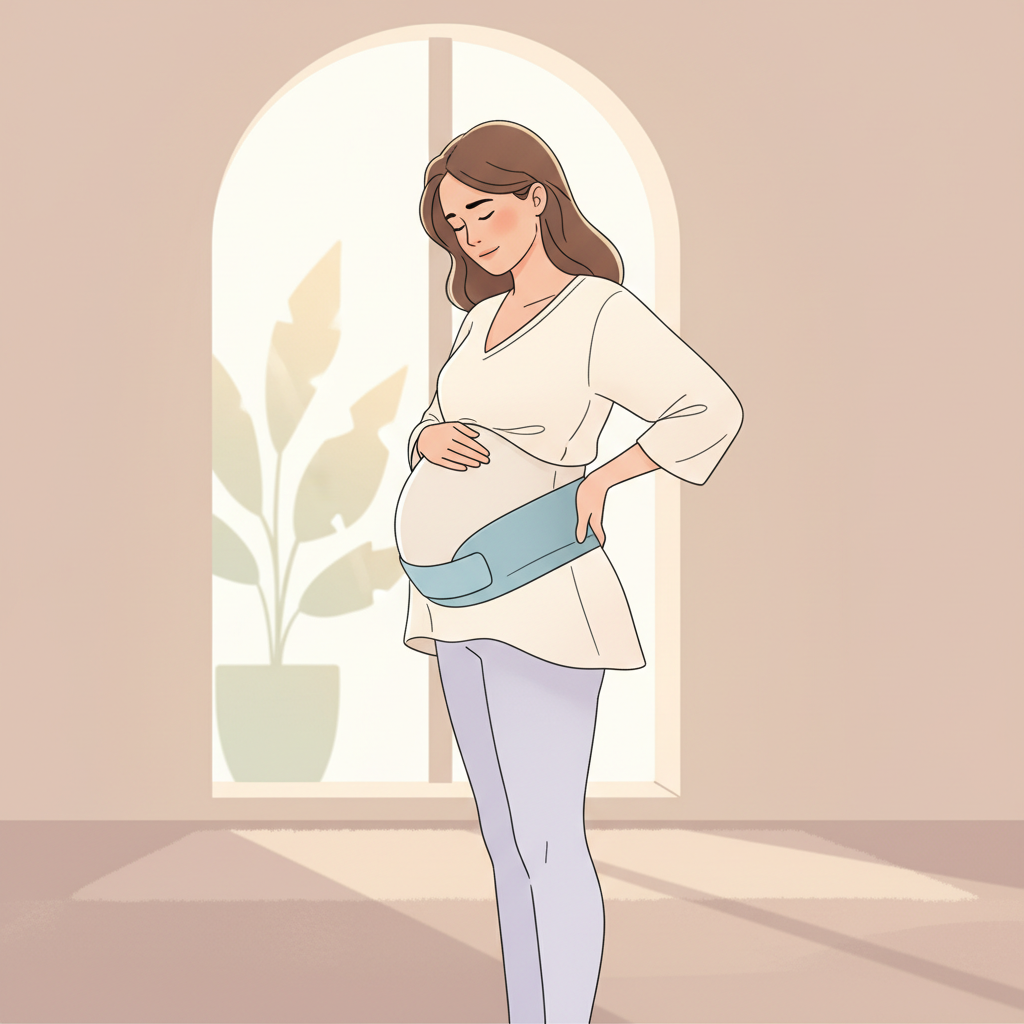
One of the most effective tools for many experiencing pelvic girdle pain can be a well-fitting support belt or garment. These are designed to gently compress and stabilize the pelvic ring, providing external support to your ligaments and joints.
- Types: You'll find maternity support belts that go under your belly and around your hips, as well as sacroiliac (SI) belts that focus on the back of the pelvis.
- What to Look For: Seek out a belt that feels snug but not constricting. It should provide gentle pressure and lift, helping to realign your pelvis. Many women find relief when wearing them for longer periods of standing or walking.
- Wearing It: Experiment with wearing it for short periods initially. You might find it most helpful when you know you'll be on your feet or attempting to move around more.
Remember to advocate for getting properly fitted if possible, as the right fit makes all the difference.
Gentle Movement and Positioning: Finding Your Comfort Zone
While walking might be out, gentle, controlled movements and specific positioning can sometimes ease the strain on your pelvic joints.
- Pelvic Tilts: While lying on your back with knees bent, gently flatten your lower back against the floor, then release. This can help engage core muscles that support the pelvis.
- Clamshells: Lie on your side with knees bent. Keeping your feet together, lift your top knee upwards. This strengthens hip abductor muscles, which also support pelvic stability.
- Avoid Wide Leg Stances: Try to minimize positions that force your legs far apart, as this can exacerbate pain.
Listening to your body is key. If a movement increases pain, stop immediately.
Hot and Cold Therapy: Simple At-Home Solutions
Simple temperature therapies can offer temporary relief by addressing inflammation and muscle tension.
- Cold Packs: Applying a cold pack to the front or sides of your pelvis for 15-20 minutes can help numb pain and reduce inflammation, especially after being more active.
- Warm Baths or Showers: A warm bath can relax tense muscles around the pelvis and provide deep comfort. Some women find adding Epsom salts to a warm bath particularly soothing.
- Alternating: Some people find alternating between hot and cold therapy can be beneficial for managing chronic pain.
Always use a barrier (like a towel) between the ice pack and your skin, and never fall asleep with a heating pad on.
Navigating Daily Life with Severe Pelvic Pain
When walking feels impossible, even the simplest daily tasks require a complete overhaul. It's about adapting your environment and your movements.
Modifying Everyday Tasks: Sitting, Standing, and Rolling in Bed
Simple actions like getting onto the toilet, sitting on a chair, or even just adjusting your position can be incredibly painful.
- Sitting: Opt for chairs with armrests that allow you to push yourself up. Avoid sinking into soft couches. Try to keep your knees level with your hips.
- Standing: When you need to stand, try to do so for short periods. If you need to switch legs, try to do it by shifting your weight or using counter-pressure against a stable surface.
- Rolling in Bed: Instead of trying to twist your torso, try to move your whole body as a unit. Bend your knees, bring them together, and roll your hips and legs to one side. Use your arms to push yourself up.
The goal is to minimize twisting and bending of the pelvis as much as possible.
Discover your baby's phase
How to Sleep with Pelvic Pain During Pregnancy
Sleep can be elusive when every shift in position sends jolts of pain through your pelvis. Finding a comfortable sleeping position is crucial.
- Start with a supportive setup: Use plenty of pillows. A long body pillow can be a game-changer, placed between your knees and extending up to support your back.
- Side Sleeping is Key: Continue sleeping on your side.
- Pillows Between Knees: Place a firm pillow between your bent knees to keep your hips aligned. This prevents the top leg from pulling your pelvis out of alignment.
- Pillow Under Belly: If your belly feels heavy and pulls forward, try placing a small pillow or wedge underneath it for extra support.
- Pillow Behind Your Back: A pillow behind your back can prevent you from rolling onto your back accidentally during the night.
Experiment with different pillow configurations until you find what offers the most stability and least pressure.
Tips for Getting in and Out of the Car or Bed
These transitions are often where pain is most intense. Slowing down and being deliberate can help.
- Getting into the Car: Back up to the car seat. Open the door wide and sit down first, bringing your legs in one at a time, keeping your knees together.
- Getting Out of the Car: Reverse the process. Open the door wide, scoot to the edge of the seat, and place your feet firmly on the ground. Use your arms to push yourself up, keeping your knees together.
- Getting into Bed: When possible, sit on the edge of the bed first, then use your arms to push your hips up and lie back, bringing your legs with you.
Think "log rolling" for all these movements – keeping your hips and knees aligned as much as possible.
When to Talk to Your Doctor About Pelvic Pain
While many pregnant individuals experience discomfort, severe pain that impacts your mobility is a signal to seek professional guidance. It's important to get a proper assessment.
Understanding Different Diagnoses (PGP, SPD)
Your healthcare provider can help differentiate between various types of pelvic pain. Pelvic girdle pain (PGP) is an umbrella term that includes conditions like symphysis pubis dysfunction (SPD) and posterior pelvic pain, affecting the joints at the front or back of your pelvis. Understanding the specific nature of your pain can guide treatment.
Physical Therapy: A Crucial Step
Physical therapy is often the cornerstone of managing PGP and SPD. A physical therapist specializing in prenatal care can:
- Assess your pelvic alignment and mobility.
- Teach you specific exercises to strengthen supporting muscles.
- Provide manual therapy to improve joint mechanics.
- Offer guidance on proper body mechanics and pain management strategies.
Physical therapy is not just about pain relief; it's about restoring function and preparing your body for labor and postpartum recovery.
Finding a Prenatal-Savvy Specialist
When seeking help, look for a physical therapist or chiropractor who has specific training and experience treating pregnant individuals. They will understand the hormonal and biomechanical changes unique to pregnancy and can offer the most appropriate and safe interventions. Don't hesitate to ask potential providers about their experience with pelvic girdle pain during pregnancy.
Beyond the Pain: Emotional Support and Self-Care
Living with intense pain that limits your mobility can take a significant emotional toll. It's vital to acknowledge and address these feelings.
Coping with Frustration and Immobility
Feeling trapped by pain and unable to do the things you want or need to do is incredibly frustrating. Allow yourself to feel these emotions without judgment. Grief for lost mobility, anger at the unfairness of it, and anxiety about the future are all valid responses.
Enlisting Your Support System
Lean on your partner, friends, and family. Communicate your needs clearly. This might mean asking for help with chores, grocery shopping, or simply having someone to share your feelings with. Even if they can't fix the pain, their presence and willingness to assist can make a world of difference.
Small Joys to Lift Your Spirits
When your world shrinks due to pain, it's important to find ways to bring joy back in.
- Listen to audiobooks or podcasts.
- Engage in gentle creative activities like drawing or knitting if you can manage them.
- Connect with other pregnant people online or in support groups who understand.
- Practice mindful breathing exercises or simple meditation.
It’s about creating moments of peace and self-compassion amidst the struggle.
Your body knows best, and while it’s screaming with pain right now, it’s also capable of incredible healing. Trust yourself, seek the support you need, and remember that this season of intense discomfort is temporary. Honor your experience, and at every step, make informed choices about your care alongside your healthcare provider. You are doing an amazing job.