Prenatal Physical Therapy for Round Ligament Pain Relief
Discover how prenatal physical therapy can relieve round ligament pain during pregnancy. Learn gentle exercises, stretches, and practical tips for comfort.
Finding Comfort in the Curve: Prenatal Physical Therapy for Round Ligament Pain
It's completely normal to experience sharp, sometimes startling pains in your growing belly during pregnancy. Many expectant parents feel that sudden jolt of "What was that?" when a movement triggers a brief, intense ache. This is often your body's way of signaling round ligament pain, a common discomfort that comes with the incredible expansion happening within you.
During pregnancy, your body undergoes profound transformation. Hormones like relaxin loosen ligaments to accommodate your growing baby and prepare your pelvis for birth. The round ligaments are two thick bands of tissue that run from the top of your uterus down into your groin. As your uterus expands, these ligaments stretch considerably, which can lead to sharp, stabbing, or aching sensations.
Understanding the Familiar Ache of Round Ligament Pain
You might feel round ligament pain most often on one side, or sometimes both. It can manifest as a sudden, sharp twinge, or a duller, persistent ache. It's frequently triggered by movements like rolling over in bed, standing up too quickly, coughing, or sneezing. The pain is usually in the lower abdomen, just above your pubic bone or extending into the groin area.
Think of it like this: your uterus is growing rapidly, and these ligaments are tethered to that growth. When they’re pulled taut quickly, it can create an intense sensation. It’s important to distinguish this from other types of pain. While round ligament pain is typically brief and sharp, if you experience persistent, severe pain, cramping that doesn't subside, bleeding, or fever, it's crucial to reach out to your healthcare provider immediately.
Your Body's Ally: Prenatal Physical Therapy for Relief
Many expectant parents find immense relief by exploring prenatal physical therapy for round ligament pain. This specialized area of physical therapy focuses on the unique musculoskeletal changes and discomforts that arise during pregnancy and postpartum. A prenatal physical therapist is trained to understand the biomechanics of pregnancy and how to help you move more comfortably and efficiently.
Why is PT such a game-changer for pregnancy discomforts? Because it goes beyond just surface-level relief. A skilled prenatal PT will assess your posture, alignment, and the specific ways your body is compensating for its changing center of gravity. They can identify muscle imbalances or areas of tightness that might be exacerbating round ligament pain and then provide targeted strategies.
What can you expect from a prenatal physical therapist session?
- A thorough assessment: This includes discussing your symptoms, medical history, daily activities, and observing your movement patterns.
- Hands-on techniques: They might use gentle manual therapy to release tight muscles or improve joint mobility in your pelvis and hips.
- Personalized exercise prescription: You'll receive specific, gentle exercises and stretches tailored to your needs.
- Education and guidance: They’ll teach you how to modify your movements and daily activities to minimize strain.
Finding a qualified prenatal PT near you can make a significant difference. Look for someone who specifically mentions prenatal care or has experience working with pregnant individuals. They understand the nuances of pelvic floor health during pregnancy and can offer holistic support for round ligament pain relief.
Gentle Exercises and Stretches for At-Home Relief
While a physical therapist can provide expert guidance, many gentle prenatal PT exercises for round ligament pain can be safely incorporated at home. The key is to move slowly, mindfully, and listen to your body.
Pelvic Tilts and Cat-Cow: Strengthening Your Core Gently
These movements are excellent for improving spinal mobility and engaging your core muscles without putting undue stress on your abdomen.
- Pelvic Tilts: Start on your hands and knees or standing against a wall. Gently arch your lower back (like a cow), then tuck your tailbone under, flattening your back (like a cat). Focus on the small, controlled movement in your pelvis. This helps to counter the strain on your ligaments by engaging supporting muscles.
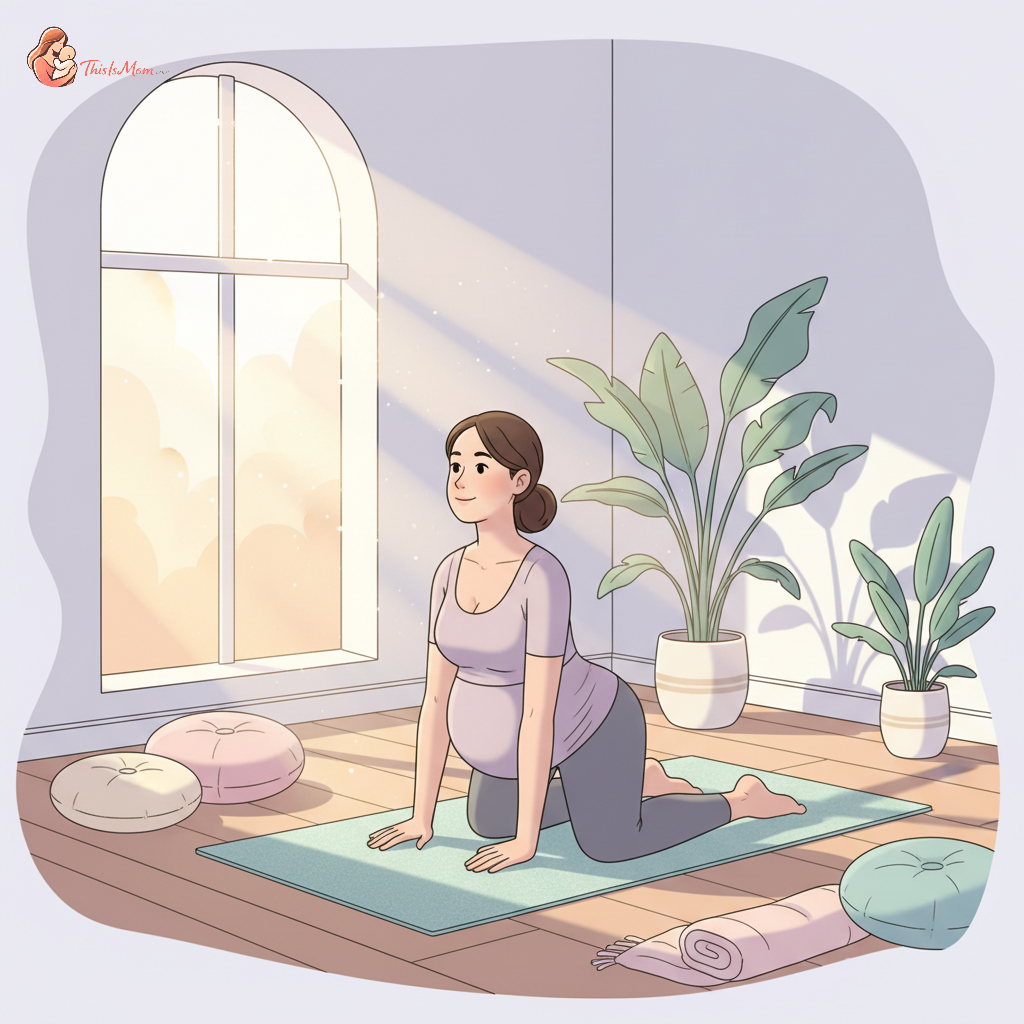
- Cat-Cow (from hands and knees): Inhale as you drop your belly towards the floor, lifting your gaze (cow pose). Exhale as you round your spine towards the ceiling, tucking your chin to your chest (cat pose). Move with your breath, feeling the gentle stretch through your back and abdomen.
Hip Flexor Stretches: Opening Up Your Pelvis
Tight hip flexors can contribute to pelvic pain. These gentle stretches can help create more space.
Discover your baby's phase
- Kneeling Hip Flexor Stretch: Start in a kneeling position, with one knee on the floor (use a cushion) and the other foot flat on the floor in front of you, forming a 90-degree angle. Keeping your torso upright, gently shift your hips forward until you feel a stretch in the front of the hip of your back leg. Avoid arching your low back. Hold for 20-30 seconds, then switch sides.
Supported Side-Lying: Comfortable Positions for Relief
Sometimes, simply finding the right position can offer immediate relief.
- Side-Lying with Pillow Support: Lie on your side with your knees bent. Place a pillow between your knees to keep your hips aligned and a pillow under your head for neck support. Some pregnant individuals find an additional pillow tucked under their belly or behind their back can provide even more comfort and reduce strain on the ligaments. This position helps to release pressure on the round ligaments by allowing your uterus to rest.
Practical Tips for Managing Round Ligament Pain in Daily Life
Beyond specific exercises, incorporating mindful habits into your day can significantly reduce the occurrence and intensity of round ligament pain.
Support Garments and Belly Bands: When and How to Use Them
For many, a belly band or a full maternity support garment can be a lifesaver. These provide external support to your growing belly, taking some of the weight off your ligaments and abdominal muscles.
- How to use them: Wear them over or under your clothing. They can be particularly helpful when you're on your feet for extended periods or doing activities that tend to trigger your pain. They offer a gentle lift, which can alleviate the stretching sensation on the round ligaments.
Mindful Movement: Changing Positions Slowly and Carefully
This is perhaps the most crucial daily practice for preventing sharp pains.
- The 'Slow Down' Rule: Get into the habit of moving slowly and deliberately. When standing up from a seated or lying position, pause for a moment, engage your core gently, and rise slowly. When rolling over in bed, draw your knees towards your chest slightly and move with control. This gives your ligaments time to adjust to the change in position.
Heat and Cold Therapy: Simple Soothing Techniques
Simple temperature applications can provide localized relief.
- Warm Compress: A warm (not hot!) compress or a warm bath can help relax tight muscles in your abdomen and groin area, easing the discomfort.
- Cold Pack: For some, a cold pack applied for short periods (wrapped in a cloth) to the most tender area can help reduce inflammation and numb the pain. Experiment to see which, if any, offers you relief.
When to Talk to Your Doctor or Physical Therapist
While round ligament pain is common and usually benign, it’s always wise to know when to seek professional advice.
- Persistent or Severe Pain: If the pain is constant, severe, or doesn't improve with rest and gentle movement, it’s time to check in with your OB or midwife.
- Pain Accompanied by Other Symptoms: Any pain associated with vaginal bleeding, fever, chills, or changes in vaginal discharge warrants immediate medical attention.
- Questions About Pelvic Floor Health: If you're experiencing significant discomfort, pressure, or have concerns about your pelvic floor during pregnancy, a pelvic floor therapy specialist can be incredibly beneficial. They can address a range of issues that might be contributing to your pain.
- Personalized Exercise Guidance: While the exercises above are generally safe, your specific body and pregnancy may require a more tailored approach. A physical therapist can provide personalized advice for managing round ligament pain at home and offer specific strategies for your situation.
It's empowering to know that you have options for managing pregnancy discomforts. By understanding your body's signals and incorporating gentle, informed movement and support, you can navigate this phase with greater ease and comfort.
This journey of pregnancy is uniquely yours. Trust your body's wisdom, lean into the support systems available to you, and remember you are capable of nurturing yourself and your baby through every stage. Do what feels right and best for you and your growing family.