Prepare 18-Month-Old for New Daycare Teacher Transition
Help your 18-month-old adjust to a new daycare teacher with expert tips. Learn communication strategies, prep techniques, and how to support their emotional needs.
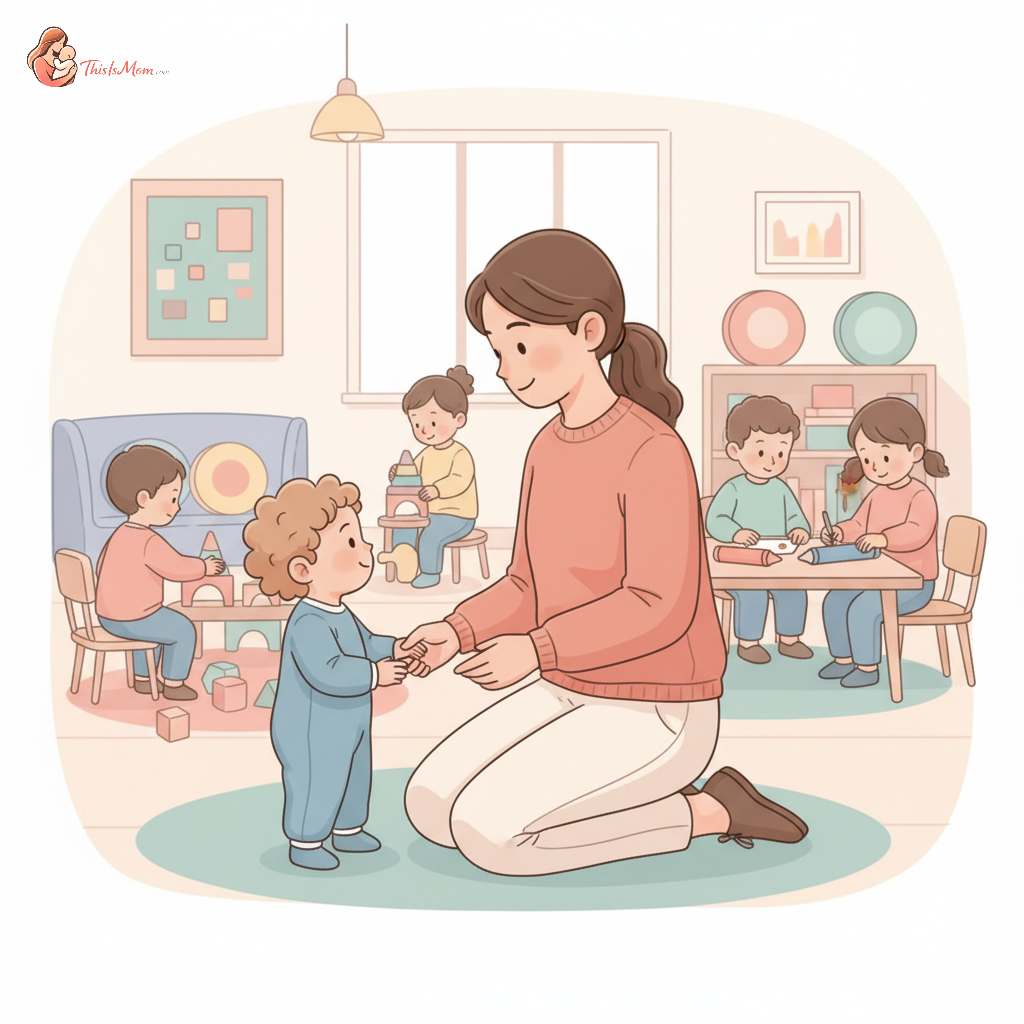
A New Face at Daycare: Preparing Your 18-Month-Old for a Teacher Change
With my first child, Lily, the idea of her daycare teacher changing sent me into a tailspin. I imagined meltdowns, days of tears, and her feeling utterly abandoned. By the time my fourth, Leo, was 18 months old and faced a similar shift, I’d learned a thing or two. Looking back, the panic I felt initially was mostly mine, not his. Toddlers are resilient, and with a little gentle guidance, preparing your 18-month-old for a new daycare teacher transition can feel far less daunting.
If I could tell my younger self anything, it would be this: breathe. Your child’s world is built on consistency, and while a new teacher is a change, it doesn’t have to be a crisis. The truth nobody really tells you is that a lot of our anxiety is projected. Your toddler’s ability to adjust depends as much on your calm demeanor as it does on any specific strategy.
Why a New Teacher Can Feel Like a Big Deal to Your Little One
For an 18-month-old, their world is often centered around familiar faces and predictable routines. Their daycare teacher isn't just someone who supervises; they're often a comforting presence, a source of praise, and a key figure in their daily life.
This new teacher represents a disruption to that established comfort. It’s a change in the predictable pattern they’ve come to rely on. While they might not articulate it with words, they feel the shift. This can manifest as clinginess, fussiness, or even a temporary step backward in behaviors like potty training or sleeping. This change, while small to us, is a significant event in their small but mighty world.
Open Communication: Your Best Tool for a Smooth Transition
The first line of defense, and often the most overlooked, is clear communication with everyone involved. This isn't just about telling your child what's happening; it's about building a bridge between home and daycare.
Talking to the New Teacher
Before the transition officially begins, try to have a brief chat with the incoming teacher. Introduce yourself and your child. Share a few key things – what makes your child smile, what their favorite quiet activity is, or if they have a particular comfort item. This simple act can help the new teacher feel more prepared and less like a stranger walking into a room of unknowns.
Connecting with the Previous Teacher
If possible, a brief conversation with the departing teacher can be incredibly helpful. They can offer insights into your child's current temperament, any recent milestones, or specific things that might make the transition smoother. They’ve built a relationship, and a handover of sorts can ease everyone’s mind.
Keeping Daycare Management in the Loop
Ensure the daycare director or administration is aware of your concerns and your approach. They are experienced in managing these transitions and can often offer specific support or resources. Knowing they are aware allows for a more unified approach to helping your toddler adjust.
Prepping Your Toddler: Simple Strategies That Make a Difference
You can’t explain the nuances of staffing changes to an 18-month-old, but you can introduce the idea of new experiences and familiar faces in a positive light.
Introducing the Idea Early (But Not Too Early)
A week or so before the change, you can start mentioning it. Keep it simple: "Miss Emily will be here soon to play with you!" or "Soon, a new friend will be teaching you songs." The key is to keep it light and positive, without over-explaining or creating anticipation that might lead to anxiety.
Reading Books About New Experiences
There are wonderful children's books that gently introduce concepts like meeting new people, starting something new, or saying goodbye. Books about making friends or visiting new places can normalize the experience. Choose ones that focus on the excitement of discovery rather than the fear of the unknown.
Discover your baby's phase
Practicing Saying Goodbye and Hello
Role-playing can be surprisingly effective. Use stuffed animals or dolls to practice saying goodbye and hello. You can model saying, "Goodbye, teddy bear! I'll see you later!" and then "Hello, teddy bear! It's so nice to see you!" This might sound simple, but it helps them understand the ritual of parting and reuniting, and crucially, that goodbyes are temporary.
During the Transition: Supporting Emotional Cues
The actual days of the transition require extra patience and a keen eye for your child's reactions. This is where consistency truly shines.
Maintaining Consistent Routines
This is paramount. When the familiar adult changes, the predictable rhythm of the day becomes even more important. Ensure nap times, meal times, and bedtime routines at home are solid. Communicate with the daycare about their routines for the classroom so they align as much as possible. This provides a stable framework amidst the change.
Acknowledging and Validating Their Feelings
If your toddler seems upset, clingy, or a bit withdrawn, acknowledge it. "I see you're feeling a little sad today because Miss Sarah is different. That's okay. It's okay to miss Miss Emily. This new teacher is very nice, and we will get to know her." Your validation helps them feel understood and supported, reducing the emotional charge.
Observing Behavioral Changes and Responding with Patience
You might notice a temporary increase in tantrums, sleep disturbances, or fussiness. These are often signals that your child is processing the change. This is not the time to discipline for behaviors that are clearly linked to the transition. Instead, offer extra comfort, understanding, and reassurance. This phase, like most in toddlerhood, usually lasts a short while.
Building a Positive Relationship with the New Teacher
Your role doesn't end once the transition begins. Actively fostering a positive relationship with the new teacher is crucial for your child's comfort.
Sharing Insights About Your Child
Provide the new teacher with a brief "cheat sheet" about your child. What are their favorite songs? Do they have a particular fear (like the loud hand dryer)? What language do they respond best to? The more the teacher understands your child's unique personality and needs, the quicker they can build rapport.
Active Listening and Trusting Their Expertise
When the teacher shares observations about your child, listen actively and respectfully. They are with your child for many hours a day and can offer valuable insights. Try to trust their experience in managing classroom dynamics and supporting children through changes.
Volunteering (If Possible and Appropriate)
If your schedule allows and the daycare environment is open to it, consider volunteering for a short period. This could be helping with a craft, reading a story during circle time, or assisting with a special event. Seeing you collaborate positively with the new teacher can be incredibly reassuring for your child.
When to Seek Extra Support: Recognizing Persistent Struggles
Most children navigate these changes with time and gentle support. However, there are instances where a child might struggle more significantly with adjustment. If your child's distress is extreme and doesn't show signs of easing after a couple of weeks, or if you notice significant regression in their development or overall mood, it's worth discussing with the daycare director and perhaps your pediatrician. Persistent, unshakeable anxiety or a complete withdrawal can indicate that something more might be going on, and it’s always wise to trust your parental instincts.