Prepare Your Pets for Baby: 10 Steps to Smooth Transition
Expecting a baby? Learn how to prepare your dog or cat for a new baby arrival with practical tips on routine changes, scent introduction, and safe meetings.
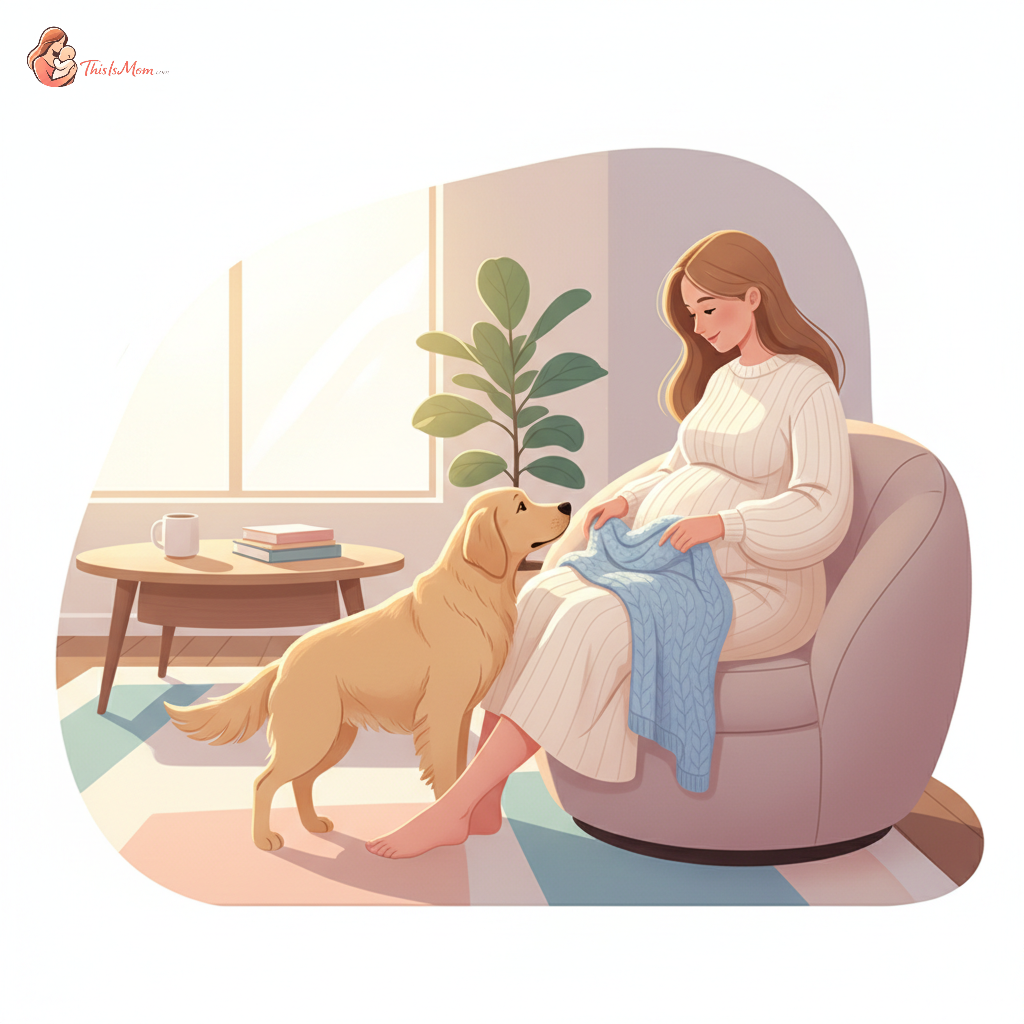
Welcoming Baby Home: How to Prepare Your Beloved Pets for Your New Family Member
It's completely normal to wonder how your furry family members will adjust to a new baby. You've loved your pets forever, and you want everyone to feel safe and cherished when your little one arrives. Preparing existing pets for a new baby arrival is a thoughtful process that honors the bond you share with your animals while ensuring a smooth transition for your expanding family. It’s about setting the stage for a harmonious home where everyone thrives.
Giving Your Pet a Heads-Up: Why This Matters
Your pet experiences the world through their senses and routines. A sudden shift in the household dynamic can be unsettling for them. Understanding your pet's perspective means recognizing that they might feel confused, anxious, or even threatened by new sounds, smells, and a different amount of attention. This is precisely why early preparation is so important. By anticipating these changes and proactively addressing them, you can help your pet feel more secure and accepting of the new baby, making the entire family's adjustment much smoother.
Setting the Stage: Pre-Baby Pet Prep and Home Shifts
A little foresight goes a long way in making sure your pets are comfortable and well-adjusted before your baby makes their grand entrance. This phase is all about gradually introducing your pets to the changes they can expect.
Acclimating to the Sounds and Smells of Baby
Babies are noisy! From cries and coos to the whir of a sound machine, these are all new auditory experiences for your pet. You might choose to start playing recordings of baby sounds at a low volume while your pet is relaxed. Gradually increase the volume over time to desensitize them. Similarly, baby lotions, powders, and even the unique scent of a newborn can be overwhelming. You can introduce these gradually by using a small amount on yourself or on a blanket.
Establishing New Routines Before Baby Arrives
Pets thrive on predictability. Before the baby arrives, begin adjusting your pet’s feeding, walking, and playtime schedules to reflect the reality of life with a newborn. If your pet is used to your undivided attention at certain times, start practicing brief periods of separation or distraction. For instance, if your dog typically gets a long walk at 6 PM, gradually shift that to include their dinner time, or have another family member take over. This helps them learn that their primary caregiver might be occupied at times.
Creating Sanctuaries for Everyone
Designating safe spaces is crucial for both your pet and your baby. Ensure your pet has a comfortable, quiet spot where they can retreat and feel undisturbed. This could be their bed in a corner, a crate with a cozy blanket, or even a designated room. Likewise, a bassinet or crib is a baby's safe zone. From the very beginning, teach your pet that these are off-limits areas for them unless invited. This requires consistent reinforcement.
Essential Dog Training for Baby Arrival
If you have a dog, reinforcing obedience commands is a wise investment. Skills like 'leave it' are invaluable for teaching your dog to disregard dropped items or potentially tempting baby paraphernalia. 'Stay' or 'settle' can help them remain calm when the baby is present. Teaching your dog to go to their mat or bed on command is also incredibly useful. This training isn't just about control; it's about giving your dog a job and clear expectations in a changing environment. Positive reinforcement – treats, praise, and affection for good behavior – is your best tool here.
The Subtle Art of Scent Introduction
One of the most significant ways pets perceive the world is through smell. Bringing baby’s scent home before the baby themselves can make a huge difference.
Baby's Scent, Ahead of the Entrance
Before bringing your newborn home from the hospital, have someone bring home a baby blanket or an item of clothing that the baby has worn. Allow your pet to sniff it calmly. This introduces them to the new scent in a controlled way, without the overwhelming presence of a new person. Observe their reaction. Are they curious, indifferent, or anxious? This initial sniff test can provide valuable insight.
Navigating the First Meeting
Discover your baby's phase
When the baby is finally home, the initial introduction should be calm and controlled. It's often recommended to have one parent focus on greeting the pet while the other holds the baby. Allow the pet to approach the baby calmly, and if they seem relaxed, you can allow them to sniff the baby’s feet. Keep the interaction brief and positive. Avoid overwhelming your pet, and always be ready to calmly redirect them if they become too excited or anxious.
Gentle First Meetings: Fostering a Peaceful Coexistence
The initial interactions between your pet and your newborn are pivotal. The goal is to foster positive associations and ensure everyone's safety.
Managing High Energy: The Hyper Dog and Baby
If you have a dog who tends to have a lot of pent-up energy, it’s crucial to ensure they’ve had ample exercise and mental stimulation before any introductions. A tired dog is often a calmer dog. On introduction day, ensure your dog has had a good walk and perhaps a play session. Keep them on a leash during these initial meetings so you have more control and can easily guide their behavior. Celebrate calm behavior with praise and gentle petting.
Supervised Interactions: What to Look For
All interactions between your baby and your pet must be supervised. Watch your pet’s body language closely. Signs of stress can include excessive yawning, lip licking, panting (when not hot), whale eye (seeing the whites of their eyes), tucked tail, or rigid body posture. If you see these signs, it’s a signal to calmly end the interaction and give your pet some space. Likewise, watch your baby for any signs of discomfort from your pet’s presence. The aim is positive association for both.
Ensuring Germs are Minimized: Newborn Baby and Dog Hygiene
The topic of newborn baby and dog hygiene is a valid concern for many parents. While pets can carry germs, the risk is generally manageable. Most pediatricians agree that exposure to a variety of microbes can actually be beneficial for a baby’s developing immune system. However, good hygiene practices are essential.
- Regular grooming: Keep your pet’s coat clean and brushed.
- Nail trimming: Keep your pet’s nails trimmed to prevent accidental scratches.
- Handwashing: Always wash your hands thoroughly before and after handling your pet, especially before holding or feeding the baby.
- Pet cleanliness: Ensure your pet’s living area is cleaned regularly.
- Vet visits: Keep your pet up-to-date on vaccinations and parasite prevention.
Discuss any specific concerns with your pediatrician and your veterinarian. They can offer personalized advice based on your pet’s health and your baby’s needs.
Sustaining Peace: Long-Term Harmony with Pets and Growing Baby
Bringing a baby into a home with pets is an ongoing process of adjustment, not a one-time event. Nurturing this new dynamic takes continued effort and awareness.
The Power of Continued Positive Reinforcement
Keep reinforcing good behavior. When your pet is calm around the baby, offer praise, a gentle treat, or a quiet petting session. This helps them associate the baby’s presence with positive experiences. Avoid punishing your pet for things they might do out of anxiety or confusion; instead, focus on redirecting and rewarding desired behavior. This consistent approach builds trust.
Balancing Attention: A Delicate Act
As your baby grows, you’ll be pulled in many directions. It’s important to carve out dedicated time for your pets, even if it’s just for a quick game of fetch, a short walk, or a few minutes of uninterrupted petting. This helps prevent feelings of neglect. You might involve your pet in baby’s routine in small ways – letting them sit nearby during tummy time or bringing them a toy while you’re nursing.
Knowing When to Seek Expert Guidance
Most pets adapt beautifully with thoughtful preparation and ongoing support. However, if you are experiencing significant behavioral challenges with your pet, such as aggression, extreme fear, or destruction, it’s wise to seek professional help. Consulting with a certified professional dog trainer specializing in behavior modification or a veterinary behaviorist can provide tailored strategies for your specific situation. Look for trainers with experience in dog training for new baby arrival or general behavior issues.
Life with a newborn is a beautiful, chaotic adventure. By intentionally preparing your pets, you’re creating a more peaceful and loving environment for your entire family, furred members included. You’ve got this, and your pets will thank you for it.