Preparing Your Pet for New Baby: Training Tips & Safety
Discover essential tips for preparing your dog or cat for a new baby's arrival. Learn training techniques, safety measures, and how to ensure a smooth transition for your furry friend and growing family.
Preparing Your Pet for a New Baby Arrival: Key Training Tips
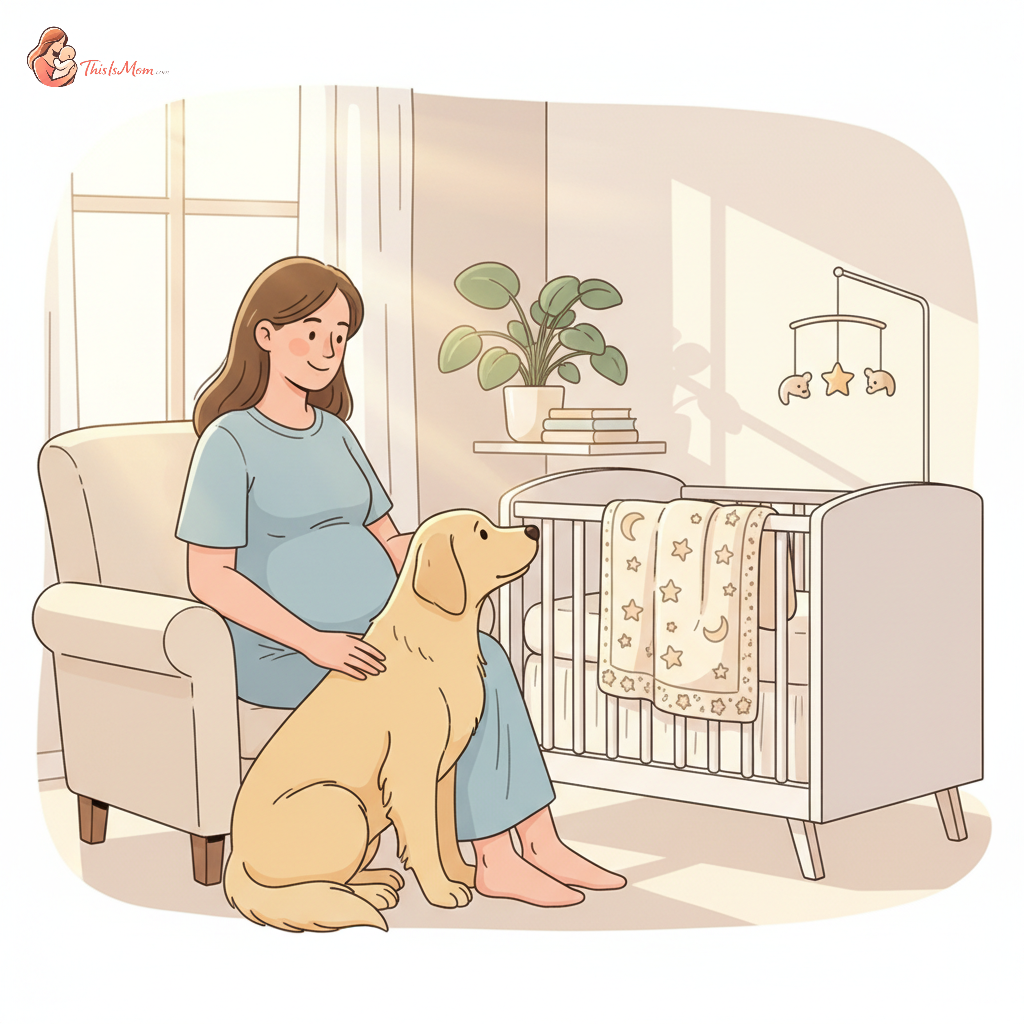
Your baby is due to arrive soon, and you're busy nesting. But have you thought about your furry family members? Preparing your pet for a new baby arrival is a crucial step towards a smooth family transition. It's not just about introducing a new family member; it's about managing significant change for your existing companions.
Setting the Stage for Success: Preventing Stress for Pets and Parents
Bringing a new baby home is a monumental shift, affecting every member of the household, including pets. Early preparation can head off a lot of potential stress for both your animals and for you. The goal is to create an environment where your pet feels secure and understands the new dynamics.
Understanding Your Pet's Perspective
From your pet's point of view, their familiar routine is about to be disrupted. New scents, sounds, and a smaller, louder human will be entering their territory. It's important to remember that your pet isn't being intentionally difficult; they are reacting to significant environmental changes and a shift in your attention.
Behavioral Training for Dogs: Before Baby Arrives
For dog owners, starting or reinforcing training well before the baby arrives is a smart strategy. The American Veterinary Medical Association (AVMA) emphasizes that proper training can significantly improve pet-baby interactions.
Reviewing Basic Obedience: Sit, Stay, Come
Having a solid grasp on basic obedience commands is paramount. Commands like "sit," "stay," and "come" provide you with control and are essential tools for managing your dog's behavior around the baby. Practice these consistently and reward your dog for compliance.
Introducing New Rules: No Jumping, Leash Manners
Jumping on people can be an endearing trait for some dogs, but it's not safe around a fragile newborn. Start discouraging this behavior now. Likewise, ensure your dog has good leash manners, as you'll likely be walking with a stroller soon. Research suggests that well-trained dogs are more likely to adapt positively to new family members.
Desensitization Techniques: Sounds, Smells, and 'Fake Babies'
Pets are highly attuned to changes in their environment. Gradually introduce sounds the baby might make, such as crying or cooing, at a low volume. You can also use baby lotions or powders on yourself to help them get used to new smells. Some trainers even recommend using a doll to simulate carrying a baby, practicing your dog's calm behavior when you hold it. Using a fake baby for dog training can acclimate them to the presence and handling of an infant-like object.
Addressing Specific Concerns: Barking, Resource Guarding, and Hyperactivity
If your dog barks excessively, displays resource guarding (protecting toys, food, or even you), or is overly hyperactive, address these issues proactively with a professional. The CDC offers resources on preventing dog bites, which often stem from fear or guarding behaviors.
Prepping Your Cat for the Ultimate Change
Cats, while often perceived as more independent, also need preparation for a new baby. Their territorial nature means they may react strongly to changes in their environment and perceived shifts in your attention.
Environmental Adjustments: New Spaces, Scratches, and Litter Boxes
Ensure your cat has access to their familiar comforts and some new ones. If you plan to move their litter box or food bowls, do so gradually in the weeks leading up to the baby's arrival. Provide plenty of scratching posts to redirect natural scratching behaviors away from furniture.
Sound and Smell Desensitization for Feline Friends
Similar to dogs, cats can benefit from gradual exposure to baby-related sounds and smells. Play recordings of baby cries at a low volume when your cat is relaxed, and use baby products on yourself to familiarize them with the scents.
Maintaining Routine Amidst Baby Chaos
Cats thrive on routine. As much as possible, try to maintain your cat's feeding schedule, playtime, and grooming routines. This consistency can provide a sense of security during a time of disruption.
Discover your baby's phase
Setting Up for Success: Environmental & Safety Measures
Creating clear boundaries and safe spaces is essential for both your pet and your baby.
Creating Baby-Free Zones and Pet Retreats
Designate certain areas of your home as entirely baby-free zones, especially for the baby's nursery. Equally important is establishing a safe retreat for your pet, a place where they can go to feel calm and undisturbed. This could be a specific room or a comfortable bed.
Hygiene Protocols for Pet Owners and Newborns
Good hygiene is critical when introducing a new baby into a home with pets. The Centers for Disease Control and Prevention (CDC) provides guidelines on preventing zoonotic diseases (diseases that can be transmitted from animals to humans). This includes regular handwashing after handling pets and before touching the baby, as well as keeping pets clean and up-to-date on veterinary care. Research on newborn baby and dog hygiene underscores the importance of these practices.
Introducing New Baby Smells and Sounds Ahead of Time
Allow your pet to investigate baby items like blankets or clothing before the baby is home. Let them smell these new objects without pressure. This helps them associate these items with a familiar, non-threatening environment.
Making the First Meeting Gentle and Safe
The initial introduction of your baby to your pet is a critical moment that requires careful management.
The Initial Introduction: A Calm and Controlled Approach
When the baby first comes home, have them brought in a carrier or car seat. Don't immediately force an interaction. Allow your dog to sniff the baby from a distance, perhaps while the baby is in their bassinet or crib, and reward calm behavior. For cats, a gradual approach through a safely open door of their retreat, or allowing them to observe from a distance, is best.
Supervision is Key: Understanding Pet Body Language
Always supervise interactions between your pet and your baby closely. Learn to recognize your pet's body language. Signs of stress or discomfort in dogs can include lip licking, yawning, tucked tails, or 'whale eye' (showing the whites of their eyes). Cats may flatten their ears, hiss, or swish their tails aggressively.
Long-Term Integration: Building Positive Associations
Continue to create positive associations. When your baby is present, offer your pet treats or praise. Ensure your pet receives attention and exercise, even with the demands of a newborn. This helps them understand that the baby's presence is not a negative event and can be beneficial for even a spoiled dog preparing for a baby.
When to Call a Professional: Recognizing Red Flags
While many pets adapt beautifully, some situations require professional guidance to ensure the safety and well-being of your family.
Behavioral Concerns to Never Ignore
Never ignore signs of aggression, intense fear, or persistent anxiety in your pet. This includes growling, lunging, biting, or extreme avoidance. A dog showing territorial aggression towards the baby, or a cat that becomes consistently fearful or aggressive, warrants immediate professional attention.
Finding a Certified Professional Dog Trainer or Feline Behaviorist
If you encounter persistent behavioral issues, seek help from a qualified professional. Look for certified professional dog trainers (CPDT-KA/KSA) or credentialed feline behaviorists (CAAB, ACAAB). These experts can assess your pet's specific behavior and develop a tailored plan to address the concerns.
Ensuring Ongoing Safety for Your Family and Furry Friends
The goal is to foster a loving and safe relationship between your baby and your pet. This involves ongoing effort, consistent reinforcement, and a commitment to understanding your pet's needs. With proper preparation and management, your pet can become a cherished member of the family's newest addition for years to come.
Navigating this transition is a journey, and patience is your greatest tool. By focusing on preparation, consistent training, and mindful introductions, you can help your pet embrace their new role as a sibling and ensure a harmonious environment for your growing family. Always remember that a vet visit can also address any underlying health concerns that might be contributing to behavioral changes.