Baby Sleep After Travel: 7 Gentle Ways to Re-establish Schedule
Re-establish your baby's sleep schedule after holiday travel with these gentle, research-backed strategies. Learn to tackle jet lag, consistency, and routine shifts.
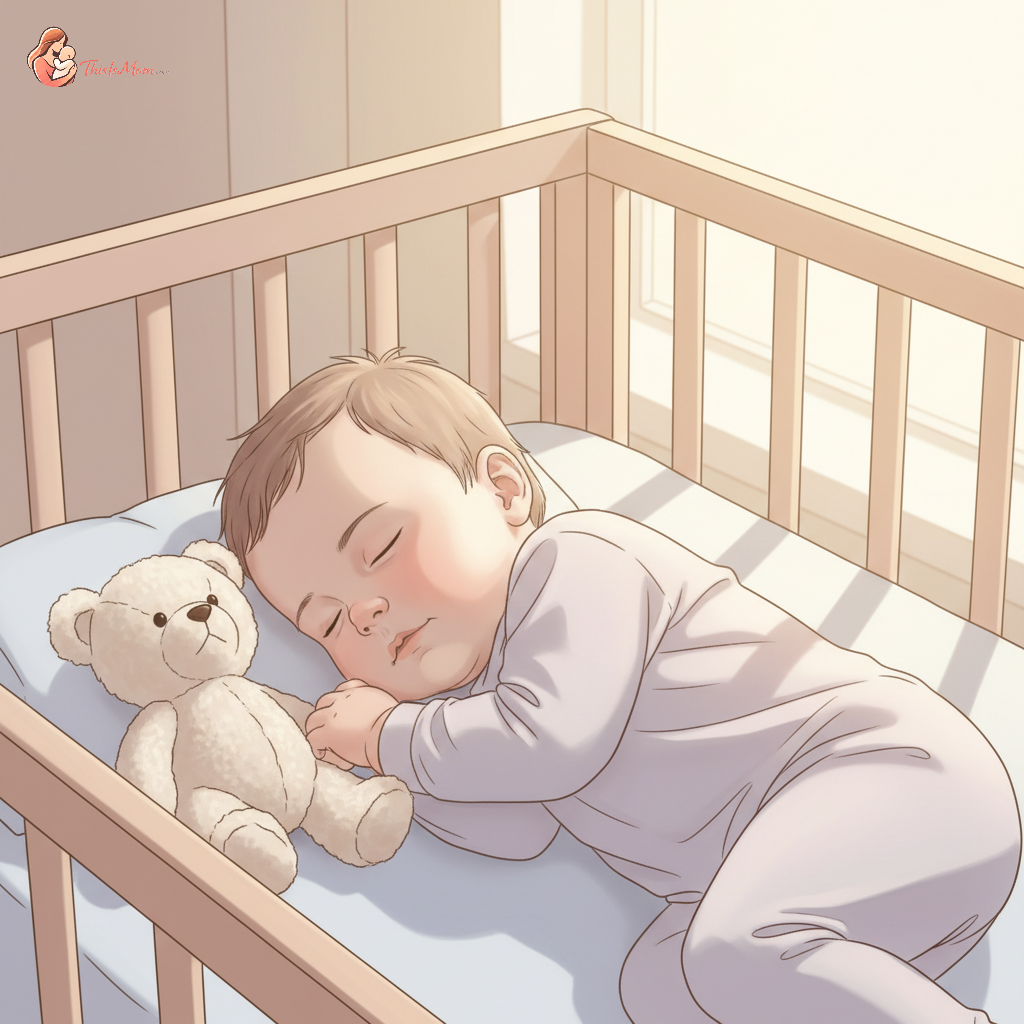
Getting Your Baby’s Sleep Back on Track After Holiday Travel
Your baby’s sleep schedule is a delicate ecosystem, and holiday travel often feels like a category-5 hurricane hitting it. One minute you’re in your cozy routine, and the next, you’re navigating time zone changes, late-night flights, and unfamiliar surroundings. If you’re wondering how to help your little one adjust and re-establish their sleep schedule after holiday travel, you're not alone. This guide offers research-backed strategies to gently steer your baby back to restful nights.
Why Travel and Time Zones Can Seriously Mess with Baby Sleep
Understanding why travel is so disruptive is the first step to effective re-adjustment. It’s not just about being tired; it’s a biological and environmental mismatch.
The Impact of Time Zone Changes on Infants
For babies, adjusting to time zone changes can be particularly challenging. Their internal body clock, known as the circadian rhythm, is still developing and relies heavily on consistent cues from the environment, like light and dark. When you cross time zones, these cues are suddenly out of sync with their internal clock. This can lead to what’s often called "jet lag baby crying at night."
The American Academy of Pediatrics (AAP) notes that while babies are resilient, sudden shifts can lead to fussiness, difficulty settling, and disrupted sleep patterns. The key factor is the disruption of their established rhythm.
How Schedule Shifts Affect Sleep Routines
Beyond time zones, holiday travel often involves significant changes to a baby's typical daily schedule. Late nights, early mornings, naps in car seats or strollers instead of cribs, and altered feeding times all contribute to confusion. Even small deviations from a routine can make it harder for babies to transition back when you return home.
Holiday Travel vs. Everyday Disruptions
While a slightly later bedtime for a special occasion might be manageable, prolonged travel and exposure to multiple disruptions are different. The cumulative effect of different time zones, changes in feeding and napping, and perhaps a more relaxed approach to screen time or bedtime routines during a vacation can create a larger sleep debt and a more significant re-adjustment period upon return.
Preparing for the Return: Setting the Stage for Sleep Success
The good news is that you can do some groundwork before you even leave your travel destination to ease the transition back home.
Easing Back into Routine Before You Leave
If possible, a day or two before your return trip, start gently nudging back toward your home routine. This might mean trying to align meals and naps closer to their usual times, even if it feels a bit artificial. This isn't about rigid adherence, but about signaling to your baby that a return to normalcy is approaching.
Adjusting Light Exposure on Travel Days
Light is a powerful regulator of the circadian rhythm. On your travel days, try to expose your baby to natural daylight during the hours that correspond to daytime at home. In the evening, create a dim, calming environment to encourage sleep, even if it’s still light outside in your new time zone. Mayo Clinic often emphasizes the role of light exposure in regulating sleep patterns for all ages.
Partial Time-Zone Shifts During Travel
For longer trips or when crossing multiple time zones, some parents find it helpful to begin shifting their baby's schedule slightly even before they leave their destination to align with their home time. For instance, if flying east, you might start moving bedtime and wake-up times an hour earlier each day for a couple of days prior. This can lessen the shock of the full time difference upon arrival back home.
Gentle Ways to Re-Establish Your Baby’s Sleep Schedule
Once you’re home, consistency and patience are your best friends. Here are practical ways to help your baby adjust.
Prioritize Consistent Wake Windows and Bedtimes
The most crucial step is to re-establish your baby's usual wake windows and bedtime as quickly as possible. Wake windows are the periods a baby can comfortably stay awake between sleep sessions. Sticking to these, and ensuring a consistent, calming bedtime routine, helps signal to your baby that it’s time to wind down.
- Consistent Wake-Up: Aim for a consistent wake-up time each morning, even if your baby slept poorly.
- Calming Bedtime Routine: This might include a bath, a story, quiet cuddles, and a gentle lullaby.
- Nap Schedule: Try to offer naps at their usual times, even if they are shorter initially.
Leveraging Light and Dark for Circadian Rhythm Reset
This is key for tackling child jet lag returning home. Once you are back in your home time zone:
Discover your baby's phase
- Morning Light: Expose your baby to bright, natural light as soon as possible after waking up. Open curtains, go for a walk, or play near a sunny window.
- Daytime Activity: Keep things active and engaging during daylight hours.
- Evening Dimming: In the hours leading up to bedtime, significantly dim the lights in your home. Avoid bright screens.
The Role of Feeding Schedules in Sleep Re-adjustment
Consistent feeding times can also support a regular sleep schedule. Ensure your baby is getting adequate nourishment during the day and isn't going into nighttime excessively hungry, which can lead to early wakings. If sleep is a significant issue, discuss feeding patterns with your pediatrician.
How to Handle Night Wakings and Crying
It's common for babies to experience more night wakings and crying during this adjustment period. Research suggests responding with a calm, consistent approach.
- Assess Briefly: When your baby cries, a quick check to ensure they are not hungry, wet, or in discomfort is enough. Avoid turning on bright lights or engaging in a lot of interaction.
- Comfort Briefly: Offer a quiet cuddle or a shushing sound, but try to minimize the stimulation. The goal is to reassure them without reinforcing the waking.
- Put Back to Sleep: Place your baby back in their crib drowsy but awake, so they can practice falling asleep independently.
This approach helps manage "jet lag baby crying at night" by showing them that night wakings are for sleeping, not for extended playtime.
Tackling Specific Challenges: International Travel and Toddler Regressions
Different travel scenarios call for slightly different approaches.
Getting Baby Back on Sleep Schedule After International Travel
International travel, with its significant time zone shifts, often requires a bit more patience. The principles are the same, but expect the adjustment to potentially take a day or two longer per time zone crossed. Focus on consistency with light exposure and your home time zone’s schedule upon arrival. Don't be afraid to be a little more lenient with naps if it means ensuring a solid bedtime.
Addressing Toddler Sleep Regression After Vacation
Toddlers are not immune to sleep disruptions. A vacation can easily trigger a toddler sleep regression after vacation. They may suddenly become resistant to bedtime, wake more frequently, or have difficulty settling.
- Reinforce Bedtime: Stick to your established bedtime routine as strictly as possible.
- Offer Choices (Within Limits): Allow your toddler to choose between two books or two pajamas to give them a sense of control.
- Daytime Connection: Ensure plenty of quality connection time during the day to help them feel secure.
When to Stick to Your Guns vs. When to Be Flexible
There's a balance. While consistency is key, especially with bedtime routines and wake-up times, there are moments for flexibility. If your baby is clearly overwhelmed or overtired, a slightly earlier bedtime might be more beneficial than forcing them to stay awake. The AAP recommends observing your child’s cues.
Patience and Consistency: The Keys to Getting Back on Track
Re-establishing sleep patterns after travel is a process, not an event.
How Long Does It Really Take to Adjust?
A general rule of thumb provided by sleep experts is that it can take approximately one day per time zone crossed for a complete adjustment. For example, a three-hour time difference might mean about three days for full adjustment. However, this varies greatly from child to child. Some babies bounce back in a day, while others might take a week.
The most important factor is your consistent approach. Stick to your established routines as much as your baby's cues allow.
When to Call Your Pediatrician About Persistent Sleep Issues
Most sleep disruptions tied to travel are temporary. However, if your baby exhibits any of the following signs, it’s a good idea to connect with your pediatrician:
- Persistent crying or irritability that isn’t easily soothed.
- Significant changes in appetite or feeding.
- Fever or other signs of illness.
- Sleep issues that do not improve after two weeks of consistent effort.
Your pediatrician can rule out any underlying medical issues and offer personalized advice for your child’s specific situation.
Navigating sleep after travel is a common parenting challenge. By understanding the reasons behind the disruption and applying gentle, consistent strategies, you can help your baby (and yourself) find peace and restful sleep once more.