Rebuild Core Strength After Diastasis Recti C-Section
Discover safe and effective strategies to rebuild abdominal strength after a C-section, especially with diastasis recti. Learn exercises, timing, and when to seek expert help.
Rebuilding Your Core: How to Rebuild Abdominal Strength After Diastasis Recti C-Section
It's completely normal to wonder about your body's journey after a C-section, especially when you're also navigating diastasis recti. The strength you once took for granted can feel distant, and the idea of rebuilding your core can seem daunting. You're not alone in this; many mothers find themselves in a similar space as they heal.
Your C-section is a significant physical event, and your abdominal muscles have been stretched and then cut. Diastasis recti, or the separation of the abdominal muscles, is incredibly common after pregnancy and childbirth, and it can be exacerbated by a C-section. Understanding these two things together is your starting point for a gentle and effective recovery.
The Two Sides of Your Healing Story
What is diastasis recti, and why is it so often part of the C-section recovery narrative? Diastasis recti is the separation of the rectus abdominis muscles, which run from your ribs to your pubic bone. During pregnancy, your connective tissue (the linea alba) between these muscles stretches to accommodate your growing baby. For many women, this separation doesn't fully resolve after birth.
A C-section adds another layer. Your abdominal muscles are not just stretched; they are cut through. This means your healing process involves not only the resolution of diastasis recti but also the mending of surgical incisions and the recovery of those deeper muscle layers. Navigating this initial C-section healing alongside your diastasis recti concern requires patience and a focus on safe, gradual progress.
Timing Your Return to Strengthening
So, when can you actually start working on regaining what feels lost? This is a question I hear often, and the answer is nuanced.
How long does diastasis recti take to heal after a C-section? It varies greatly. For some, the separation will significantly improve on its own within the first few months postpartum. For others, especially with a C-section involved, it might take much longer or require specific interventions. There isn't a magic timeline, but consistent, appropriate exercise can certainly support the process. You can learn more about how to exercise pelvic floor with stage one prolapse postpartum to support your recovery.
How long does it take to regain core strength after a C-section, particularly with diastasis recti? Again, this is highly individual. The focus initially isn't on rapid strength gains but on re-establishing proper muscle function and connection. This can take months, and sometimes years, of consistent effort.
Cleared by your doctor: This is the absolute, non-negotiable first step. Before beginning any specific exercises to address diastasis recti after a C-section, it is crucial to have your healthcare provider's explicit approval. They will assess your surgical incision, examine your abdomen, and give you the green light to begin a gentle strengthening program. This ensures you're not pushing too hard, too soon.
Building From the Ground Up: Gentle Beginnings
Your journey back to core strength starts with the deepest layers of your abdominal wall – the muscles that act like an internal corset.
- Pelvic floor breathing is your secret to starting slow. This isn't just about breathing; it's about connecting with your pelvic floor muscles. As you exhale, gently imagine drawing your pelvic floor muscles inward and upward, and simultaneously, feel your deep abdominal muscles engage slightly. This is the most foundational movement you can do.
- Transverse abdominis activation is about finding that deep core connection. After you've practiced pelvic floor breathing, focus on that gentle inward pull as you exhale. It's a subtle hug of your belly button towards your spine, not a forceful suck-in. You're trying to wake up the muscle that wraps around your midsection.
- The 'no-crunch' rule is essential in these early stages. Traditional abdominal exercises like crunches or sit-ups can actually worsen diastasis recti because they place too much outward pressure on the abdominal wall. Your focus needs to be on exercises that draw your core inward, not push it outward.
Moves That Nurture, Not Demand
Discover your baby's phase
Once you have clearance and understand the foundational movements, you can begin incorporating specific exercises. These moves are designed to be safe and effective for diastasis recti after C-section by focusing on deep core engagement.
Here are some physical therapy-approved moves for DR after C-section:
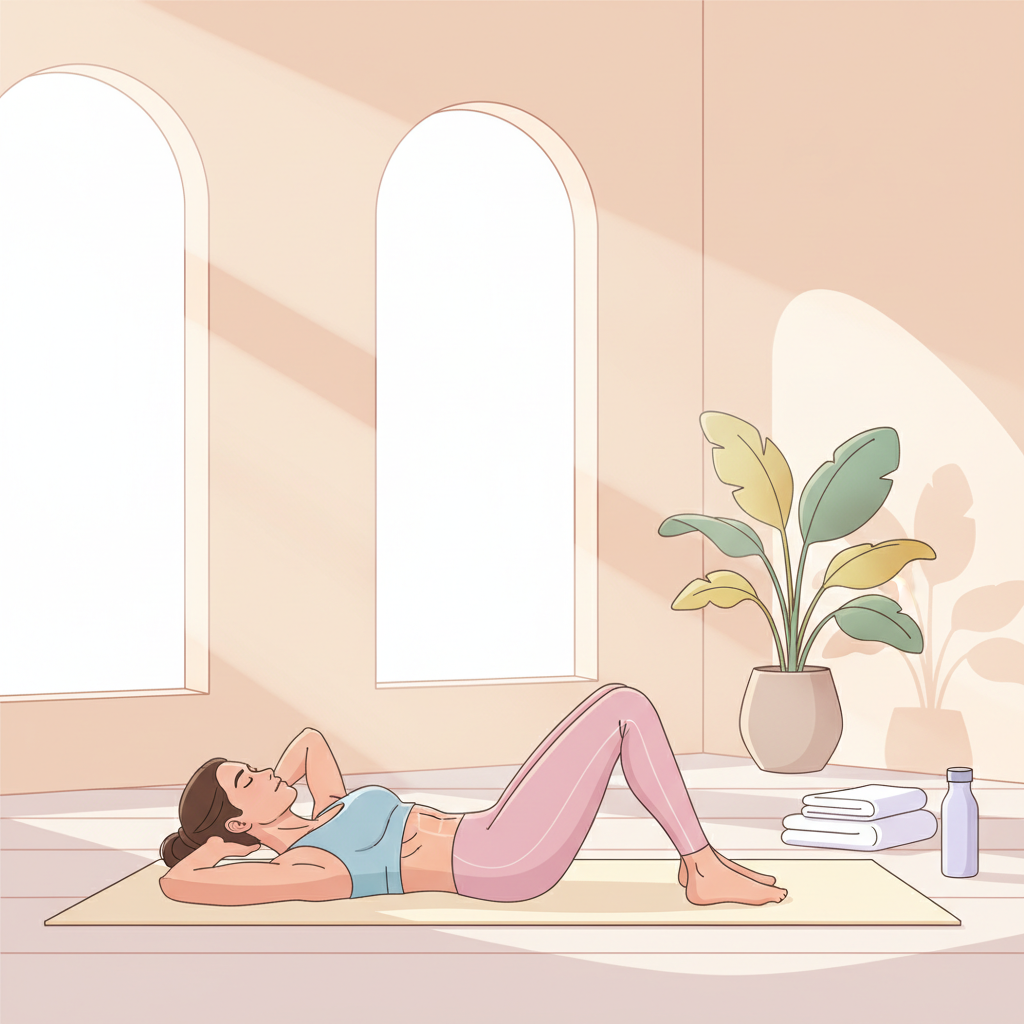
- Pelvic Tilts: Lie on your back with knees bent and feet flat on the floor. Gently flatten your lower back against the floor by engaging your abdominal and pelvic floor muscles, then release.
- Heel Slides: Lie on your back with knees bent. Keeping your deep core engaged, slowly slide one heel away from you, then return. Alternate legs.
- Bird-Dog: Start on your hands and knees. Keeping your core stable and back flat, slowly extend one arm forward and the opposite leg backward. Avoid arching your back or letting your belly sag.
- Modified Plank: Start on your hands and knees, or for more challenge, on your forearms and knees. Engage your core to create a straight line from your head to your knees. Hold for a few seconds, focusing on maintaining the inward core hug.
Progressing your exercises means truly listening to your body. Start with very few repetitions and gradually increase as you feel stronger and more connected. The goal isn't to push through pain but to build strength with mindful effort.
Proper form is key to ensuring you're working the right muscles and not exacerbating any separation. Pay close attention to how your abdomen looks and feels. You want to avoid 'doming' – that visible bulging or coning of your abdomen down the midline. If you see or feel doming, you're likely putting too much outward pressure on your linea alba. Ease up, reduce the range of motion, or go back to more foundational exercises. You can also find helpful tips in articles about gentle labor induction tips at 39 weeks: natural methods.
More Than Just Movement: Supporting Your Core
Your core is more than just the muscles you work out. Lifestyle habits play a significant role in your recovery.
- The role of posture in DR recovery cannot be overstated. When you sit or stand with good alignment, your deep core muscles are naturally engaged in supporting your spine. Slouching can put extra strain on your abdominal wall. Be mindful of your posture throughout the day, especially when lifting or carrying your baby.
- Support garments can be helpful for some, offering a sense of stability and support as you move. However, they are not a magic fix and shouldn't be relied on long-term as a substitute for rebuilding your own strength. Discuss options with your healthcare provider or a pelvic floor physical therapist.
- Hydration and nutrition are also vital for tissue repair. Your body needs adequate fluids and nutrients to heal the connective tissue and muscle fibers. Think of it as providing the building blocks for your recovery. Remember to also consider HSA eligible expenses for common childhood illnesses: parent's guide to help with any unexpected medical costs during recovery.
Knowing When to Seek More Help
While many women can make significant progress with a guided exercise program, there are times when professional support makes all the difference.
Signs you might need professional guidance include persistent pain, a feeling of heaviness or bulging in your pelvic area, continued significant doming during exercises, or a lack of progress despite consistent effort. Don't hesitate to reach out for help if something feels off.
Finding a qualified pelvic floor physical therapist is invaluable. These specialists are trained to assess and treat conditions like diastasis recti, even after a C-section. They can provide a personalized exercise plan and manual therapy to help you heal effectively. Look for someone experienced in postpartum recovery and C-section rehabilitation. You might also find comfort in exploring reducing prenatal appointment anxiety after previous miscarriage if you have any lingering anxieties from your pregnancy journey.
Long-term core health is a lifelong practice. Think of this phase of recovery as laying the foundation for a strong, functional core that will support you through all the demands of motherhood and beyond.
Your body has done something incredible, and it is capable of healing and rebuilding. Trust the process, honor your body's signals, and give yourself grace. You've got this.