Safe Overnight Sleep for Infants While Traveling: No Crib?
Traveling with an infant and no crib? Discover safe overnight sleep arrangements for your baby, including approved portable solutions and hotel tips.
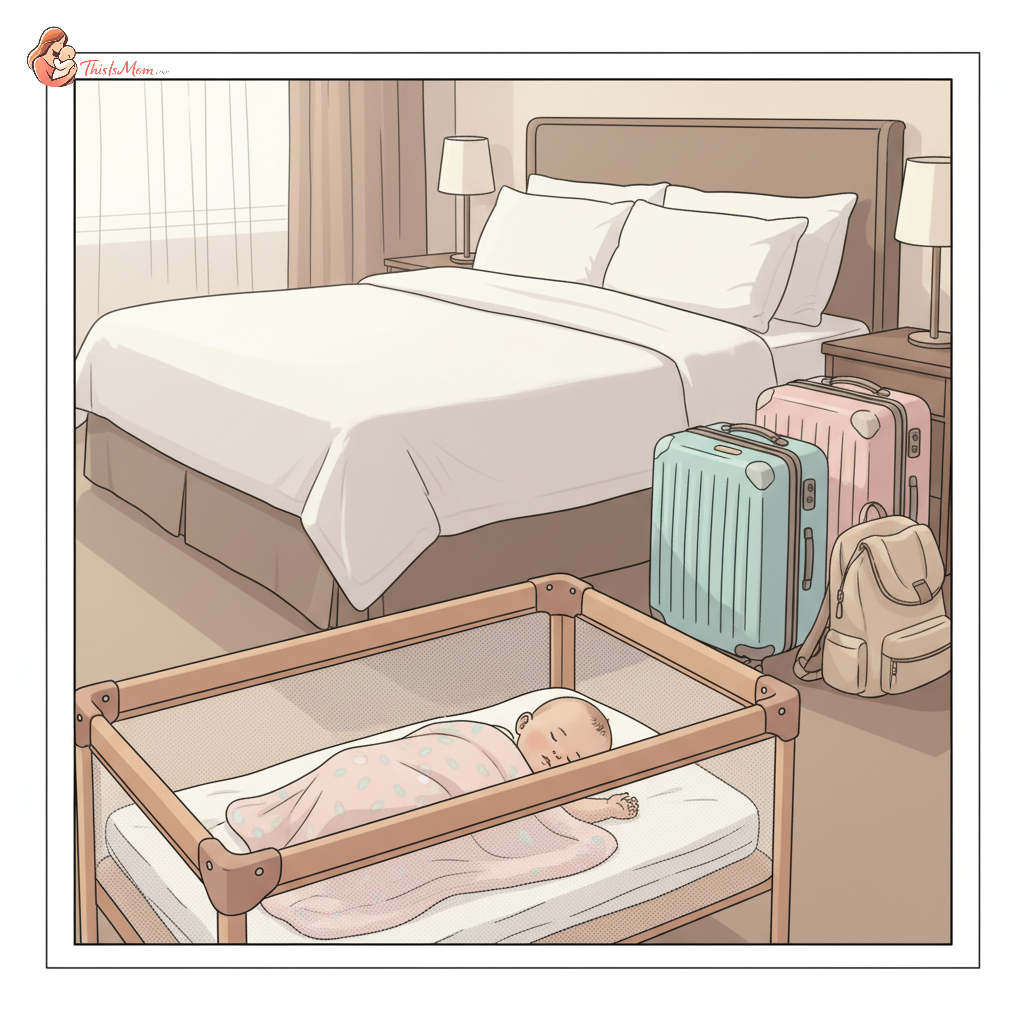
Safe Overnight Sleep: Traveling with Your Infant When a Crib Isn't Available
Your baby is in a new environment with strange sounds and a different sleep surface. Are you worried about their safety overnight when you’re away from their familiar crib? It’s a valid concern for many parents. Ensuring safe overnight sleep arrangements for travel with an infant is paramount, even when you can’t bring your usual setup. The goal remains the same: a rested baby and peace of mind for you, all while adhering to the guidelines that protect our little ones.
Why Safe Sleep Matters, No Matter Where You Are
The American Academy of Pediatrics (AAP) has clear recommendations for safe infant sleep. These guidelines are designed to reduce the risk of Sudden Infant Death Syndrome (SIDS) and other sleep-related infant deaths. The core principles are often referred to as the 'ABCs' of safe sleep: Alone, on their Back, in a Crib (or other safe sleep surface).
This means an infant should sleep alone in their own sleep space, without any loose bedding, pillows, or stuffed animals. They should always be placed on their back for every sleep, whether it's a nap or overnight. The sleep space should be a firm, flat surface intended for infant sleep.
When we travel, it can be challenging to replicate these conditions perfectly. Unfamiliar surroundings can introduce risks not present at home, such as soft bedding, inclined surfaces, or overcrowded spaces. All of these are associated with an increased risk of sleep-related breathing problems and SIDS. Adhering to safe sleep practices is not just about comfort; it's a critical safety measure based on extensive research.
Approved Portable Sleep Solutions for Travel
Fortunately, several portable options can help you create a safe sleep environment away from home. When choosing a travel sleep solution, the key is to ensure it meets current safety standards.
The most common and widely recommended portable sleep space is a pack n' play or travel crib. These are designed to be lightweight, foldable, and easy to assemble. When selecting one, look for a model that provides a firm, flat mattress base and has high, mesh sides to prevent entrapment. The AAP recommends that any separate sleep product for infants be tested to meet current safety standards.
Portable bassinets can also be an option, particularly for newborns. However, guidelines from the AAP and other organizations emphasize that bassinets should only be used for infants who cannot push up on their hands and knees. It’s crucial to check the specific weight and development limits for any portable bassinet and to never use soft bedding or add extra padding. The sleep surface must be firm and flat.
What should you avoid? Anything not specifically designed and tested as a safe sleep product for infants. This includes adult beds, sofas, or recliners where an infant could become trapped or suffocate. Similarly, inclined sleepers or products with soft sides are not recommended by the AAP for overnight sleep due to suffocation risks. Always prioritize a firm, flat sleeping surface with no loose items.
Navigating Hotel Stays & Rental Homes Without a Crib
When you book a hotel or rental, a crib might not be automatically provided or may not be up to current safety standards. You have a few choices to consider for your baby's overnight sleep.
Discover your baby's phase
One option is to request a crib from the hotel. Many hotels offer cribs, but their age and safety can vary. It’s a good idea to call ahead and ask about their cribs, and ideally, inspect it upon arrival to ensure it has a firm mattress and no visible damage or loose parts. Some parents prefer to bring their own travel crib or travel bassinet to ensure a familiar and safe sleep surface. The pro of this is guaranteed safety and familiarity for your baby. The con is the added bulk and effort of transporting it.
Can your baby sleep overnight in a pack n' play? Yes, a pack n' play is generally considered a safe sleep surface if it is used according to the manufacturer’s instructions and meets current safety standards. Ensure the mattress is firm and flat, and don't add any extra padding or bedding.
Once you’re in your hotel room or rental, do a quick safety sweep. Clear the immediate sleep area of any potential hazards like cords, loose blankets, or small objects. If the provided bed is too soft or unsafe, and you haven’t brought a portable solution, you might need to consider having your infant sleep in a carrier on the floor (supervised and with the carrier in an upright position) or, as a last resort with extreme caution and vigilance, in your bed, ensuring no soft bedding is present and you are not drowsy or impaired. However, the safest approach is always a separate, dedicated infant sleep space.
Adapting to Different Ages: From Newborn to 1 Year Old
Safe sleep recommendations evolve slightly as your child grows, but the core principles remain consistent.
For newborns and safe sleep on the go, a portable bassinet or a pack n’ play is well-suited. Newborns are least mobile and benefit from the closeness a bassinet can offer within your room. It’s crucial to exclusively use the firm, flat mattress provided with the bassinet and to keep the area clear of any loose items.
For infants between 6 to 12 months, they are typically more mobile, rolling or attempting to push up. This is where the ABCs are even more critical. A pack n’ play or travel crib becomes the primary safe sleep recommendation. The mesh sides help prevent them from getting stuck, and the firm surface is essential. While they are still in this age bracket, the recommendation for a separate sleep space is still in effect.
When considering where does a 1-year-old sleep when traveling? At this age, they are often transitioning out of cribs at home. However, for travel, a pack n’ play or travel crib remains the safest option. They are still at risk for SIDS and other sleep-related deaths, and a designated, safe sleep space is necessary. Ensure the pack n’ play is suitable for their weight and mobility. If they are in a toddler bed at home, you might consider a travel bed if you have enough space and can guarantee a safe room environment, but a pack n’ play is often simpler and more secure for hotel rooms.
Common Travel Scenarios & Safe Sleep Hacks
Understanding different travel situations can help you plan effectively.
One common question is about room-sharing vs. a separate room. The AAP recommends that infants sleep in their parents' room, close to their bed, for at least the first six months, and ideally, for the first year. This room-sharing arrangement, with the infant in their own safe sleep space, has been shown to reduce the risk of SIDS by as much as 50%. A pack n’ play or travel bassinet is ideal for this in a hotel room.
If you are room-sharing, follow these safety tips:
- Always place your baby on a firm, flat sleep surface like a crib, bassinet, or pack n’ play.
- Keep the sleep surface free of soft bedding, blankets, pillows, bumpers, and toys.
- Ensure your baby is placed on their back for all sleep.
- Avoid overheating your baby; dress them in appropriate sleep clothing and keep the room at a comfortable temperature.
- Never place your baby on a sofa, armchair, or adult bed.
These principles apply whether you are at a hotel, visiting family, or on any other trip. Prioritizing these fundamental safety measures will help ensure your baby sleeps soundly and safely, no matter where your adventures take you. This can help you feel more confident about safe sleep travel options for your family.
When in doubt about the best and safest sleep arrangements for your specific travel situation or your child’s needs, the best resource is always your pediatrician. They can offer personalized guidance based on your child’s age, health, and your travel plans. Safe sleep is a journey, and preparing ahead of time can make all the difference.