Safe Way to Offer Nut Butter to Baby with Allergy Risk
Learn how to safely introduce nut butter to your baby, especially if they are at risk for allergies. Get expert tips on timing, preparation, and monitoring reactions.
- Existing Eczema: Babies with moderate to severe eczema are often considered at higher risk for developing food allergies, including peanut allergy. If your baby has eczema, it’s especially important to discuss allergen introduction with your pediatrician. The LEAP (Learning Early About Peanut allergy) trial gave us strong evidence that introducing peanut protein early can prevent peanut allergies. For babies with eczema, particularly moderate to severe cases, it is recommended to consult with a pediatrician before introducing peanut butter, as they might suggest allergy testing first. This is part of a broader approach to managing potential food sensitivities in infants.
- Family History: A family history of food allergies, asthma, or eczema (known as the "atopic triad") can also increase a baby's risk. If a sibling or parent has a diagnosed food allergy, your baby may be more susceptible. The research suggests that for many babies, including those at higher risk, introducing allergenic foods, like peanut protein, between 4-6 months of age, alongside other solid foods, is now widely recommended. This is a significant change from older advice, which advocated for delaying these introductions. The thinking is that by introducing these proteins early and consistently, the immune system can become accustomed to them, potentially leading to tolerance rather than an allergic response. Furthermore, understanding your baby’s overall risk factors is crucial when considering the introduction of homemade baby food purees to boost iron for a breastfed infant or other potentially allergenic foods.
When to Introduce Nut Butter: Timing is Key
The optimal time to introduce peanut butter and other common allergens is generally between 4 and 6 months of age. The AAP and other leading health organizations recommend this window. Before you introduce any allergenic food, it's crucial to ensure your baby is ready for solids in general. The guidelines suggest looking for these signs of readiness:
- Your baby can sit up with support and has good head control.
- Your baby shows interest in food, watching you eat and reaching for it.
- Your baby can move food from the front of their mouth to the back for swallowing (less tongue-thrusting reflex).
If your baby is exhibiting these signs and is between 4-6 months old, it’s a good time to consider introducing peanut butter. For those with a history of severe eczema or an egg allergy, the AAP recommends discussing introducing peanut protein with your pediatrician first, as they may suggest an allergy assessment before your baby tries peanut butter.
The Safe Preparation Playbook: How to Offer Nut Butter
Offering nut butter needs careful preparation to be safe for infants. It’s not as simple as handing over a spoon of straight peanut butter.
Choosing the Right Nut Butter
When you’re at the grocery store, look for all-natural peanut butter. This typically means the ingredients list will only contain peanuts and possibly a small amount of salt. Avoid nut butters with added sugars, hydrogenated oils, or other unnecessary ingredients. Also, ensure the jar is well-mixed, as oil separation is normal for natural products.
Safe Consistency for Little Mouths
The biggest safety concern with peanut butter is its sticky nature, which can pose a choking hazard for babies. The guidelines emphasize never giving your baby peanut butter straight from the jar or in thick, pasty form.
To make it safe, you need to thin it out. Here are a couple of recommended methods:
- Mix with Baby Cereal: Combine 1-2 teaspoons of smooth peanut butter with 2-3 tablespoons of iron-fortified infant cereal (like oatmeal or barley cereal) and mix with breast milk or formula (or warm water) until it has a thin, spoonable consistency. This offers a dual benefit of introducing an allergen and ensuring your baby gets enough iron, crucial for breastfed babies.
- Mix with Puree: Blend 1-2 teaspoons of smooth peanut butter into a smooth fruit or vegetable puree that your baby has already tolerated well.
- Thin with Liquid: Mix 1-2 teaspoons of smooth peanut butter with a few tablespoons of warm breast milk, formula, or water. Stir until it’s the consistency of thin yogurt or heavy cream.
The goal is a consistency that is easily swallowed and not sticky.
Recommended Portion Sizes
For the first introduction, start small. A pea-sized amount is sufficient. If your baby tolerates this well, you can gradually increase the amount over subsequent feedings. The AAP suggests offering about 2 teaspoons of peanut butter (in its thinned, safe form) spread throughout the day, a few times a week, once a baby is regularly eating solids.
First-Time Introduction Day: What to Expect & Monitor
Introducing a new, potentially allergenic food warrants a bit of planning to ensure you can observe your baby closely.
Best Time and Place
Choose a time when your baby is well-rested and fed but not completely full. Mid-morning or lunchtime is often ideal. This allows you to monitor for any reactions throughout the day. Do the first introduction at home, not at a daycare or public place, so you can react promptly if needed. Offering a new food like nut butter is a significant step, much like introducing homemade baby food purees to boost iron for a breastfed infant, and requires careful observation.
Discover your baby's phase
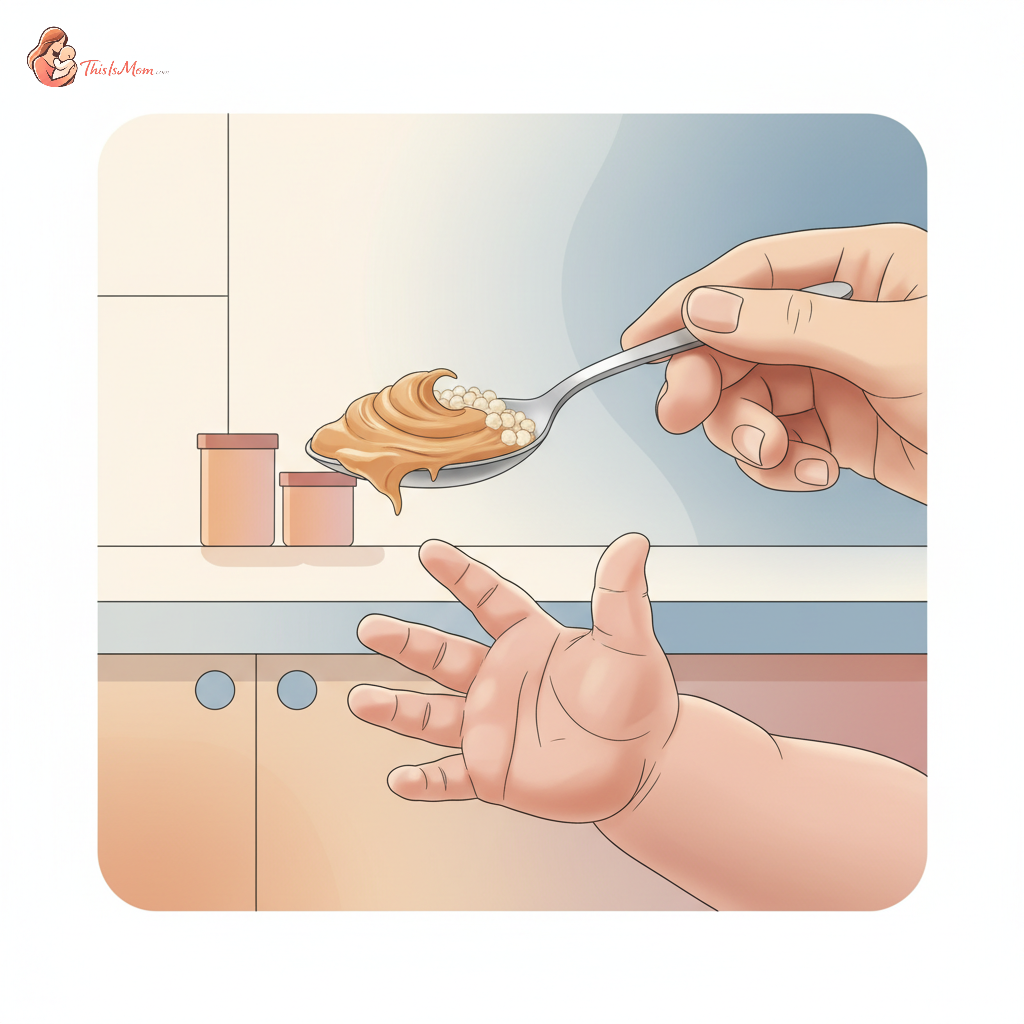
Offer the thinned nut butter on a clean spoon, or you can mix it into a familiar food like cereal or applesauce.
Recognizing the Signs of an Allergic Reaction
Allergic reactions can vary from mild to severe. The research suggests being aware of these common signs:
- Skin Reactions: Hives (raised, red, itchy bumps), rash, or swelling of the face, lips, or tongue.
- Digestive Issues: Vomiting, diarrhea, or stomach pain.
- Respiratory Symptoms: Runny nose, sneezing, coughing, wheezing, or difficulty breathing.
- Behavioral Changes: Unusual fussiness or lethargy.
A severe allergic reaction, known as anaphylaxis, can occur rapidly and include symptoms like difficulty breathing, swelling of the throat, a sudden drop in blood pressure, and loss of consciousness. This is a medical emergency.
What to Do If Baby Has a Reaction
If you notice any mild signs of a reaction (like a small rash), stop giving the food and contact your pediatrician. They will advise you on the next steps, which might include giving an antihistamine or observing further.
If you observe any signs of a severe reaction, such as difficulty breathing, significant swelling, or change in consciousness, call 911 or go to the nearest emergency room immediately.
Beyond the First Taste: Ongoing Exposure for Prevention
Introducing peanut butter once is not enough; consistent exposure is key for allergy prevention.
How Often to Offer Nut Butter
Once your baby has tolerated the initial introduction, it’s recommended to offer peanut butter regularly. The guidelines often suggest offering about 2 teaspoons of peanut butter (in its safe, thinned form) about 3 times per week. This consistent exposure is believed to be crucial for developing tolerance.
Does Introducing Peanut Butter Early Prevent Allergies?
The science strongly suggests that yes, introducing peanut protein early and regularly can help prevent the development of peanut allergies in infants, including those at higher risk. Landmark studies, like the LEAP (Learning Early About Peanut allergy) trial, provided significant evidence for this approach, which has now informed current guidelines from major health organizations. This proactive approach mirrors the goal of introducing nutrient-rich foods early, such as homemade baby food purees to boost iron for a breastfed infant, to support optimal development.
Tips for Incorporating Nut Butter Regularly
Making nut butter a regular part of your baby's diet can be easy. Remember to always serve it in a safe, thinned consistency.
Here are some ways to incorporate it:
- In purees: Mix into mashed bananas, sweet potato, or avocado.
- With cereal: Stir into oatmeal, barley, or other infant cereals. This is a great way to ensure they are getting iron regardless of whether they are breastfed or formula-fed.
- On teething crackers: Spread thinly on baby-safe teething crackers once your baby is ready for them.
- As a dip: Offer a small amount of thinned nut butter for them to dip soft fruits or veggies into.
Making allergen introduction a part of your baby’s routine can make it less daunting. Remember to introduce only one new allergenic food at a time, waiting 2-3 days between new introductions, so you can easily identify any potential reactions.
Navigating the world of infant nutrition, especially concerning allergies, can feel complex. By following the current guidance on safe preparation and consistent introduction, you can confidently offer new flavors and textures to your baby while promoting their long-term health. Always remember that your pediatrician is your best resource for personalized advice regarding your child's specific health needs and any concerns you may have.