Safely Storing Breast Milk: Combine Pumping Sessions & Days
Learn how to safely store and combine breast milk from different pumping sessions and days, including the pitcher method and essential CDC/AAP guidelines.
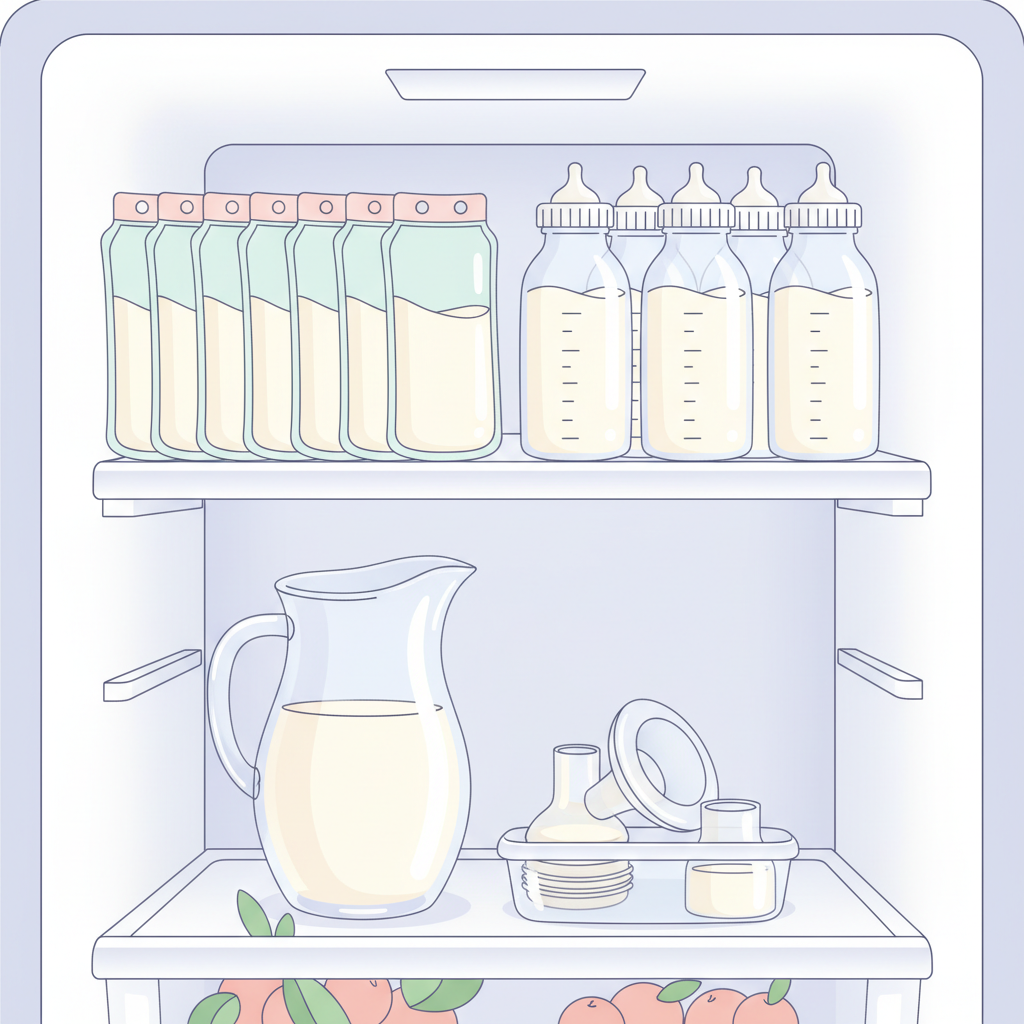
Safely Storing Breast Milk Collected from Different Pumping Sessions
Are you diligently pumping to build a milk stash for your baby? A common question arises: Can you safely store breast milk collected from different pumping sessions by combining them? Thankfully, guidelines exist to help you maximize your milk stash while prioritizing your baby's health.
Why Mixing Your Milk Safely Matters
Building a breast milk supply can feel like a significant task. Combining milk from different pumping sessions can streamline the process, consolidating your hard-earned liquid gold into fewer containers. This is especially helpful if you have limited freezer or refrigerator space or manage multiple small pump collections.
However, simply combining milk without proper technique can lead to spoilage. The key concern is maintaining the milk's safety, ensuring that any bacteria introduced during pumping or handling are kept to a minimum. Understanding breast milk storage prevents waste and ensures your baby receives nutritious, safe milk.
The Golden Rule: Temperature Equalization First
One of the most important principles when combining breast milk from different pumping sessions relates to temperature. Guidelines from organizations like the Centers for Disease Control and Prevention (CDC) emphasize that you should never mix warm, freshly pumped milk with already chilled or frozen milk.
Warm milk can raise the temperature of older, refrigerated milk, potentially bringing it into the "danger zone" where bacteria multiply more rapidly, compromising the milk's safety.
Here’s how to safely combine new milk with your existing stash:
- Gather your freshly pumped milk.
- Allow it to cool down to refrigerator temperature. The CDC suggests cooling it in the refrigerator for at least an hour before combining it with previously chilled milk.
This step is crucial for preventing bacterial growth and preserving the quality of your entire milk supply.
Combining Milk from Different Pumping Sessions and Days
Once you understand the temperature rule, you can start combining milk more strategically.
Mixing Milk from the Same Day
Guidelines generally allow you to mix breast milk from different sessions on the same day, provided the milk is properly cooled first. After you pump, chill the fresh milk in the refrigerator before adding it to the container holding milk pumped earlier that same day.
Think of your refrigerator as the primary holding area for milk you intend to combine. Pump, then promptly chill the new milk before adding it to the container holding milk pumped earlier.
Can You Mix Breast Milk from Different Days?
According to the American Academy of Pediatrics (AAP), it is generally permissible to combine breast milk from different pumping sessions across multiple days, but with important caveats centered around proper cooling and storage. The milk you are adding to must be properly chilled, and the milk you are adding must also be promptly chilled.
All milk within a single container should ideally have been stored for the same amount of time, or at least start from the same point of refrigeration. If you are building a larger stash over several days, ensure each addition to a container is cooled first.
The '4-4-4 Rule' for Breast Milk Storage
A useful rule of thumb for understanding breast milk storage is the '4-4-4 Rule'. While not a strict guideline for combining, it helps clarify how long milk remains safe in different conditions:
- 4 hours at room temperature (if freshly pumped and not yet chilled).
- 4 days in the refrigerator (once properly chilled).
- 4 months in a standard freezer. (Deep chest freezers can extend this to 6-12 months.)
This rule highlights the importance of moving milk to colder storage as quickly as possible and reinforces that milk stored for varying lengths of time requires careful handling when combined. Always add newly pumped milk to the oldest milk if possible to ensure you use the milk with the shortest shelf life first.
Understanding the 'Pitcher Method' for Combining Milk
Many breastfeeding and pumping parents use the "breast milk pitcher method" for efficiently combining milk from multiple pumping sessions.
What It Is and Who It's For
The pitcher method involves using a single, clean container, often called a breast milk pitcher, in the refrigerator. As you pump throughout the day, you cool the fresh milk and then add it to the pitcher containing milk pumped earlier that day. This simplifies storage and reduces the number of smaller bottles or bags you need to manage in the fridge.
This method is particularly beneficial for:
Discover your baby's phase
- Exclusive pumpers.
- Parents who pump multiple times a day.
- Those looking to consolidate their refrigerated milk stash.
CDC Guidelines for the Pitcher Method
The CDC provides clear guidance on safe breast milk storage, which applies directly to the pitcher method:
- Ensure the pitcher is clean and has a lid.
- Cool freshly pumped milk in separate containers in the refrigerator before adding it to the pitcher of older milk.
- Once the milk is combined in the pitcher, it is considered to have the "oldest" date for storage purposes.
- Use the combined milk within the recommended refrigerator storage times (typically up to 4 days once the newest milk has been added and cooled).
Pros and Cons for Pumping Parents
Pros:
- Efficiency: Consolidates milk, saving space and time.
- Convenience: Easier to pour a larger amount for a feed from one pitcher.
- Space-saving: Reduces clutter in the refrigerator.
Cons:
- Temperature Control: Requires diligence in cooling new milk separately before adding it.
- Shelf Life: The entire batch is subject to the discard date of the oldest milk within it.
- Hygiene: Requires scrupulous cleaning of the pitcher.
Labeling and Storing Your Combined Liquid Gold
Proper labeling and storage are non-negotiable when it comes to breast milk. When combining milk, these practices become even more critical.
Essential Labeling for Clarity and Safety
Even when using the pitcher method within a single day, clear labeling is best practice. Some parents label their pitchers with the date the first milk was added. This is a good starting point.
If you are combining milk from different days, it is imperative to label the container with the earliest date of the milk inside. For example, if you add milk pumped on Monday to your pitcher containing milk pumped on Sunday, label the pitcher with Sunday's date. This ensures you are using the milk within its recommended shelf life.
Optimal Storage Containers and Locations
- Containers: Use clean, food-grade containers with tight-fitting lids. Glass or BPA-free plastic pitchers are excellent choices for the pitcher method. Small breast milk storage bags are ideal for freezing longer-term stashes once the milk has been combined.
- Location: Store breast milk in the back of the refrigerator, where the temperature is most consistent and coldest. Avoid storing it in the door, which is subject to more temperature fluctuations. For freezing, a deep chest freezer will keep milk safe for longer than a standard freezer.
How Long Can Combined Breast Milk Be Stored?
Once you combine milk from different pumping sessions into a single container (like a pitcher), the clock for its shelf life starts from the date the oldest milk was added.
- Refrigerated: The AAP states that properly chilled breast milk can be stored in the refrigerator for up to 4 days, starting from the day the first milk was expressed. Some sources suggest up to 8 days under optimal conditions, but erring on the side of caution is always recommended, especially when combining.
- Frozen: Once you freeze combined milk (e.g., transferring from a pitcher to freezer bags), it can be stored for about 6 months in a standard freezer or up to 12 months in a deep chest freezer, according to the CDC. Always aim to use milk frozen within the first 6 months if possible.
When to Talk to Your Pediatrician
While these guidelines are helpful, every baby and feeding journey is unique. There are times when seeking professional advice is the best course of action.
Addressing Specific Concerns About Milk Storage
If you have concerns about your milk supply, pumping equipment, or storage methods that deviate from standard recommendations, consult a lactation consultant or your pediatrician. They can offer personalized advice tailored to your situation. For instance, if you're traveling or have unique storage challenges, they can help you find safe solutions. safely-store-breast-milk-power-outage-hurricane-prep This is where you can learn about how to store milk during emergencies.
Signs Your Stored Milk Might Be Compromised
Trust your senses. If you notice any of the following signs, it's best to discard the milk:
- A sour or rancid smell.
- A change in color that you don't recognize.
- Visible clumping or curdling.
While slightly separated milk with a creamy layer is normal and can be gently swirled, any off odor or spoilage clearly indicates the milk is no longer safe for your baby. When in doubt, discard it.
Navigating the specifics of safely storing breast milk, especially when combining different pumping sessions, involves paying close attention to temperature, timing, and hygiene. By following established guidelines from organizations like the AAP and CDC, you can confidently build and manage your milk stash, ensuring your baby receives the best nutrition possible.