Screen-Free Alternatives for Waiting Rooms with Toddlers
Discover practical, screen-free alternatives for entertaining your toddler in waiting rooms. Get tips on toys, activities, and strategies for a calmer experience.
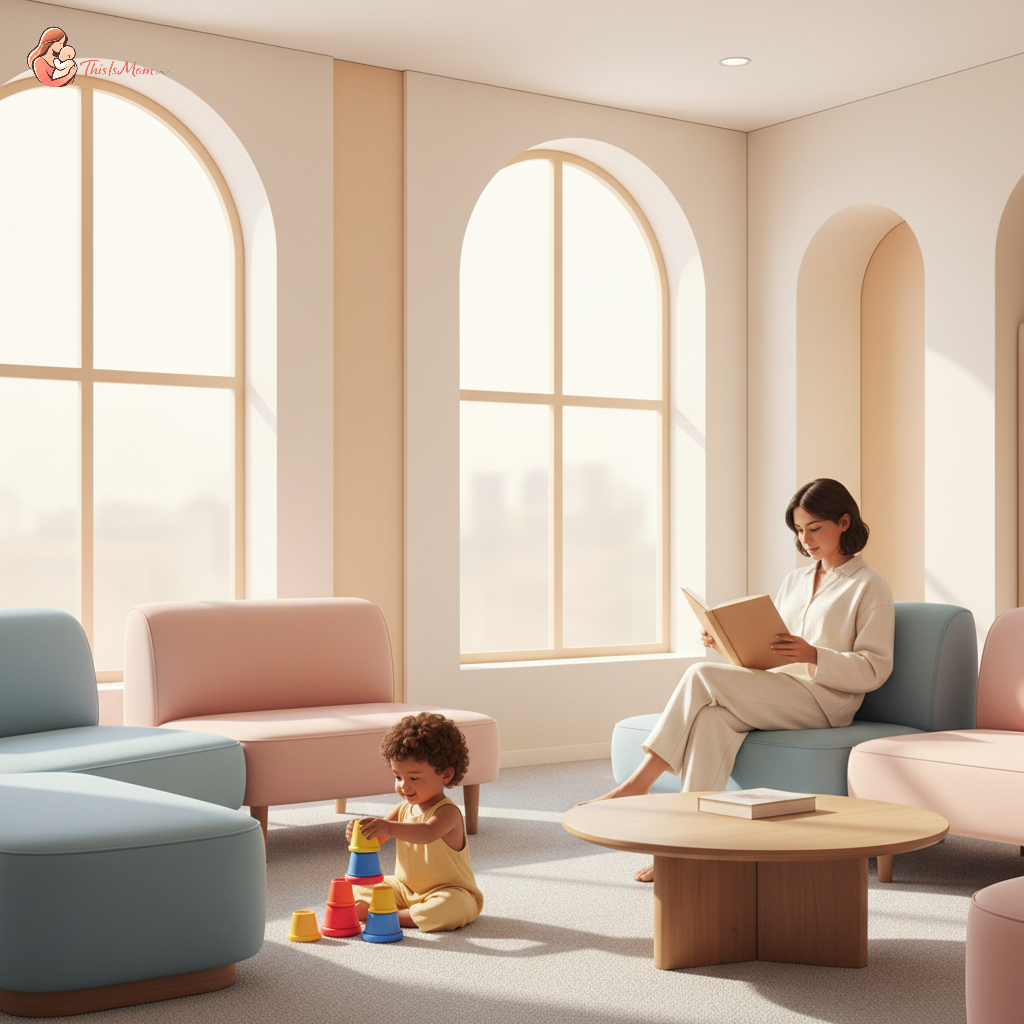
Waiting Room Victories: Keeping Little Ones Screen-Free, Even When You're Stressed
It was 3:17 p.m. on a Tuesday, and Noah was a human pretzel in the pediatrician's waiting room. He’d somehow managed to stick a rogue Cheerio to the top of his head, and my carefully curated bag of toys lay forgotten, a testament to my optimism. The truth is, navigating waiting rooms with a toddler or a curious one-year-old can feel like a mission impossible. But it doesn't have to be.
Let's talk about screen-free alternatives for waiting rooms with toddlers. Those moments before an appointment can often be more stressful than the appointment itself. We're already a little frazzled, maybe running late, and then we’re hit with the "I’m bored, Mommy!" chorus. It’s enough to make anyone want to hand over a tablet just to get five minutes of peace. But we can do better, mamas. We really can.
The Waiting Room Wobbles: Why Screen-Free Matters (Even When It’s Hard)
I get it. The allure of a glowing screen is powerful. It’s a digital pacifier, a quick fix for a wobbly attention span. But those waiting room times, as painful as they can feel, are actually prime opportunities. Opportunities for connection, for problem-solving, and for developing crucial life skills for our babies and toddlers.
When we rely on screens, we bypass these chances. We miss out on helping our little ones learn patience, practice their fine motor skills, or engage their imaginations. And for us? We miss out on those genuine, sometimes hilarious, interactions that make motherhood so, well, real. It’s about building resilience, not just quiet.
The Toddler Survival Kit: Essential Waiting Room Gear
This is where the prep work comes in, mamas. Think of this as your toddler’s screen-free waiting room survival kit. It doesn’t need to be fancy, just effective. The key is portability and engagement.
Small, Stackable Toys for Tiny Hands
When you're dealing with younger ones, like screen-free activities for 1 year olds or screen-free activities for 18 month olds, keeping it simple is best.
- Nesting Cups/Stacking Rings: These are classics for a reason. They’re great for fine motor skills and can be used in a myriad of ways.
- Chunky Peg Puzzles: A simple puzzle with large pieces is perfect for little fingers. Four pieces is usually plenty for this age.
- Soft Balls or Beanbags: Easy to hold, easy to roll (quietly!), and can be used for simple games like "catch."
Engaging Books for a Quick Distraction
Books are gold. Even if they can’t ‘read’ them, they love looking at the pictures.
- Board Books: Sturdy and can withstand a good chewing session.
- Lift-the-Flap Books: These add an interactive element that always delights.
- "I Spy" or Picture Books: Pointing out objects is engaging.
Sensory Play On-the-Go
Sensory experiences are crucial for development, and you can bring a little bit of that magic with you.
- Mess-Free Coloring Pads: Things like Crayola Color Wonder are lifesavers. They mean you can color without finding marker masterpieces on the upholstery.
- Play-Doh or Kinetic Sand (in a small, contained case): A tiny amount can keep little hands busy for a surprising amount of time.
- Small Sensory Bottles: You can make these yourself with water, glitter, beads, and a securely glued-on lid. They’re mesmerizing!
Creative Calmers: Screen-Free Activities for All Ages
Beyond just toys, think about screen-free activities for 2 year olds or even slightly older. It’s about tapping into their natural curiosity and energy.
Activities for 1-Year-Olds (and 18-Month-Olds)
For the littlest explorers, focus on discovery and simple manipulation.
- Texture Exploration: Bring a few small fabric scraps with different textures (velvet, silk, rough denim) in a small pouch. Let them feel and explore.
- Object Permanence Games: Hide a small toy under a cup in front of them. Uncover it! Repeat. It's simple, but it’s engaging.
- "Pouring" Practice: A few small, unbreakable bowls and a scoop can provide quiet, focused activity.
Fun for 2-Year-Olds
Discover your baby's phase
Two-year-olds are often on the move and love to mimic.
- Stacking and Sorting: Use rings, blocks, or even large buttons for sorting by color or size.
- "Busy Bag" Activities: These are often fabric pouches with simple tasks like buttoning, zipping, or lacing. You can find tons of DIY ideas online.
- Sticker Books: Reusable sticker pads are great for fine motor skills and imaginative play.
Keeping 3 & 4-Year-Olds Entertained
Preschoolers have longer attention spans and are ready for more complex play.
- Travel-Sized Etch-a-Sketch or Magna Doodle: Nostalgic and perfect for doodling without real mess.
- Mini Building Sets: Think small LEGO kits or magnetic tiles that can be easily transported.
- Activity Books: Wipe-clean activity books with mazes, dot-to-dots, and spot-the-difference are fantastic.
Beyond the Bag: Interactive Parent-Led Play
Sometimes, the best distraction is you! Your engagement is often more powerful than any toy.
Simple Games for Patience
These games require no props and can help teach patience and turn-taking.
- "I Spy" with Your Voice: Instead of saying "I spy something blue," try "I spy something that makes a ding sound" or "I spy something soft."
- Simon Says: A classic for a reason. It gets them listening and moving (or not moving!).
- The Quiet Game: Who can be the quietest for the longest? Make it a silly competition.
Storytelling and Imagination
Tap into their natural storytelling abilities.
- "What If" Scenarios: "What if that lamp could walk? Where would it go?"
- Character Play: Bring a small doll or action figure and have them tell you what the character is doing.
- Sound Effects: Make animal noises, car sounds, or train whistles to tell a story together.
When Screens Feel Inevitable: A Gentle Approach
Look, it's not always easy to be screen-free. There are days, and frankly, hours, where your only goal is survival. And that’s okay.
Setting Expectations Beforehand
Talk to your child before you leave the house. "We have an appointment, and we're going to read books and play with our toys while we wait. It might be a little bit of a wait." This simple step can make a significant difference.
Reassessing When to Use a Screen
Sometimes, in a doctor's office, a medical procedure requires absolute stillness. In those specific, critical moments, a screen might be the most practical tool for your child's comfort and cooperation. It's not about perfection; it's about what works for your family. The goal is to minimize reliance, not to eliminate it entirely if it causes undue stress.
Mom-Tested Tips for a Smoother Wait
After countless hours in waiting rooms, I've picked up a few tricks that actually work.
- Arrive Early (or Late): Sometimes, arriving just a few minutes before your actual appointment slot means you miss the peak waiting crowd. Or, if you're consistently running late, try scheduling the very last appointment of the day, when things might be winding down. This can also be helpful when trying to manage prenatal appointments with a toddler.
- Snack Attack: Pack age-appropriate, non-messy snacks. Think Goldfish crackers, fruit pouches, or pre-cut fruit. Hunger is a shortcut to meltdowns. Consider these easy toddler lunch ideas for daycare if you need on-the-go options.
- The Element of Surprise: Keep some of your "waiting room toys" hidden away. Pulling out something "new" or "special" just for the appointment can be a game-changer.
- Embrace the Floor (If You Can): Sometimes, the floor is less germy than the chairs, and it gives them a little more space to move. Keep wipes handy!
- Deep Breaths: For you! The calmer you are, the calmer your child is likely to be. If they're melting down, sometimes just sitting with them, holding them, and breathing with them is the best you can do. You are strong, and you are doing enough.