20+ Sensory Activities to Replace Screen Time for Toddlers
Discover engaging, easy sensory activities to replace screen time for hyperactive toddlers. Boost development with hands-on play using everyday items.
Engaging Little Explorers: Sensory Play to Replace Screen Time for Hyperactive Toddlers
Before reaching for another cartoon, pause and observe your little one. What does their energy tell you? Are they constantly on the move, seeking new sensations and challenges? For many toddlers, this intense physical and mental engagement is simply their way of exploring and learning about the world. If you’re looking for sensory activities to replace screen time for hyperactive toddlers, you're in the right place. We'll explore simple, engaging ways to channel that energy and foster incredible learning through child-led play, using things you likely already have around the house.
Beyond the Glow: Why Screen-Free Sensory Play Thrives
There’s a unique magic that happens when a child is truly immersed in hands-on exploration. Unlike passive screen time, sensory play actively involves the young mind and body, building crucial connections. It’s about more than just fleeting entertainment; it’s about fostering developmental growth through exploration.
More Than Just Play: Benefits Beyond the Screen
When we offer rich sensory experiences, we're giving the child opportunities to develop fine motor skills, problem-solving abilities, and language. They learn about cause and effect, gravity, texture, and volume. This kind of engagement helps build their attention span and capacity for deep focus. It's a powerful way to support their cognitive and physical development, laying crucial groundwork for future learning. For parents navigating the challenges of childcare, particularly regarding healthy toddler snack ideas for daycare, understanding these developmental benefits can also inform choices about nutrition and activity.
Understanding 'Hyperactive': What It Means for Playtime
What is sometimes labeled as "hyperactive" in a toddler is often simply a child with a very strong need for input and movement. These children are curious, they have a lot of energy to expend, and they benefit greatly from activities that allow them to move, touch, and explore. The goal isn't to "calm them down" in a restrictive sense, but to channel their energy into productive, engaging experiences that satisfy their natural drive.
Quick & Easy Sensory Bins to Swap for Screen Time
Sensory bins are wonderfully versatile and can be tailored for different ages and interests. They offer a contained space for exploration, often minimizing mess while maximizing engagement. These are fantastic screen time alternatives for hyperactive toddlers that require little prep.
Pasta & Rice Play: Endless Textures, Minimal Mess
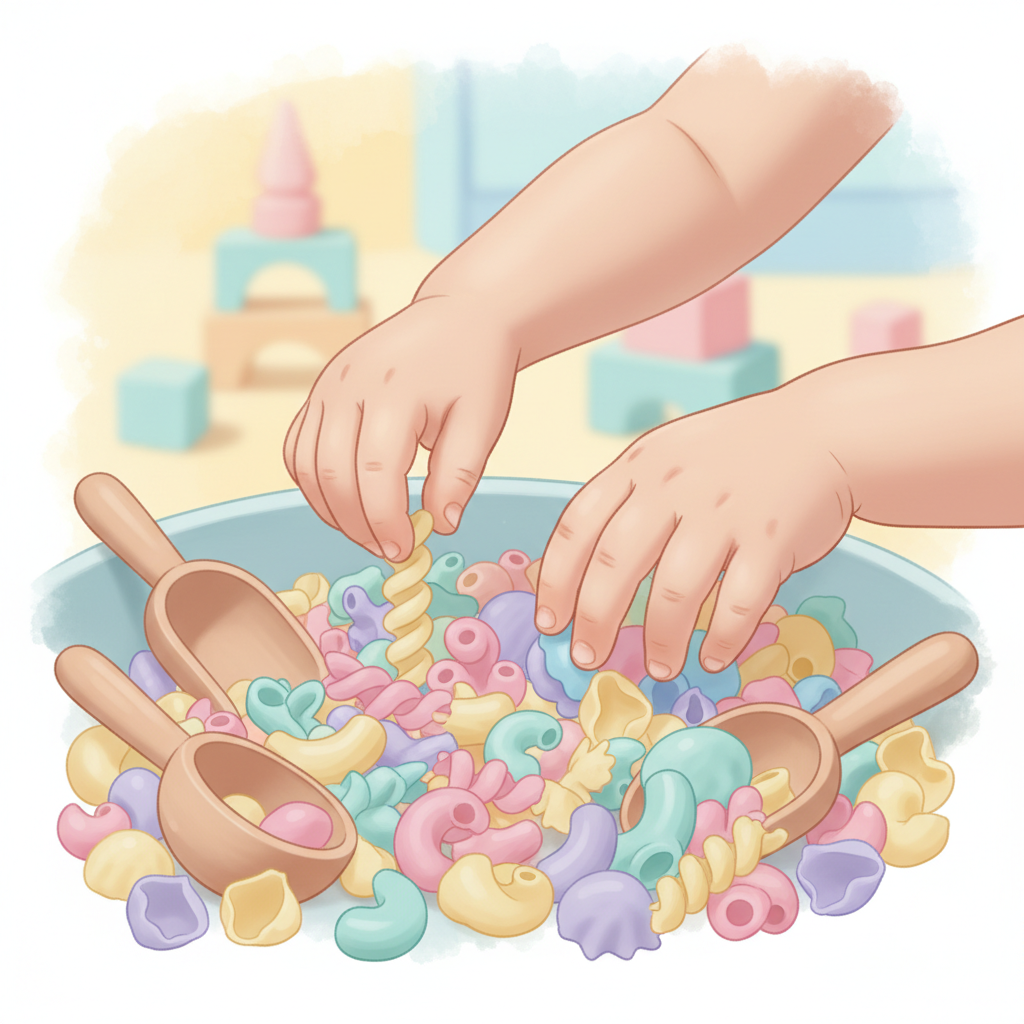
Fill a shallow bin or baking dish with dry pasta shapes or rice. Add scoops, small bowls, and funnels. The child can pour, scoop, and sift, exploring different textures and practicing fine motor control. You can dye the rice for added visual appeal. This is a fantastic way to introduce fine motor skills development with readily available materials.
Water Wonders: Simple Bins for Splashing Fun
A small tub of water, a few cups, sponges, and perhaps some bath toys can provide an hour of contented play. Supervise closely, of course, but the simple act of pouring, splashing, and squeezing is incredibly satisfying for a toddler. This is a classic among free sensory activities to replace screen time for hyperactive toddlers.
Nature's Treasures: Collecting & Exploring
Take a walk and gather natural items: leaves, smooth stones, pinecones, acorns. Bring them inside and let the child sort, arrange, and explore them in a bin. This connects them with the natural world and offers a variety of textures and shapes.
Movement & Messy Play: Burning Energy, Boosting Brains
For toddlers brimming with energy, direct physical engagement is key. These activities not only burn off steam but are also a rich source of learning.
DIY Obstacle Courses: Get Them Moving Indoors
Use pillows to crawl over, blankets to crawl under, a laundry basket to throw soft balls into, and tape on the floor to create lines they can follow. This is a fantastic way to encourage gross motor skills and problem-solving within the home environment.
Paints, Dough, & Goo: Embrace the Mess (and the Learning)
Discover your baby's phase
Sensory play for active kids often involves a bit of mess. Offer washable finger paints on large paper, homemade playdough with cookie cutters, or even edible “goo” like cooked oatmeal mixed with food coloring. Embrace the tactile experience.
Music & Movement: Dance, Sing, and Shake It Out
Put on some upbeat music and simply dance! Encourage different movements: jumping, spinning, swaying. Sing songs with actions like "Wheels on the Bus" or "Head, Shoulders, Knees, and Toes." This is a joyful way to connect movement with language and rhythm.
Calming Sensory Activities for Winding Down
Not all sensory engagement needs to be high-energy. Sometimes, quiet, focused sensory experiences are exactly what a child needs to regulate their emotions and prepare for rest. These are invaluable sensory activities to replace screen time for hyperactive toddlers when they need a bit of calm.
Sensory Bottles & Discovery Bags: Quiet Fascination
Fill clear plastic bottles with water, glitter, beads, or small toys for a mesmerizing visual experience. Seal them tightly. Discovery bags can be made by sealing small objects inside a heavy-duty ziplock bag with gel or hairspray. The child can manipulate the contents without direct contact.
Toddler Yoga & Stretching: Gentle Mind-Body Connection
Simple yoga poses adapted for toddlers, like "downward dog," "tree pose," or "butterfly," can be a peaceful way to move their bodies. Focus on gentle stretching and deep breaths. This promotes mind-body awareness in a fun, accessible way.
Book Nooks & Cozy Corners: Inviting Peaceful Engagement
Create a comfortable space with soft pillows and blankets, a good supply of age-appropriate books, and perhaps a few quiet comfort items. This invites a slower pace and encourages a love of reading and quiet reflection. For parents of toddlers where baby only naps 30 minutes, creating a calm environment might extend to nap prep.
Making the Switch: Tips for Busy Parents & Reluctant Toddlers
Transitioning from screen time to other activities can sometimes feel challenging. Remember that patience and consistency are key.
Start Small & Introduce Gradually
Don't feel you need to eliminate screens overnight. Begin by introducing one new sensory activity each day for a short period. Observe what captures your child's interest and build from there. If your child is sensitive, learning how to prepare sensitive child for daycare might involve similar gradual introductions.
Involve Them in the Setup (and Cleanup!)
Allowing the child to help set up their play area, even in small ways like choosing the bin or the toys, gives them ownership. For cleanup, use language that frames it as part of the play: "Let's put all the blue blocks back in the basket!"
When to Call it Quits: Observing Their Cues
Sometimes a child might resist an activity. Instead of pushing, observe. Are they tired? Frustrated? Overstimulated? It’s okay to step away and try again another time. Following the child’s lead, even in their resistance, is a powerful form of guidance.
Finding fulfilling sensory activities to replace screen time for hyperactive toddlers is a journey of observation and creativity. By preparing the environment and offering engaging, hands-on experiences, you're not just filling time; you're nurturing a capable, curious, and well-rounded child.