5 Signs You Need a Different PCP for Postpartum Mental Health
Feeling dismissed after baby? Learn the clear signs your PCP isn't meeting your postpartum mental health needs and how to find specialized support for PPD and anxiety.
Signs Your PCP Isn't the Right Fit for Your Postpartum Mental Health Journey
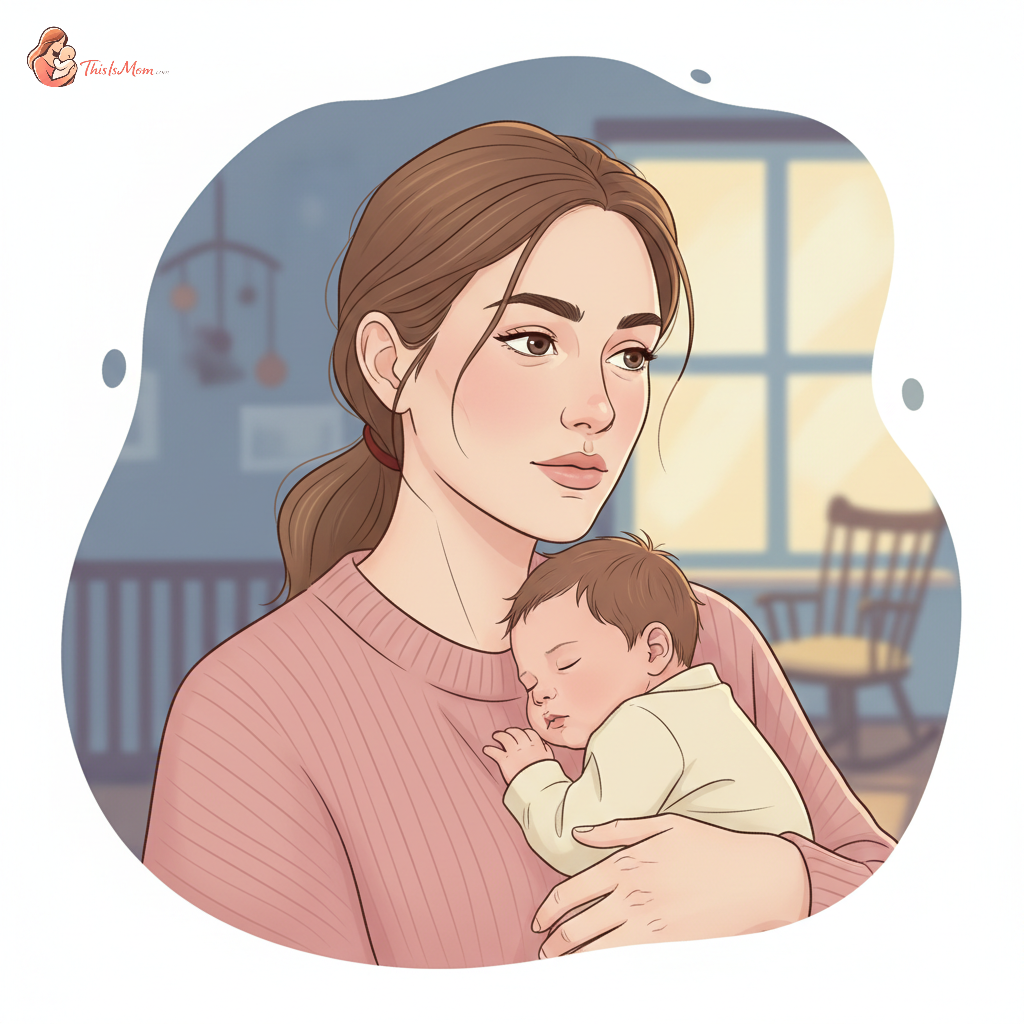
It was 3:15 a.m. and the silence was deafening, broken only by Noah’s soft, rhythmic breathing beside me. My mind, however, was anything but silent. It was a frantic replay of the day, a loop of worries about his feeding, my exhaustion, and a persistent, gnawing dread I couldn’t shake. This wasn't the “baby blues” people talked about. This felt bigger. If you’re navigating the fog of postpartum and wondering if your primary care physician (PCP) is truly equipped to help you with your postpartum mental health, you’re not alone. Sometimes, the signs you need a different PCP for postpartum mental health are subtle, and sometimes they’re screaming at you.
The Postpartum Rollercoaster: More Than Just Hormones
Becoming a mom is a huge life change. The physical recovery, sleep deprivation, and constant demands are immense. But the mental and emotional shifts can be just as, if not more, profound. Hormones are crashing, your identity is morphing, and your entire world has been turned upside down. It's so much more than just feeling a little sad sometimes. It’s the anxiety that makes your heart race when the baby cries, the intrusive thoughts that terrify you, and the overwhelming exhaustion that feels bone-deep and makes everything seem impossible.
Your PCP is usually the first point of contact for your health. They manage your physical well-being, give you annual check-ups, and are generally the gatekeepers to other specialists. So, it makes sense to assume they’ll be your go-to for all health-related matters, including the mental health aspects that creep in after baby arrives.
But here’s the truth: not all PCPs are created equal when it comes to understanding the unique landscape of postpartum mental health. The training for general medical practitioners often doesn’t go deep enough into the nuances of conditions like postpartum depression (PPD) and postpartum anxiety.
When Your Gut Says 'Something's Off' with Your PCP
Your intuition is a powerful tool, especially when you’re advocating for your health. Maybe you went to your postpartum check-up and mentioned feeling perpetually on edge, and your doctor shrugged it off, saying, "Oh, all new moms are tired." Or perhaps you brought up that persistent emptiness you feel and received a prescription for a general antidepressant without much discussion. These moments, even if they seem small individually, can stack up. They can make you feel dismissed, misunderstood, or even ashamed. Your gut feeling is telling you that your current provider might not have the specialized knowledge or compassionate approach necessary for the complex issues you're facing.
Clear Signs Your PCP Isn't Meeting Your Postpartum Mental Health Needs
Identifying that your PCP isn’t the best fit for your postpartum mental health support can be tricky. You’re already overwhelmed, and the last thing you need is to question your medical care. But recognizing these signs is crucial for getting the PPD treatment options and postpartum anxiety help you deserve.
When seeking postpartum mental health support, you should expect a provider who screens you thoroughly. This means asking specific questions about your mood, anxiety levels, sleep, appetite, and energy. They should be familiar with the signs and symptoms of postpartum depression, postpartum anxiety, and other perinatal mood and anxiety disorders. Ideally, your OB/GYN or PCP should be initiating these conversations early on. Organizations like the American College of Obstetricians and Gynecologists (ACOG) recommend screening for postpartum depression. A good provider will not only ask but will also know what to do with the answers.
Lack of Understanding or Dismissiveness
If you express concerns and your PCP responds with phrases like:
- "You're just stressed."
- "It's normal to feel this way."
- "You should be grateful you have a healthy baby."
- "Just try to get more sleep."
These statements, while they might contain a grain of truth, can invalidate your experience. The key difference is how they're delivered and if they’re the only response. True understanding involves acknowledging that while these feelings are common, they are also treatable and can be signs of something more serious. Dismissiveness can make you feel like your struggles aren’t real or significant enough to warrant attention. It can shut down communication and make you less likely to seek help in the future.
Discover your baby's phase
No Clear Action Plan or Follow-up
You’ve opened up about feeling overwhelmed, and your PCP acknowledged it. But now what? If your provider doesn't offer a clear path forward – whether it’s a referral, a discussion of treatment options, or a plan for follow-up – that’s a red flag. Mental health concerns require consistent attention. A lack of a concrete plan for addressing your symptoms, or no scheduled follow-up to check on your progress, suggests they aren't prioritizing your mental well-being as a serious health issue. You deserve a provider who will work with you to create a strategy. This might involve therapy, medication, support groups, or a combination of approaches.
Unwillingness to Refer to Specialists
This is a critical point in finding a new doctor postpartum if your current one isn't cutting it. Sometimes, a PCP might not have the depth of knowledge for complex perinatal mental health issues. In such cases, the right PCP will recognize this and readily refer you to specialists. These specialists might include:
- Psychiatrists specializing in perinatal mental health.
- Therapists or psychologists trained in maternal mental health.
- Reproductive mental health clinics that offer specialized postpartum care.
If your PCP is resistant to referring you, or seems to think they can handle everything themselves without the necessary expertise, this is a sign they’re not equipped to provide you with the best possible care. They should be seen as a valuable connector to the right resources, not the sole provider of all solutions.
You Feel Unheard or Uncomfortable
Do you feel rushed during your appointments? Do you find yourself holding back from sharing your true feelings because you anticipate a dismissive reaction? Do you leave appointments feeling more anxious or confused than when you went in? Your relationship with your healthcare provider should feel safe and supportive. If you consistently feel unheard, judged, or uncomfortable discussing your most vulnerable feelings, it’s a sign that this particular doctor is not the right fit for you during this sensitive time. This is about more than just a bad appointment; it’s about a fundamental mismatch in communication and care.
Taking Charge: How to Find Specialized Postpartum Support
Recognizing these signs is empowering. You are now ready to advocate for yourself and find the support you truly need. The first step is acknowledging that specialized postpartum care is available and necessary. Here’s how to start actively seeking it out:
- Talk to your OB/GYN: If your PCP isn’t the right fit, your OB/GYN might be a better starting point for referrals, as they are directly involved in your postpartum physical recovery.
- Ask for referrals: Don't be shy. Directly ask your current PCP, your OB/GYN, or even trusted friends and family for recommendations for providers who specialize in maternal mental health.
- Utilize online directories: Websites for organizations like Postpartum Support International (PSI) or Postpartum Mommy hold directories of therapists and support groups experienced in perinatal mood disorders.
- Check with your insurance: Understand what your insurance plan covers for mental health services, including therapy and psychiatric care, and which in-network specialists are available.
- Consider hospitals and birthing centers: Many larger hospitals or birthing centers have dedicated perinatal mental health programs or clinics.
- Look for therapists trained in Perinatal Mental Health: Seek out licensed therapists (LCSW, LMFT, LPC, PhD, PsyD) who explicitly state they have training and experience in perinatal mood and anxiety disorders. They will be more equipped to offer effective PPD treatment options.
Remember, finding the right therapist or psychiatrist often involves a few conversations. Don't get discouraged if the first person you talk to isn't a perfect match. It's okay to interview providers until you find the one who feels like the right fit for your journey back to yourself.
It's Okay to Switch: Prioritizing Your Own Well-being
It is absolutely, unequivocally okay to switch doctors. Your health, both mental and physical, is paramount. You hired your doctor to help you, and if they aren't doing that effectively, you have the right to find someone who can.
Navigating the postpartum period is one of the most challenging (and rewarding!) times in your life. You deserve to have a healthcare team that understands the profound nature of these changes and actively supports you through them. You deserve to feel heard, validated, and treated with compassionate expertise.