7 Signs Your Toddler Needs a Screen Time Detox
Is your toddler over-stimulated by screens? Learn the key signs your toddler might need a screen time detox after extended use and how to gently implement a plan.
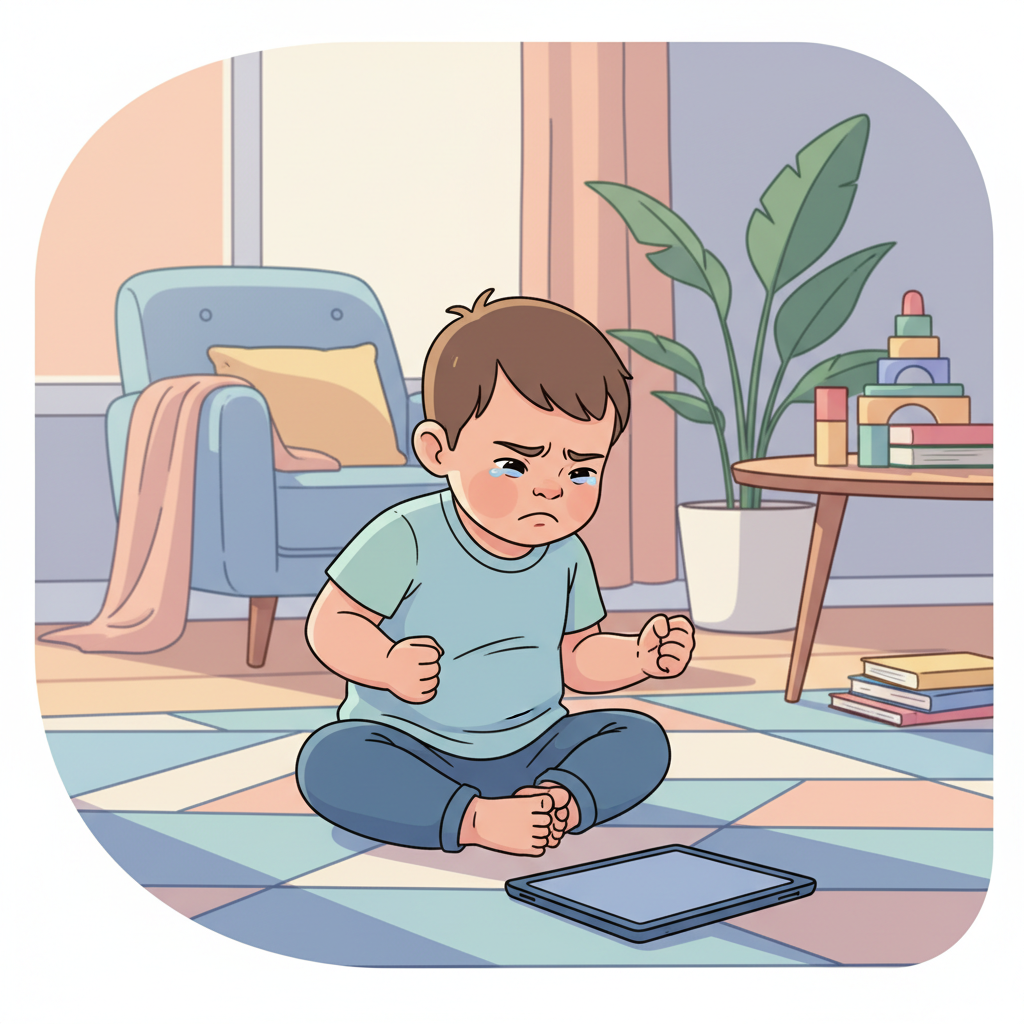
Is Your Toddler Over-Stimulated? 7 Signs They Need a Screen Time Detox
Your toddler just spent two hours glued to a tablet showing singing animals. Now, they’re having a full-blown meltdown because you asked them to put it down. Should you worry about their screen time habits? It’s a common question for many parents today, and understanding the signs your toddler might need a screen time detox after extended use is crucial. The American Academy of Pediatrics (AAP) offers guidance on screen time for young children, and recognizing when those recommendations are being exceeded can significantly impact your child's well-being.
When Screens Seem to Be Running the Show: Obvious Behavioral Clues
Sometimes, the impact of too much screen time on toddlers isn't subtle. You might start noticing consistent behavioral shifts that suggest a change is needed.
- Increased meltdowns or irritability after screen time is a big red flag. If your child consistently becomes more upset, agitated, or difficult to manage immediately after a screen session, their nervous system may be overstimulated.
- Difficulty transitioning away from screens can manifest as resistance, tantrums, or an inability to disengage. The child might demand more screen time, cry, or become physically aggressive when asked to stop.
- Loss of interest in other activities is another indicator. If your toddler, who once loved building blocks or playing with dolls, now shows little enthusiasm for these pastimes, preferring only screen-based entertainment, it could be a sign. For example, if your toddler usually enjoys playing with toys but now refuses to, you might consider scenarios like managing anxiety when baby only naps on me postpartum if it's related to separation or sleep resistance.
- Trouble with focus and attention during play might also emerge. You may observe that they struggle to engage with toys for more than a few minutes, constantly seeking the rapid-fire stimulation screens provide.
How Screen Time Can Shape Development: What the Research Suggests
Beyond immediate behavior, the duration and content of screen time can influence a toddler's developmental trajectory. The guidelines emphasize the importance of unmediated, interactive experiences for healthy growth.
- The side effects of too much screen time for toddlers can touch on their language acquisition. Some research suggests a link between excessive screen exposure and speech and language delays or even regression, as children may have fewer opportunities for back-and-forth verbal interactions. If you notice such delays and wonder signs early intervention is needed for 18 month old with no words, screen time could be a contributing factor.
- Impaired social interaction and eye contact can also be a concern. When screens dominate playtime, toddlers may have less practice engaging with caregivers and peers, which is essential for developing social cues.
- Sleep disturbances and irregular patterns are frequently reported. Blue light from screens can interfere with melatonin production, making it harder for toddlers to fall asleep and stay asleep. Elevated excitement from screen content can also contribute to restlessness. This is particularly relevant if you are dealing with a 4 month sleep regression during daylight saving time or other sleep challenges.
- Challenges with motor skills and physical play might arise if screen time replaces active engagement. Toddlers need ample time for running, jumping, climbing, and exploring their physical environment to develop gross and fine motor skills.
Navigating the "Screen Time Detox Withdrawal" in Toddlers
When you decide to reduce screen time, it's important to be prepared for a period of adjustment, similar to what might be considered screen time reset how to re-establish boundaries after sick week – this is a critical period.
Discover your baby's phase
- What to expect during a screen time detox can include increased fussiness, more frequent tantrums, and a general sense of protest from your child. They are accustomed to a certain level of stimulation, and its absence will be noticeable.
- How long does it take to detox from screens? This varies greatly depending on the individual child and the extent of their previous screen use. For many, the most intense symptoms might last a few days to a week, with gradual improvement over a few weeks.
- Why these symptoms occur (and that's okay!) is because the brain is adjusting to a new sensory input level. It’s a sign that the previous habits were deeply ingrained. Remind yourself this is a temporary phase, and your child is learning a new way to interact.
A Gentle Guide to Reclaiming Your Toddler's Attention: Implementing a Screen Time Detox Plan
Deciding to implement a screen time detox plan for toddlers doesn’t have to mean an abrupt, stressful overhaul. A phased, thoughtful approach is often the most effective and compassionate.
- Phased reduction vs. cold turkey: Which is best? For most toddlers, a phased reduction is generally recommended. This involves gradually decreasing screen time over days or weeks rather than eliminating it entirely at once. This allows your child to adjust more smoothly. For instance, if they have two hours daily, you might reduce it to 90 minutes for a few days, then an hour, and so on.
- Replacing screen time with engaging alternatives is the cornerstone of a successful detox. Think about activities that foster connection and exploration:
- Sensory bins: Fill with rice, beans, or water beads for tactile exploration.
- Art supplies: Crayons, washable paints, play-dough.
- Building toys: Blocks, magnetic tiles, Duplo.
- Imaginative play: Dress-up clothes, play kitchens, dolls.
- Outdoor exploration: Walks in nature, playground visits, backyard fun.
- Setting realistic expectations for parents and toddlers is key. Your toddler will likely protest, and there will be challenging moments. Acknowledge your child's feelings without giving in to demands for screens. For parents, the goal is progress, not perfection. Celebrate small victories.
- Tips for managing resistance and tantrums: Stay calm and empathetic. Acknowledge their frustration ("I see you're feeling frustrated because you want to watch your show") and redirect them to an alternative activity. Consistency is vital. If you give in, it reinforces the idea that tantrums work. Try to pre-empt meltdowns by offering appealing choices before screen time is even a consideration. If your toddler is having tantrums, it might feel similar to when an 18 month old throws food on floor intentionally during meals – consistent redirection and understanding the root cause are key.
If you are considering how to detox a 2-year-old from screen time specifically, remember their capacity for understanding is developing. Simple, concrete choices and lots of positive reinforcement for engaging in non-screen activities will be most effective.
Building a Foundation for Lasting Screen Balance
Once you've navigated the initial detox period, the focus shifts to creating sustainable, healthy technology habits for your family. This is about finding a long-term balance, not just a temporary fix.
- Creating a screen-free environment involves establishing boundaries. Designate certain times or areas of the house as screen-free zones, like the dining table or bedrooms, especially close to bedtime. This helps normalize life without constant digital input.
- Prioritizing outdoor play and social interaction remains paramount. These activities are not just alternatives to screens; they are essential for robust physical, cognitive, and social-emotional development. Aim for consistent access to the outdoors and opportunities for peer play.
- The importance of parent modeling cannot be overstated. Toddlers learn by watching you. If you’re constantly on your phone, they will likely see that as the norm. Be mindful of your own screen habits and demonstrate a balanced approach to technology.
- Finally, when to consider professional support. If you're struggling significantly with your toddler's screen use, or if you're concerned about developmental milestones impacted by screen habits, don't hesitate to reach out to your pediatrician. They can offer personalized advice and rule out any underlying issues.