Sleep Sack Alternatives for Overheating Babies
Discover safe sleep sack alternatives and breathable sleepwear options for babies who overheat easily. Keep your little one cool and comfortable with our tips.
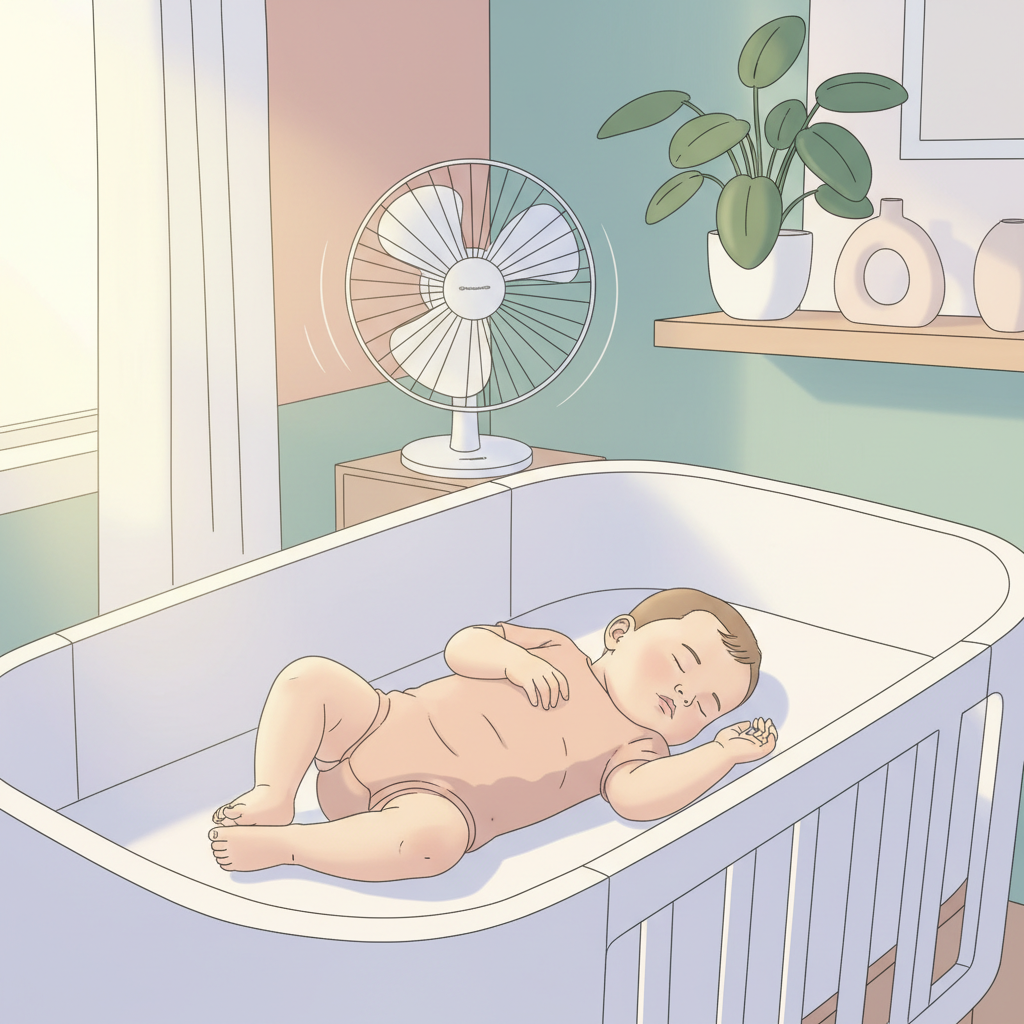
Sleep Sack Alternatives for Baby Who Overheats Easily: Staying Cool and Safe
Your little one is restless, and you're wondering if they're too warm. How do you ensure a safe and comfortable night's sleep when your baby tends to overheat easily? It’s a common concern for many parents, especially as the weather warms up. The American Academy of Pediatrics (AAP) provides clear guidance on safe sleep, and understanding how to dress your baby appropriately for sleep is a key part of that. This article explores sleep sack alternatives for babies who overheat easily, focusing on breathable options and environmental adjustments to keep them cool and safe.
Understanding Why Baby Overheating is a Concern
When babies get too warm during sleep, it can disrupt their rest and, more importantly, pose health risks. Identifying the signs your baby might be too hot is the first step in preventing this.
Signs Your Baby Might Be Too Hot
One of the most common indicators is touching your baby's chest or back. If they feel hot and sweaty, they are likely too warm. Other signs include:
- Flushed cheeks
- Rapid breathing
- Fussiness or restlessness
- Heat rash (small red bumps)
It’s important to distinguish between a warm baby and a baby who is actually overheating. A quick touch to the nape of the neck or their torso can give you a good sense of their body temperature. While hands and feet can often feel cooler, the core body temperature is a better indicator.
The Science Behind Safe Sleep Temperatures
The AAP emphasizes creating a safe sleep environment to reduce the risk of Sudden Infant Death Syndrome (SIDS). Core to this is maintaining a comfortable room temperature. Babies are less able to regulate their body temperature compared to adults, making them more susceptible to overheating. Overheating is considered a risk factor for SIDS.
The goal is to keep the baby's environment from becoming too warm, which can be achieved through appropriate sleepwear and room temperature management. Research suggests that keeping the room at a temperature comfortable for a lightly clothed adult is a good starting point.
AAP Guidelines on Preventing Overheating
The AAP offers straightforward advice for preventing overheating. They recommend dressing your baby in lightweight layers and avoiding overbundling. When choosing sleepwear, consider the room temperature and the baby's individual needs.
The guidelines also stress avoiding soft bedding, bumper pads, and loose blankets in the crib, as these can create a hazard and contribute to overheating. A firm mattress with a fitted sheet is the safest option. For sleepwear, they advise against hats indoors, as babies lose heat through their heads.
Beyond the Traditional Sleep Sack: Breathable Alternatives
While sleep sacks are a staple for safe sleep, they aren't the only option, especially for babies who tend to run hot. Exploring lightweight and breathable sleepwear is essential for ensuring comfort and safety during warmer months or for generally warm babies.
Lightweight Sleepwear (TOG Ratings Explained)
Sleep sacks and other sleepwear often come with a TOG rating, which stands for Thermal Overall Grade. This is a measure of insulation, not fabric thickness. A higher TOG rating means warmer sleepwear. For hotter weather or babies who overheat, opting for sleepwear with a low TOG rating is crucial.
- 0.5 TOG: Suitable for very warm temperatures, typically above 73°F (23°C).
- 1.0 TOG: Ideal for mild temperatures, around 68-72°F (20-22°C).
- 2.5 TOG: For cooler temperatures, about 64-68°F (18-20°C).
When looking for sleep sack alternatives for your baby who overheats easily, seeking out options specifically designed for warmer climates or with a 0.5 TOG rating is a good starting point.
One-Piece Footie Pajamas vs. Separates
Traditional footie pajamas are a common choice, but their material and weight can vary significantly. For babies who overheat, lightweight cotton or bamboo footie pajamas with a low TOG rating can be a good option, provided they aren't too snug or heavily insulated.
Alternatively, separates like a short-sleeved onesie paired with sleep pants can offer more flexibility. This allows you to adjust the layers based on the room temperature and your baby's feel, making them a versatile sleep sack alternative.
Swaddles for Warmer Climates (When Appropriate)
Swaddling can provide a sense of security for newborns, but it's important to use it safely and appropriately for warmer weather. The AAP recommends stopping swaddling once a baby shows signs of being able to roll over.
For warmer climates or babies who overheat, choosing swaddles made from very thin, breathable fabrics like organic cotton or bamboo is key. Ensure the swaddle is not too tight around the hips, allowing for healthy hip development. Many modern swaddles are designed with ventilation or lighter materials, making them suitable sleep sack alternatives for babies needing less warmth.
Sleep Sack Alternatives for Baby Who Overheats Easily: Our Top Picks
Finding the right sleepwear is about balancing warmth, safety, and breathability. For those babies who consistently feel warm to the touch, exploring different materials and designs can make a significant difference.
Natural Fibers: Cotton, Bamboo, and Merino Wool
Natural fibers are often recommended for better breathability and temperature regulation compared to synthetic materials.
- Cotton: A popular choice for its softness and breathability. Look for lightweight, breathable cotton weaves like muslin or organic cotton.
- Bamboo: Known for its exceptionally soft feel and moisture-wicking properties, bamboo fabric can help keep babies cool and dry. It's often blended with other natural fibers.
- Merino Wool: While often thought of as a warm material, fine merino wool is surprisingly effective at regulating temperature. It can wick away moisture and is breathable, making it suitable for a range of temperatures, including milder hot weather.
Discover your baby's phase
When searching for the best sleep sack alternatives for baby who overheats easily, prioritize garments made from these natural, breathable fabrics.
Specific Brands and Features to Look For
When selecting lightweight sleep sacks for summer or other breathable nightwear, keep an eye out for specific features that promote airflow and coolness.
- Fabric Weight: Opt for the lightest possible fabric construction. Muslin, thin jersey knit, and open-weave cotton are excellent choices.
- Breathability: Look for terms like "breathable," "moisture-wicking," or "thermoregulating" in product descriptions.
- Fit: Ensure the sleepwear isn't too tight or layered too thickly. A looser fit can allow for better air circulation.
- Zipper vs. Snaps: Zippers can sometimes offer more flexibility for quick diaper changes without fully undressing the baby. Many sleep sacks feature a two-way zipper for this purpose.
Considerations for Different Climates and Hot Babies
The ideal sleepwear will vary not only by room temperature but also by your baby’s individual physiology and the climate you live in.
- Humid Climates: In humid environments, moisture-wicking fabrics like bamboo or merino wool can be particularly beneficial to prevent a clammy feeling.
- Dry Climates: Breathable cotton is usually a safe and effective choice.
- Babies with Eczema or Sensitive Skin: Opt for GOTS-certified organic cotton or bamboo, which are often hypoallergenic and less likely to irritate sensitive skin.
If your baby consistently feels too warm even in a thin sleep sack, consider a sleeveless onesie made of cotton or bamboo underneath a very thin sleep sack, or perhaps a lightweight, short-sleeved sleep bag.
How to Keep Baby from Overheating While Sleeping: Environmental Factors
Beyond clothing, the baby's sleep environment plays a critical role in preventing overheating. Creating a cool and safe space is paramount.
Room Temperature and Ventilation Strategies
The ideal room temperature for a baby’s sleep, according to most pediatric advice, is between 68°F and 72°F (20°C to 22°C). However, this can be adjusted slightly based on your baby's comfort.
- Monitor the Thermometer: Use a room thermometer to get an accurate reading.
- Ensure Airflow: Open windows (securely screened, of course) if the outdoor air is cooler. If not, proper ventilation is still important. Avoid stagnant air.
Using Fans and Air Conditioning Safely
When the room temperature starts to climb, fans and air conditioning can be helpful tools, but they must be used with care.
- Fans: Place the fan so it circulates air in the room but does not blow directly onto the baby. This helps to prevent them from getting chilled.
- Air Conditioning: If using AC, ensure it doesn't make the room too cold, which can also be problematic. Aim for the recommended temperature range and use it to maintain a comfortable, consistent temperature.
The Importance of Crib Sheets and Mattress Pads
Even the bedding in the crib can contribute to overheating.
- Breathable Sheets: Opt for crib sheets made from natural, breathable materials like cotton, bamboo, or linen. Avoid synthetic fabrics that trap heat.
- Lightweight Mattress Pads: If you use a mattress pad, choose one made from natural, breathable materials. Some waterproof pads can feel warm.
Anything that adds an unnecessary layer of insulation in the crib should be avoided. The AAP's recommendations for a firm mattress and a tightly fitted sheet are the safest approach.
Dressing for Sleep: A Quick Guide for Hot Babies
Deciding how many layers to put on your baby for sleep can be tricky, especially when they tend to overheat. The old rule of thumb about one more layer than an adult might need a warmer-weather adjustment.
The 'One More Layer' Rule Revisited for Warm Weather
For a baby who overheats easily, the "one more layer" rule should be significantly dialed back during hot weather. If you are comfortable in a T-shirt and shorts, your baby may only need a lightweight, breathable onesie or a very thin sleep sack.
The goal is to dress them appropriately for the room temperature, not necessarily to add an extra layer just for sleep.
When to Adjust Clothing Based on Baby's Feel
Regularly check your baby’s core temperature – the back of their neck or their torso. If it feels sweaty or clammy, they are too warm and need fewer layers. If they feel cool, a very thin extra layer might be considered, but always prioritize breathability.
Nighttime Checks: What to Look For
When checking on your baby during the night, pay attention to more than just their temperature.
- Skin Temperature: Does their skin feel damp or flushed?
- Behavior: Are they restless, or do they seem overly warm and lethargic?
- Breathing Rate: Is their breathing noticeably fast?
If you observe these signs, remove a layer or adjust the room temperature.
Navigating safe sleep can feel complex, but by focusing on breathable materials, appropriate TOG ratings, and a comfortable room environment, you can help your little one sleep soundly and safely, even if they tend to overheat. When in doubt about your baby's specific needs or any concerns about their sleep, it’s always best to consult with your pediatrician. They can provide personalized advice based on your child's health and your home environment.