Smart Tech Gadgets for Busy Parents & Kids
Discover smart tech gadgets that genuinely help busy parents manage daily life, boost kids' independence, and ensure safety without sacrificing connection. Find the right tools for your family.
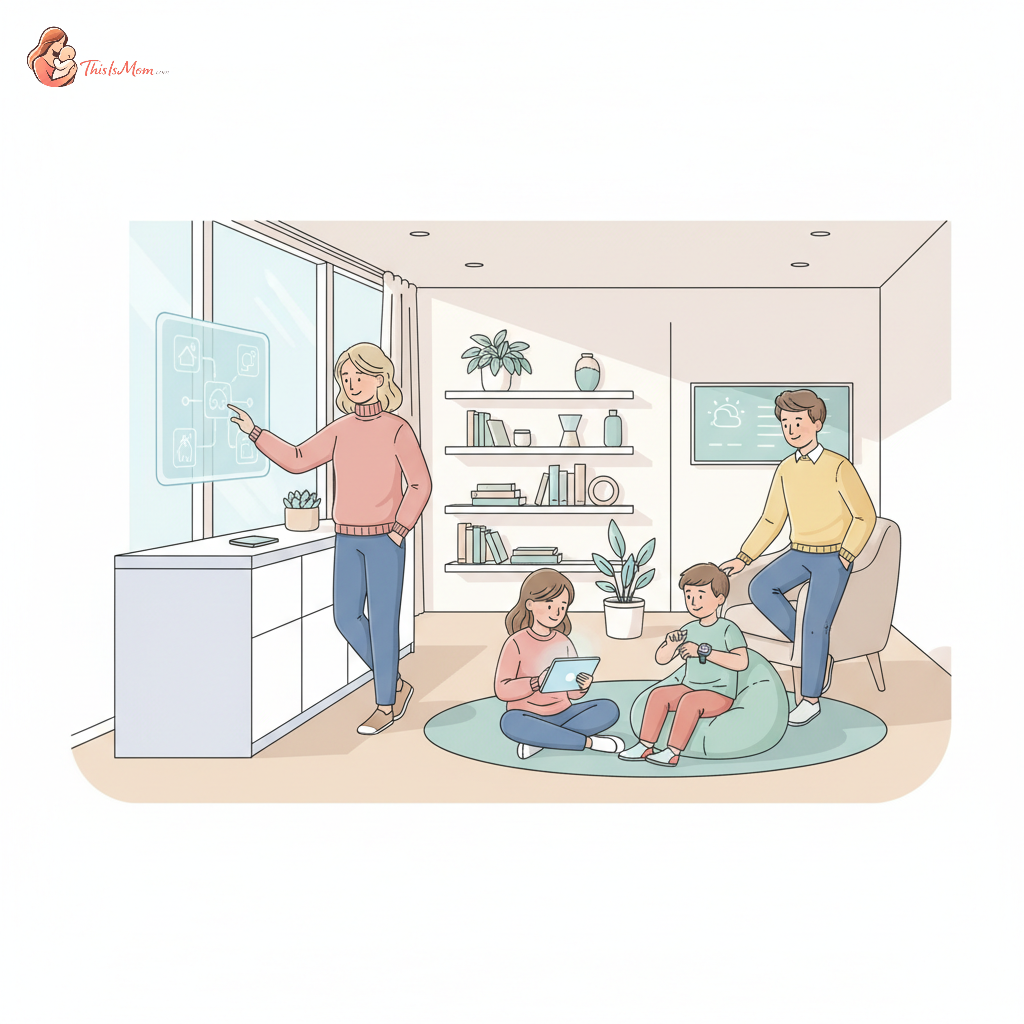
The Math of Modern Parenthood: Smart Tech Gadgets for Busy Families
It's 7:15 a.m. My inbox is already pinging with urgent requests, and my three-year-old has just discovered that gravity applies to the entire contents of his cereal bowl. This is the real-time operating system of working parenthood: a constant, high-stakes juggle where the goal isn't "balance," it's functional integration. The people who tell you to "have it all" clearly haven't tried to co-pilot a product launch while simultaneously negotiating a two-minute truce between siblings. Let's be real – the systems designed for families were built for a different era. So, we build our own. Today, we’re talking about a specific category of tools that, if used intentionally, can actually shift the equation: smart tech gadgets for kids that truly assist busy parents.
Beyond the Glow: When Smart Devices Become Allies
I’ve spent years wrestling with the narrative that all tech for kids is just another distraction, another source of parental guilt. And frankly, some of it is. But the right kind of tech, the kid-friendly tech for organization and safety, can be a genuine lifeline. It’s not about outsourcing parenting; it’s about leveraging tools to reclaim fragments of time and mental bandwidth that are otherwise consumed by the invisible work of managing a household. The real benefit for parents isn't just a quieter house; it’s a tangible reduction in the mental load, a bit more breathing room, and the ability to focus on quality interaction, not just constant logistics.
This isn't about a free pass to stare at our phones while our kids do the same. It's about setting boundaries from the start, establishing clear expectations for how and when these tools are used. Mindful tech use isn’t just for adults; it’s a foundational principle that makes these gadgets work for us, not against us.
Your Family Command Center: Tech for Seamless Organization & Communication
The perpetual "what's for dinner?" and the frantic "where are my shoes?" are classic stressors. Smart devices for busy parents can bring a surprising amount of order to this chaos.
Smart Calendars & Family Hubs: Keeping Everyone on Track
Think shared digital calendars that ping everyone, not just you, about appointments, practice times, and school events. Family hub devices, often with a screen, can act as a central point for messages, grocery lists, and even a quick way to see who’s home. This shared visibility reduces the need for constant verbal reminders and ensures everyone is, theoretically, on the same page.
Kid-Friendly Communication Devices: Staying Connected Safely
For older elementary or middle schoolers, a dedicated kid-friendly communication device or smartwatch can be a game-changer. These allow for pre-approved contacts, simple messaging, and sometimes even GPS tracking, all without the full-blown capabilities (and risks) of a smartphone. It’s a way to grant them a degree of independence while maintaining a crucial communication link.
Automated Chore Trackers & Reward Systems
Let’s be honest, nagging about chores is exhausting. Apps and smart devices designed to track tasks and offer rewards can gamify responsibility. Kids can mark tasks as complete, earn points, and sometimes even cash them in for small privileges. This shifts the dynamic from parental decree to a more collaborative, even fun, approach to contributing to the household.
Boosting Independence: Gadgets That Foster Learning & Growth
One of my biggest goals is to raise kids who are capable and independent. Certain tech tools can actually support this, fostering learning and self-sufficiency without requiring constant parental supervision.
Interactive Educational Tablets & Learning Devices
These aren't your standard tablets loaded with games. We're talking about curated devices designed for specific age groups, focusing on educational content, problem-solving, and creative play. They can be excellent resources for reinforcing school concepts or exploring new subjects in an engaging way.
Smart Storytellers & Audio Players for Quiet Time
The magic of storytime doesn't have to be confined to a parent's lap. Smart audio players, often controlled by voice command, can allow kids to choose their own stories, music, or even guided meditations. This is fantastic for fostering a love of reading, promoting quiet downtime, and encouraging a bit of self-soothing.
Wearable Tech for Health & Location Monitoring
For younger kids, smartwatches designed with safety in mind offer peace of mind. Features like GPS tracking, SOS buttons, and activity monitoring can be invaluable. For older kids and teens, wearable fitness trackers can encourage healthy habits and provide insights into their well-being.
Safety First: Tech Tools for Peace of Mind
In our increasingly connected world, ensuring our children's safety is paramount. Many smart gadgets are designed with this very purpose in mind, offering layers of security and communication.
Discover your baby's phase
Smart Home Security & Monitoring
Beyond the nursery monitor, smart home technology can extend to keeping the whole house secure. Smart locks, cameras, and sensors can provide alerts if doors are opened unexpectedly or if there’s unusual activity, offering an extra layer of vigilance for busy families.
GPS Trackers for Kids (Discreet & Practical)
For those moments when kids are walking home from a friend’s house, heading to the park alone, or during independent outings, a discreet GPS tracker can be a lifesaver. These are often integrated into keychains, watches, or small standalone devices, offering location updates without the constant need for direct communication.
Digital Wallets & Allowance Apps: Teaching Financial Literacy
As kids get older, managing allowances and teaching them about money becomes important. Digital wallets and allowance apps provide a structured way to handle this. They allow kids to track their spending, save for goals, and learn about budgeting in a safe, controlled digital environment.
Navigating the Downsides: What to Watch Out For
This isn’t a rose-tinted endorsement of every blinking gadget. There are real pitfalls to consider when introducing tech gadgets for kids into your family’s life.
The Pitfalls of Over-Reliance: Finding the Balance
The danger lies in letting technology become a crutch, replacing genuine connection or necessary life skills. Over-reliance can stunt development and create dependency. The goal is to use tech as a tool, not a default setting.
Screen Time vs. Engaged Time: Quality Over Quantity
The debate over screen time is often framed around minutes and hours. But the more crucial metric is engagement. Is the tech passive consumption, or is it active, creative, or educational? This distinction is key to making tech genuinely beneficial. We must be mindful of how we explain screen time limits to a 3-year-old using simple concepts.
Protecting Privacy & Digital Safety
We must be diligent about the privacy settings on all devices and apps. Research the company’s data policies. Teach your children about online safety, phishing scams, and the importance of not sharing personal information with strangers. This is non-negotiable.
Making Tech Work FOR You: Tips for Successful Integration
Successfully integrating these tools requires a deliberate approach. It’s about building a system that supports your family's values and your parenting style.
Involve Your Kids in the Decision-Making Process
When appropriate for their age, involve your children in choosing kid-friendly tech for organization or learning devices. Explaining the purpose and benefits can foster buy-in and a sense of responsibility. For instance, when discussing limitations, understanding how to reduce screen time for a 4-year-old before kindergarten can be a family project.
Establish Clear Rules and Routines
Define when and where devices can be used. Create tech-free zones or times (like during meals or before bed). Consistency is vital for establishing healthy habits.
Lead by Example: Your Own Tech Habits Matter
Our children are always watching. If we’re glued to our phones, they’ll learn that behavior. Model the mindful tech use we expect from them. Prioritize face-to-face interaction and genuine presence.