Snowplow Parenting Impact on Child Development
Discover how snowplow parenting affects child development, from problem-solving to independence. Learn to foster resilience and healthy growth in your child.
Snowplow Parenting and Child Development: What You Need to Know
Your child is struggling with a difficult assignment — do you step in to fix it, or let them figure it out? This question lies at the heart of a parenting approach gaining significant attention: snowplow parenting. It's characterized by parents actively clearing every obstacle from a child's path, ensuring they never face hardship. While often well-intentioned, snowplow parenting can impact child development in ways that might surprise you.
Defining the 'Snowplow' Style
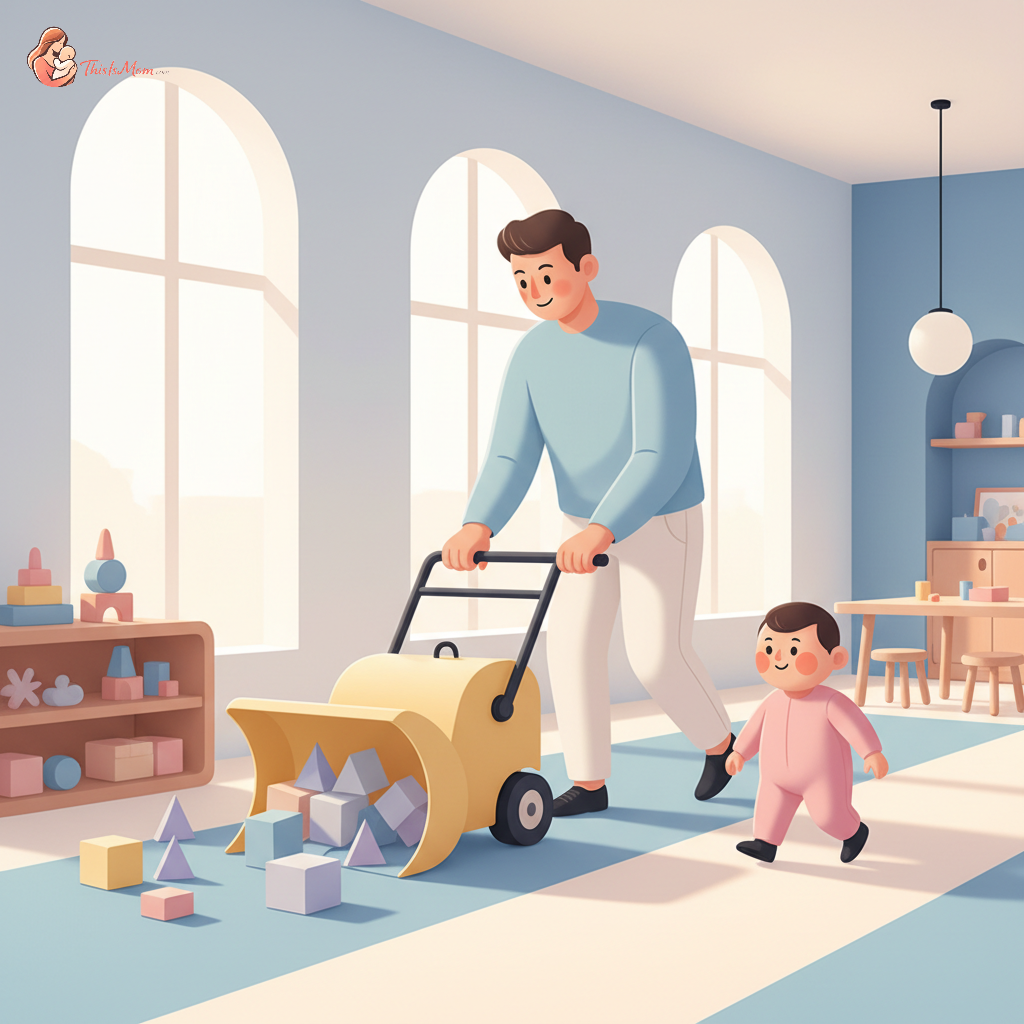
Snowplow parenting, named after the vehicle that clears a path through snow, describes parents who actively remove all difficulties and challenges from their child's life. The primary goal is to prevent their child from experiencing failure, disappointment, or discomfort.
This approach differs subtly from helicopter parenting. While helicopter parents hover closely, constantly monitoring and intervening to ensure safety and success, snowplow parents go a step further. They don't just hover; they actively clear the path, smoothing out any potential bumps or roadblocks before the child even encounters them.
Common scenarios might include:
- Intervening with a teacher to get a better grade for a child.
- Completing a child's homework or school project for them.
- Calling a college administrator to resolve a roommate conflict.
- Shielding a child from any negative social interactions or perceived injustices.
The Intended Path: Why Parents 'Snowplow'
It’s natural for parents to want to protect their children. The desire to shield kids from failure and disappointment often stems from deep love and a wish for them to have an easier life than they might have had.
Parents want the very best for their children, and in a world that can feel increasingly competitive and uncertain, removing obstacles can seem like the most effective way to ensure their success and happiness.
Societal pressures on parents also play a role. There can be an unspoken expectation to present a child who is always succeeding, always well-adjusted, and never struggling. This can lead parents to over-function, clearing the way so their child always appears to be thriving.
The Impact on Child Development: What Experts Say
When parents consistently remove challenges, the effects of snowplow parenting can inadvertently hinder a child's development. Research suggests several key areas where this approach can have consequences.
Hindered Problem-Solving Skills and Resilience
Children learn to solve problems by encountering them. When every obstacle is removed, they don't develop the critical thinking skills needed to analyze situations, brainstorm solutions, and implement them. This can significantly impact their ability to bounce back from setbacks – a key component of resilience. Without practice in overcoming difficulties, their resilience may not be adequately built.
Delayed Independence and Self-Efficacy
Fostering independence is crucial for healthy child development. When parents constantly intervene, children don't have opportunities to learn to do things for themselves. This can lead to a delayed sense of self-efficacy – the belief in one's own ability to succeed. They may become reliant on external help for tasks they are capable of handling independently.
Emotional Regulation Challenges
Experiencing and navigating difficult emotions is part of growing up. When parents shield children from disappointment, frustration, or sadness, they miss out on learning how to cope with these feelings. This can make it harder for them to regulate their emotions effectively as they get older.
Potential for Anxiety and Depression
Paradoxically, an overly protected environment can sometimes contribute to increased anxiety and depression. Children may develop a fear of failure because they've never experienced it in a supported way. When they eventually encounter a challenge they can't overcome with parental intervention, the anxiety can be overwhelming.
Comparing helicopter vs. snowplow parenting, both can have similar negative outcomes, but the snowplow approach is characterized by a more active, proactive removal of all potential difficulties.
Spotting the Signs in Your Own Parenting
Discover your baby's phase
Reflecting on our parenting is an ongoing process. It's helpful to consider if these patterns might be present in your own approach.
Are you always stepping in before your child has a chance to try? Do you find yourself advocating for them in situations where they could potentially learn to speak up for themselves?
Do you fear your child's discomfort so much that you feel compelled to eliminate it entirely? This intense aversion to their negative feelings can be a strong indicator of the snowplow tendency.
Reflecting on your motivations is also key. Are you acting out of a genuine need to support your child's learning and growth, or out of your own discomfort with their struggles? Understanding the 'why' behind your actions can be illuminating.
Cultivating Growth: Towards a Balanced Approach
The goal isn't to abandon your child to hardship, but to shift towards a more balanced approach that fosters their capacity for growth. Research on fostering independence in children highlights several effective strategies.
Embracing Productive Struggle
Productive struggle is the concept of allowing children to grapple with a task, even if it's difficult, as long as they have the necessary foundational skills and support. This struggle is where true learning and problem-solving skills are developed.
Fostering Age-Appropriate Independence
Start small. For younger children, this might mean letting them dress themselves (even if it's mismatched socks) or pour their own drink (accepting a small spill). For older children, it could involve letting them manage their own school projects or navigate social situations with friends.
Teaching Problem-Solving, Not Solving for Them
When your child comes to you with a problem, resist the urge to provide the solution immediately. Instead, ask questions that guide them: "What have you tried so far?" "What do you think you could do next?" "Who else might be able to help?" This empowers them to become their own problem-solvers.
Building a Strong Support System for Your Child
Being a safe harbor for your child when they do struggle is vital. Let them know you are there to listen, to offer comfort, and to help them process their feelings. This support, rather than intervention, is what builds true resilience.
When to Talk to Your Pediatrician or a Professional
Parenting is complex, and seeking guidance is a sign of strength.
Concerns About Your Child's Development
If you have concerns about your child's ability to cope with challenges, their level of independence, or their emotional well-being, it’s always a good idea to discuss these with your pediatrician. They can offer insights based on your child's specific developmental stage and needs.
Struggling to Shift Parenting Styles
If you find it difficult to step back and allow your child to face challenges, or if you’re feeling overwhelmed by the desire to smooth every path, a family therapist or counselor can provide strategies and support for adjusting your parenting approach. This can be especially helpful when addressing the consequences of overprotective parenting.
Seeking Additional Resources and Support
There are many resources available for parents looking to foster independence and resilience. Your pediatrician can often recommend books, workshops, or local parenting groups that align with building resilience in kids.
Navigating the path of parenthood involves helping our children develop the skills and confidence to walk it on their own. By understanding the potential impact of snowplow parenting on child development, we can make conscious choices that empower our children to become capable, independent, and resilient individuals.