12 Speech Therapy Activities for Late Talkers (18 Months) at Home
Discover 12 simple speech therapy activities for your 18-month-old late talker. Boost language at home with everyday routines and playful interactions.
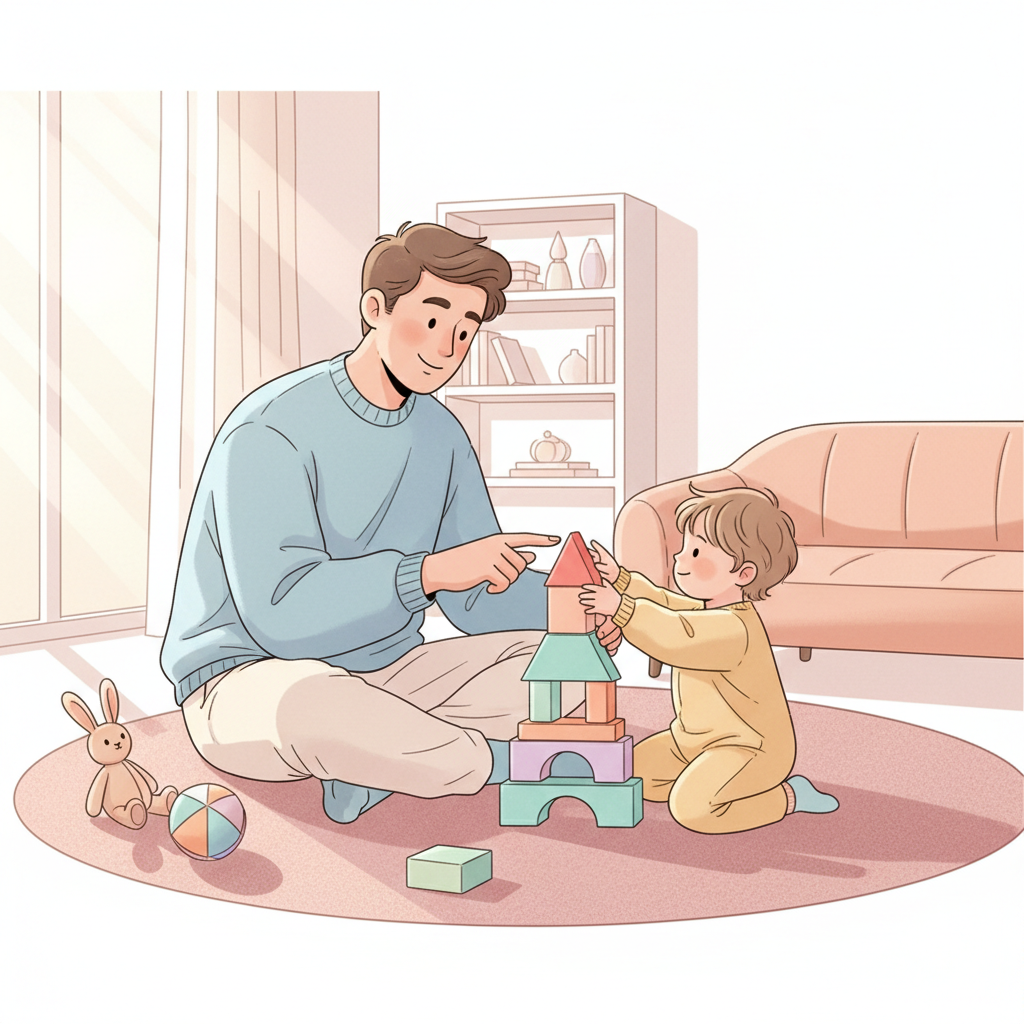
Nurturing Little Voices: Simple Speech Support for Your 18-Month-Old
Before diving into activity ideas, observe your 18-month-old. What are they reaching for? What sounds do they make already, even if not distinct words? What captures their gaze? This keen observation is the very first step, setting the stage for naturally supporting their emerging language. If words feel few and far between for your little one, you're not alone. Many parents wonder about their child's speech development, and understanding what happens at this age can be incredibly empowering. This guide offers practical speech therapy activities for late talker 18 months at home, focusing on simple ways to weave language into your everyday life.
Understanding Your Child's Language Journey
At 18 months, children are typically beginning to put together more sounds and may have a vocabulary of around 10-20 words. They understand much more than they can express, often pointing to objects they want and responding to simple instructions. You might see them using gestures like shaking their head "no" or waving "bye-bye."
When we talk about a "late talker," it refers to a child who is significantly behind their peers in expressive language development but whose receptive language (understanding) is within the typical range. For an 18-month-old, this might mean fewer than 10 to 15 words in their spoken vocabulary, or a lack of combining two words. While the label can sound alarming, often, with targeted support and opportunities, these children catch up beautifully.
There are many myths surrounding speech delays. One common one is that boys will talk later than girls, or that a child will "grow out of it." While some children do catch up on their own, early support can make a significant difference. Another myth is that you should wait until age three to seek help. However, research suggests that early intervention, even for what seems like a small delay, can have profound long-term benefits for a child's communication and overall development.
Everyday Moments for Language Learning
The beauty of supporting language at this age is that you don't need special toys or elaborate setups. The richest learning environment is often the one you already inhabit. Every routine is an opportunity to build understanding and encourage expression.
Mealtime Murmurs
Mealtimes are a fantastic language lab. As you prepare food, name the items: "apple," "banana," "bread." Make sounds associated with the food or the actions: "Slurp!" goes the soup, "Crunch!" goes the carrot. Describe what you are doing: "Mommy is cutting the cheese." If your child points, name the item they are reaching for. If they make a sound, try to interpret it and respond.
Bathtime Bubbles of Babble
Bathtime is sensory and fun. Talk about the water: "Warm water!" "Splash!" Name the toys: "duck," "boat," "cup." Describe the actions: "Pouring water," "Making bubbles," "Washing hair." You can even narrate the parts of their body as you wash them: "Wash your arm. Wash your leg." Repetition and sensory engagement make it a prime time for language absorption.
Dressing and Diapering Dialogues
These seemingly mundane tasks can be rich with language. As you change a diaper, say "Diaper off. Messy diaper!" and then "Clean diaper. Soft diaper." When dressing, name the clothing items: "Shirt," "Pants," "Socks." Describe the process: "Putting on your foot. One sock on, one sock on!" This connects words to actions and body parts in a meaningful way, helping those toddler speech delay exercises feel like natural parts of the day.
Play's the Thing: Simple Sparks for Speech
Play is how children learn best. By following your child's lead, you tap into their intrinsic motivation, making every interaction a joyful learning experience. Play-based strategies are excellent speech therapy activities for language delay.
Discover your baby's phase
Toy Talk Time
When playing with toys, your child is naturally engaged. Name the toys: "Car," "Ball," "Doll." Describe actions: "The car goes fast!" "The ball rolls." If you have animal toys, make the animal sounds: "Moo!" for the cow, "Meow!" for the cat. Encourage your child to imitate the sounds or names. This is a fantastic way to address how to help a child with speech delay at home.
Story Time Symphony
Books are magical. Even if your child isn't sitting for a full story, you can engage them. Point to pictures and name them: "That's a doggy!" "Look, a big red ball!" Pause and invite your child to fill in familiar words or make sounds. Encourage them to turn pages or point. You can add sound effects: "The train goes choo-choo!"
Singing and Rhyming Rhythms
Songs and rhymes are incredibly powerful for language development. They provide rhythm, repetition, and predictable patterns that make language easier to process and recall. Simple nursery rhymes like "Itsy Bitsy Spider" or "Twinkle, Twinkle Little Star" are perfect. Use hand motions along with the words to add another layer of engagement. Encourage your child to echo sounds or simple words.
Encouraging Their Own Unique Voice
Beyond specific activities, how we interact with our child can significantly boost their communication efforts. Creating a supportive environment where their attempts at communication are met with enthusiasm and understanding is key.
- Follow Your Child's Lead: Observe what your child is interested in. If they are fascinated by a toy truck, talk about the truck. If they are pointing to a dog, talk about the dog. This shows them that their interests matter and provides context for new vocabulary.
- Expand on Their Words: When your child says a word, build on it. If they say "car," you can expand by saying "Yes, big car!" or "Vroom, car!" This models more complex language without pressure.
- Use Gestures and Facial Expressions: Supplement your words with clear gestures and engaging facial expressions. Point to things, nod your head, smile when they communicate. This visual support can significantly aid comprehension and encourage them to use their own body language to communicate.
- Offer Choices: When you give choices, keep them simple, ideally using one or two words your child might be able to imitate. "Juice or water?" or "Ball or block?" This prompts vocalization and encourages them to make a selection.
A Gentle Look Ahead: When to Connect with Professionals
While many children thrive with home-based support, there are times when seeking professional guidance is the best next step. It's helpful to trust your intuition; if you have concerns about your child's speech development, it's always a good idea to discuss them.
Signs that might prompt a conversation with your pediatrician include:
- Very few to no words by 18 months.
- Limited understanding of language; not following simple directions.
- Difficulty with play or social interaction.
- Lack of gesture use (pointing, waving).
Your pediatrician can assess your child and, if needed, refer you to specialists. Early intervention services, often available through local school districts or private programs, can provide tailored support. These services are designed to help children with developmental delays, including speech and language delays, and can make a significant difference. These specialized speech delay activities for toddlers are delivered by trained professionals who can offer personalized strategies.
Nurturing your child's language development is a beautiful, ongoing journey. By embracing everyday moments and offering playful opportunities, you are providing the most valuable foundation for their communication skills.
This week, try choosing one routine – perhaps mealtime or book time – and focus on narrating everything you’re doing. See what sparks your child’s interest and respond to their sounds and gestures with enriched language.