9 Strategies for Easing 3-Year-Old Separation Anxiety at Daycare
Discover 9 effective strategies for easing separation anxiety at childcare drop-off for 3 year olds. Learn how to make transitions smoother and build confidence.
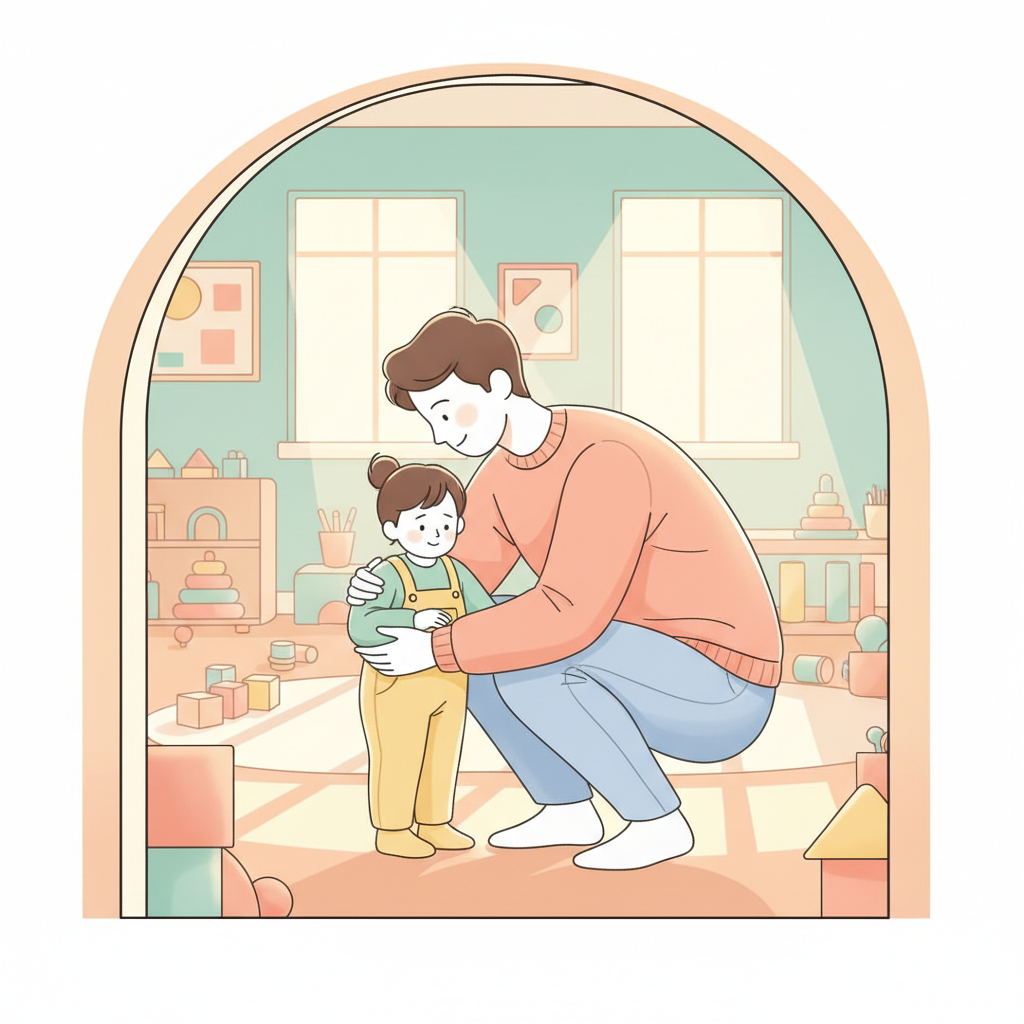
Making Daycare Drop-Offs Easier: Strategies for Your 3-Year-Old's Separation Anxiety
Your 3-year-old is clinging to your leg, tears streaming down their face, as you navigate daycare drop-off. Should you worry? Separation anxiety in toddlers, especially at age 3, is incredibly common. Fortunately, there are proven strategies for easing separation anxiety at childcare drop-off for 3 year olds that can make this daily challenge more manageable for everyone.
Understanding Separation Anxiety in 3-Year-Olds
At three years old, children are developing a stronger sense of self and independence. They also understand more about when you leave and might not be immediately present. This combination can amplify feelings of insecurity.
Why 3-Year-Olds Struggle at Drop-Off
For a 3-year-old, the world is often centered around their primary caregivers. The idea of being separated, even for a few hours, can feel overwhelming. They may worry about your return or about their safety in your absence. This is a natural part of their developmental stage, as they learn to trust their environment and other adults.
Normal vs. Concerning Anxiety
The American Academy of Pediatrics (AAP) notes that separation anxiety is a normal developmental phase. Most children will experience some distress when separating from parents, and this typically lessens as they become accustomed to the childcare setting. If you are concerned about your child's overall adjustment to a new environment like daycare, reading about preparing sensitive child for group daycare can be helpful.
However, there are signs that might indicate more significant separation anxiety in toddlers age 3. If your child exhibits extreme distress that lasts for extended periods, shows physical symptoms like stomachaches or vomiting consistently before drop-off, or if their anxiety significantly interferes with their ability to engage in activities at daycare, it might be time to observe more closely.
Before Drop-Off: Preparing for a Smoother Transition
The groundwork laid before you even arrive at daycare can make a significant difference in how your child experiences separation.
Building a Predictable Morning Routine
Consistency is key for preschoolers. A calm, predictable morning routine prepares your child for the day ahead. This means waking up with enough time to avoid rushing, a simple breakfast, and getting dressed without pressure. Rushing can heighten a child’s anxiety, making them feel your own stress.
The CDC suggests that consistent routines help children feel secure and understand what to expect, reducing overall anxiety.
Talking About Daycare Positively
Frame daycare as an exciting place where fun things happen. Talk about the friends they will play with, the songs they will sing, and the games they will enjoy. Avoid language that might unintentionally create fear, like "Don't worry, Mommy will be back soon,” which can imply there’s a reason to worry. If you are struggling with your own emotions during this period, understanding postpartum rage and irritability can be beneficial for your partner.
Instead, focus on positive activities: "You're going to build a wonderful tower with blocks today!” or “Ms. Emily loves reading stories to you.”
Practice Separations at Home
Short, planned separations at home can help build your child's confidence in your return. This could be leaving them with a grandparent or trusted friend for an hour while you run errands. If you're finding it hard to manage both work and home, consider exploring some healthy toddler snack ideas for daycare.
When you return, make sure they see you come back. This reinforces that you always return, which is crucial for building trust. These mini-separations help your child understand that being apart does not mean being abandoned.
At Drop-Off: Practical Strategies for Easing Anxiety
The moment of separation itself is often the most challenging. Having a clear plan can make this time more effective.
The 'Quick Goodbye' Rule
This is a crucial strategy for helping a 3-year-old with separation anxiety at preschool. Prolonged goodbyes can actually increase a child’s distress. They may interpret you lingering as being unwilling or unable to leave, or that something is wrong.
Once you arrive and say your hellos, dedicate a brief, defined period for your goodbye. This might be a hug, a kiss, and a clear statement of when you'll return: “I’ll see you after snack time!” Then, leave promptly.
Creating a Special Goodbye Ritual
A simple, consistent ritual can provide comfort and predictability. This could be:
Discover your baby's phase
- A special handshake or hug.
- Telling them "I love you to the moon and back."
- A quick wave from the window.
This ritual becomes a signal for both of you: the beginning of their daycare day and the assurance of your love and eventual return.
Using Comfort Objects
Allowing your child to bring a small comfort item from home can be very effective. This might be a small stuffed animal, a special blanket, or a photograph of the family. If your child is struggling with sleep at home, learning about ways to keep room dark during daytime naps without blackout curtains might help with overall sleep habits.
According to guidelines from Mayo Clinic, transitional objects can provide a sense of security when a parent is not present. Ensure the object is small and appropriate for the daycare environment, and that the caregivers are aware of it.
Communicating with Caregivers
Open communication with your child’s teachers or caregivers is vital. Let them know your child is experiencing separation anxiety. They are experienced in handling these situations and can offer support. If you are concerned about the stability of the daycare staff, understanding key questions to ask about staff turnover rates and consistency is important.
They can help distract your child, engage them in an activity, and signal to you that they are okay once you’ve left. They can also provide you with an update later in the day to reassure you.
After Drop-Off: Managing Your Own Emotions & Follow-Up
It's not just the child who experiences emotions during drop-off. Parents often feel guilt or worry.
Trusting Your Childcare Providers
Remember that you chose your childcare for a reason. Trust that the caregivers are trained to comfort upset children and can provide a safe, nurturing environment. Their primary goal is to support your child's adjustment.
How to Handle Calls from Daycare
If daycare calls, try to remain calm. Often, they are calling to provide a check-in and reassurance, or to inform you about a minor issue that has been resolved. If your child is inconsolable, the caregivers will likely suggest picking them up. However, in many instances, children settle down shortly after the parent leaves. Trust their professional judgment. Learning about the daycare sick child policy can help manage expectations around calls.
Reconnecting at Pick-Up
When you arrive to pick up your child, greet them with warmth and enthusiasm. Ask about their day, focusing on the positive activities they enjoyed.
Avoid bombarding them with questions about how upset they were. Instead, celebrate their time at daycare and the accomplishments they made. This reinforces the positive aspects of their day and strengthens your bond.
When to Seek Further Support
While separation anxiety is common, there are times when it might indicate a deeper issue.
Signs That Anxiety Might Be More Than a Phase
Persistent and intense anxiety that doesn't improve over several weeks, extreme clinginess that interferes with daily functioning, recurring physical symptoms without a medical cause (like headaches or stomachaches), and refusal to attend daycare even after significant adjustment periods are all signs to monitor. If you are noticing significant behavioral changes, understanding verbal stimming in toddlers with speech delay could be relevant depending on your child's presentation.
The AAP emphasizes that gradual adjustment is typical, but prolonged, severe distress warrants attention.
Talking to Your Pediatrician or a Child Development Specialist
If you have significant concerns about your child’s separation anxiety, the best step is to speak with your pediatrician. They can assess your child's overall development and rule out any underlying issues. They can also offer tailored advice and resources. If you are finding it challenging, consider exploring how to ask your OB for mental health screening during postpartum checkup or discussing with your partner partner support for postpartum rage and irritability.
In some cases, a referral to a child development specialist or child psychologist may be recommended to provide further support for both you and your child.
Navigating separation anxiety is a journey. By implementing consistent routines, positive communication, and a trusting partnership with your child’s caregivers, you can help your 3-year-old build the confidence to thrive, even when you're not right beside them. For sensitive toddlers, a guide on transitioning sensitive toddlers from nanny to daycare might offer additional helpful strategies.