Toddler Avoids Eye Contact But Babbles & Points: What It Means
Is your toddler avoiding eye contact but actively babbling and pointing? Learn what these mixed signals mean for development and when to consult a pediatrician.
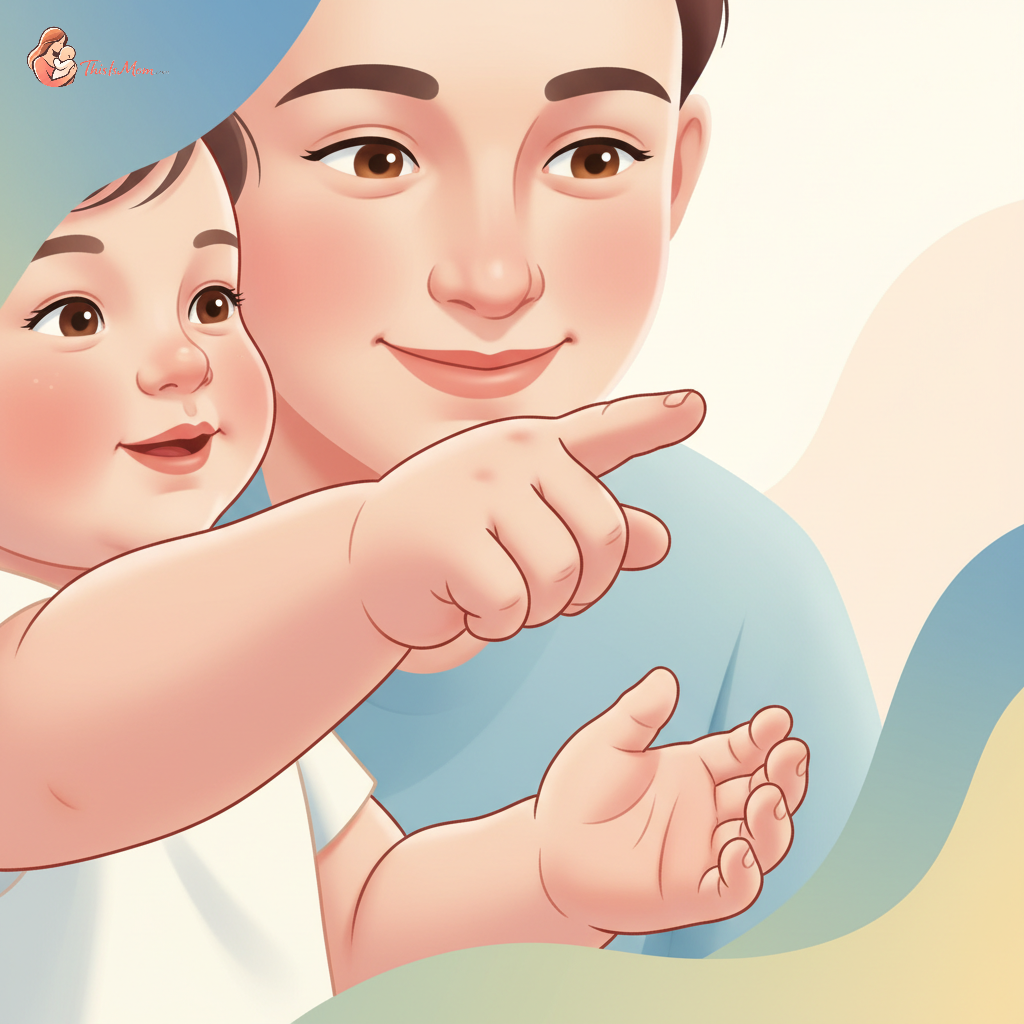
Toddler Avoids Eye Contact But Babbles and Points: What It Means for Development
Your toddler isn't making much eye contact, yet they're babbling up a storm and pointing at everything. Should you be concerned? This is a common question for parents navigating the complex world of toddler development. Understanding typical milestones, especially when signals seem mixed, can offer reassurance.
Many parents wonder about toddler eye contact and its role in communication. While eye contact is a key social cue, it's just one piece of a much larger developmental puzzle. The American Academy of Pediatrics (AAP) provides invaluable guidelines on developmental milestones, serving as excellent resources for parents.
The Nuances of Toddler Social Interaction
When we talk about toddler development, it's important to remember there's a wide spectrum of what's considered typical. For some toddlers, direct eye contact might be less frequent, even while they are highly engaged and communicative in other ways.
What Eye Contact Looks Like in Toddlers
The development of eye contact is a gradual process. While infants often orient towards faces, toddlers' social interactions become more complex. They might use eye contact strategically, for instance, to gauge a reaction or to initiate a shared experience.
The AAP notes that by 12 months, many babies actively look at their caregivers to share experiences. By 18 months, toddlers are typically able to follow a gaze and initiate pointing, often accompanied by a look to the caregiver. However, variations are common.
Factors Influencing Eye Contact
Several factors can influence how much eye contact a toddler makes. Personality plays a role; some children are naturally more reserved or observant of their surroundings. Environmental stimulation, comfort level in social situations, and even visual processing can all contribute.
When Babbling and Pointing Suggest a Different Story
The combination of a toddler avoiding eye contact but still babbling and pointing is particularly interesting because these other behaviors are strong indicators of emerging communication skills. They suggest your child is actively trying to connect and share their world.
The Significance of Joint Attention
One crucial concept in toddler development is "joint attention." This is the shared understanding between two individuals about what they are looking at. When a toddler babbles and points at a toy, then looks briefly towards you, they are often attempting to establish joint attention.
The AAP emphasizes joint attention as a vital precursor to language development and social understanding. If your toddler is pointing to things and vocalizing, even without sustained eye contact, they are demonstrating an effort to share their focus.
Babbling as a Social Tool
Babbling in toddlers isn't just random noise; it’s often a precursor to more complex language and serves as a social tool. Toddlers use babbling to express emotions, get attention, and engage with their environment and the people in it.
A toddler who babbles while pointing is using their voice to accompany their gesture, amplifying their communicative intent. This vocalization, even if not yet recognizable words, is a clear sign of engagement.
Pointing as a Means of Communication
The act of pointing is a significant developmental milestone. It shows a child's understanding that they can direct another person's attention to something specific. Evidence shows that pointing is a key communicative gesture.
When a toddler points and babbles, they are actively trying to communicate their desires, observations, or interests. This is a positive sign of their developing communication skills.
Connecting the Dots: Eye Contact and Other Communication Cues
The crucial aspect here is how to interpret these mixed signals. If a toddler avoids eye contact but is babbling and pointing, it suggests they are still seeking connection, just perhaps in a way that feels less direct to us.
Decoding These Mixed Signals
It's easy to get fixated on eye contact because it's a behavior adults use extensively for social connection. However, research suggests that a holistic view is more productive. If communication is happening through babbling and pointing, that's a strong positive indicator.
The AAP's guidelines often focus on the presence of communication skills rather than the absence of a single specific cue. If your toddler is babbling and pointing, they are communicating effectively in their own way.
A Holistic View of Toddler Development
Understanding toddler development requires looking at the whole child. A child's ability to babble, point, engage in pretend play, or show interest in books are all important indicators. Reduced eye contact, when coupled with these positive communication behaviors, may not be the primary concern.
Considering Toddler Temperament and Personality
Every child has a unique temperament. Some toddlers are naturally more introverted or may be more focused on exploring their environment. This can influence their social interactions, including eye contact.
Discover your baby's phase
A shy toddler might prefer to observe from a distance before making direct eye contact. This doesn't necessarily mean they are withdrawn; they might simply process social situations differently.
Other Reasons for Reduced Eye Contact
While concerns about Autism Spectrum Disorder (ASD) are often at the forefront of parents' minds, it's important to know that reduced eye contact can stem from various other factors.
Sensory Processing Differences
Some children are highly sensitive to sensory input. Bright lights, loud noises, or even the intensity of direct eye contact can be overwhelming for them. This sensory sensitivity can lead them to avert their gaze to reduce input.
Shyness and Social Anxiety
As mentioned, shyness is a common trait. For some toddlers, social situations can be a source of mild anxiety, leading them to avoid direct engagement like eye contact until they feel more comfortable.
Intense Focus on the Environment
Toddlers are constantly learning about the world around them. Sometimes, their focus on exploring and understanding their environment – a fascinating bug, a complex toy, or an interesting sound – can temporarily outweigh their engagement with social cues.
When to Consult Your Pediatrician
The Centers for Disease Control and Prevention (CDC) and the AAP provide developmental checklists that are excellent resources. These highlight key milestones children typically reach by certain ages.
Tracking Key Developmental Milestones
The AAP provides extensive information on developmental milestones. For instance, by 18 months, children are typically expected to point to ask for help, follow a gaze, and have a vocabulary of several words. By 24 months, they typically use two-word phrases and can follow simple instructions.
If your toddler is meeting many of these communication and social milestones, even with less eye contact, it's generally a positive sign.
Looking for Clusters of Concerns
The key is often to look for a cluster of concerns rather than focusing on a single behavior. For example, if a toddler is not making eye contact, is not babbling or pointing, shows little interest in social interaction, and is not meeting other developmental milestones, that would warrant a conversation with a pediatrician.
The CDC's "Learn the Signs. Act Early." program offers tools for parents to track development and identify potential concerns.
Preparing for Your Doctor's Appointment
If you have concerns, preparing for your pediatrician's visit is helpful.
- Note specific behaviors: Keep a log of when you observe the behaviors you're concerned about, and also when you see positive communication.
- Document development: Have information ready about your child's babbling, pointing, language use, play skills, and social interactions.
- Ask specific questions: Frame your questions around the AAP guidelines or CDC milestones you've reviewed.
Nurturing Your Toddler's Social and Emotional Growth
Regardless of developmental stage, there are always ways to support your toddler's social-emotional learning and communication skills.
Creating Engaging Play Opportunities
Make playtime interactive. Get down on their level, follow their lead, and narrate what they are doing. Offer toys that encourage interaction, like dolls, play kitchens, or building blocks.
Modeling and Encouraging Interaction
You can model social behaviors yourself. When you're playing with your toddler, try to make eye contact as you speak, smile, and use expressive tones. Gently encourage them to look at you when you're talking or to point to things they want.
Offer choices and opportunities for them to communicate their needs, whether through words, gestures, or pointing.
Trusting Your Parental Instincts
Ultimately, as a parent, you know your child best. If you have a persistent feeling that something isn't quite right, it's always worth discussing with your pediatrician. They can provide expert evaluation and guidance tailored to your child's unique situation.
Your pediatrician is your partner in ensuring your child's healthy development and well-being. They can help distinguish between typical developmental variations and potential areas needing further attention.