Toddler Daycare Lunch: Navigating Food Allergies Safely
Confidently manage food allergies at toddler daycare. Learn essential communication tips, smart packing strategies, and delicious allergy-friendly lunch ideas to keep your child safe and happy.
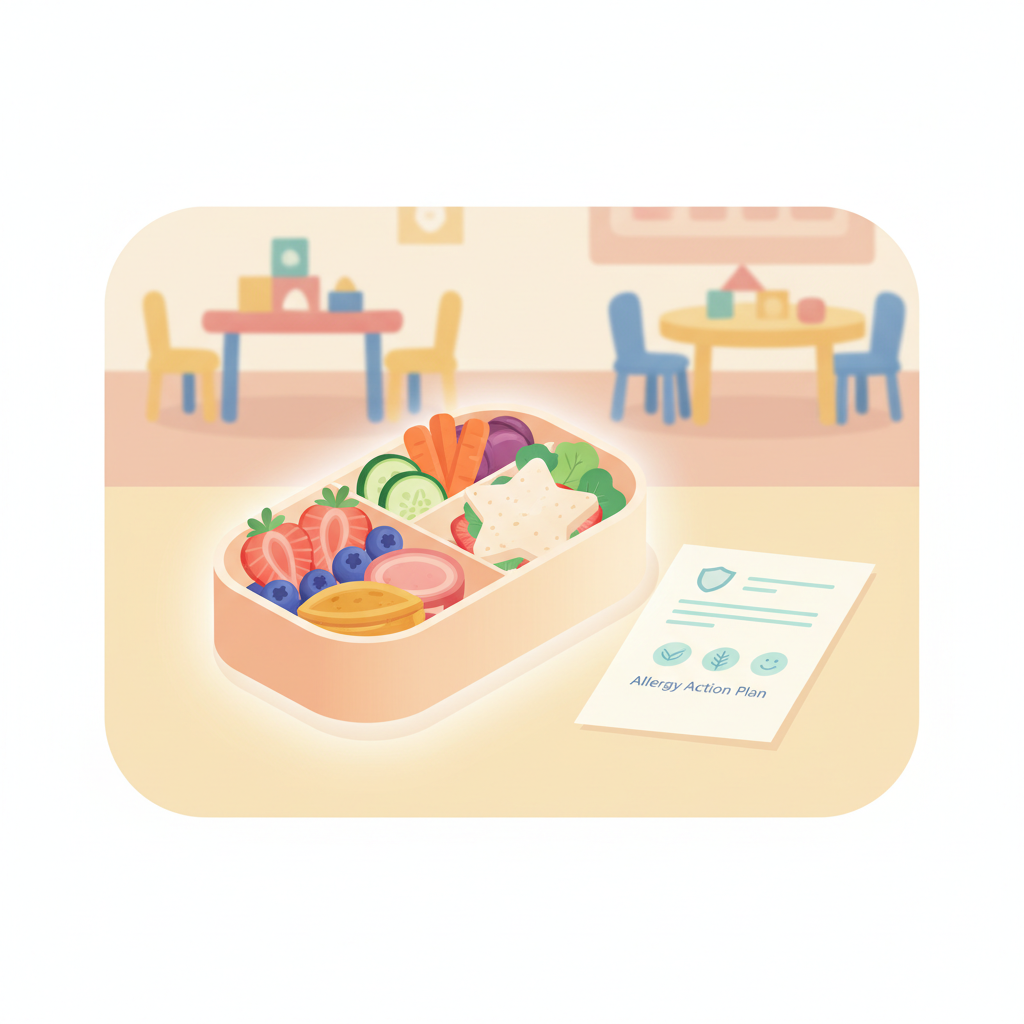
Navigating Food Allergies at Daycare: Lunch Suggestions & Tips for Toddlers
Your toddler is starting daycare, and you're packed with excitement about their new adventures. But if your little one has food allergies, that excitement might come with a healthy dose of worry, especially when it comes to lunchtime. Navigating food allergies at toddler daycare requires a strategic approach, focusing on clear communication and safe, appealing meal options.
Leaving your child in the care of others and entrusting them with managing food allergies is a significant step for any parent. Daycares, with their group settings and shared mealtimes, can present unique challenges. Understanding these challenges is the first step toward ensuring your child's safety and well-being.
The Nuances of Daycare and Food Allergies
Daycare environments are bustling places where many children eat together. This can increase the risk of accidental exposure to allergens, whether through shared utensils, surfaces, or even airborne particles. The sheer number of children and staff involved means that vigilance is paramount.
This is precisely why clear, consistent communication with your daycare providers is not just important; it's essential. It forms the bedrock of a safe environment for your allergic child. Without it, even the best-intentioned staff can inadvertently put your child at risk.
Prioritizing Open Lines of Communication
The CDC emphasizes the importance of clear communication among parents, caregivers, and healthcare providers when managing food allergies in school settings. This dialogue should be ongoing, not a one-time event. It ensures that everyone involved is on the same page regarding your child’s specific needs and the emergency protocols in place.
Your Daycare Food Allergy Communication Checklist
Establishing a strong partnership with your daycare begins with proactive communication before your child even starts. The goal is to provide them with all the information they need to keep your child safe, while also understanding their policies and procedures.
Initial Discussions: Setting the Stage
During your initial meetings with the daycare director and staff, make sure to openly discuss your child's food allergies. Ask about their policies for handling food allergies, staff training procedures, and how they manage mealtimes to prevent cross-contamination. Inquire about their allergy-friendly daycare lunches.
Discuss your child's specific allergens, the severity of their reactions, and any previous experiences you've had. Understanding their snack policies and whether they allow outside food is also crucial. Choosing the right childcare sick policies for home vs. center is also a critical component of ensuring safety.
Allergy Action Plans: Your Essential Guide
You will likely need to provide the daycare with a formal Allergy Action Plan, often developed in conjunction with your pediatrician or allergist. This document details:
- Your child's specific allergens.
- The symptoms of an allergic reaction.
- Step-by-step instructions on what to do in case of a reaction.
- Emergency contact information.
- Which medications to administer and when.
Ensure this plan is readily accessible to all staff who interact with your child. If your child has specific issues like verbal stimming in toddlers with speech delay, this plan can also incorporate strategies to support their communication needs.
Your Daycare Food Allergy Communication Checklist
Establishing a strong partnership with your daycare begins with proactive communication before your child even starts. The goal is to provide them with all the information they need to keep your child safe, while also understanding their policies and procedures.
Initial Discussions: Setting the Stage
During your initial meetings with the daycare director and staff, make sure to openly discuss your child's food allergies. Ask about their policies for handling food allergies, staff training procedures, and how they manage mealtimes to prevent cross-contamination. Inquire about their allergy-friendly daycare lunches.
Discuss your child's specific allergens, the severity of their reactions, and any previous experiences you've had. Understanding their snack policies and whether they allow outside food is also crucial.
Allergy Action Plans: Your Essential Guide
You will likely need to provide the daycare with a formal Allergy Action Plan, often developed in conjunction with your pediatrician or allergist. This document details:
- Your child's specific allergens.
- The symptoms of an allergic reaction.
- Step-by-step instructions on what to do in case of a reaction.
- Emergency contact information.
- Which medications to administer and when.
Ensure this plan is readily accessible to all staff who interact with your child.
Staying Connected: Regular Check-ins
Don't let communication halt after enrollment. Schedule regular check-ins with your child's teachers and the daycare administration. This allows you to share any updates regarding your child's allergies, discuss any concerns that have arisen, and reinforce safe practices. A quick chat at pickup or a brief email can go a long way. This is especially important when preparing your sensitive child for group daycare to ensure their unique needs are addressed.
Allergy-Friendly Toddler Lunch Ideas for Daycare
Wondering what to pack for a 2-year-old for daycare lunch when allergies are a concern? The key is to create balanced, nutritious meals that are both safe and appealing to your toddler. Focus on creating safe daycare meals for toddlers that are simple to prepare and transport.
Smart Packing for Cross-Contamination Prevention
Preventing cross-contamination is a top priority for allergy-friendly daycare lunches. Use separate cutting boards and utensils when preparing your child's food at home. Pack their lunch in a dedicated lunchbox, preferably insulated, with an ice pack to keep it cool and fresh.
Consider using bento-style boxes with individual compartments to keep different foods separated. This not only helps prevent mixing but also makes the meal visually interesting for your toddler.
Delicious Options for Common Allergies
Here are some toddler food allergy lunch ideas that cater to common restrictions:
Discover your baby's phase
- Nut-Free: Sunflower seed butter sandwiches on allergy-friendly bread, “Ants on a Log” (celery sticks with seed butter and raisins), trail mix made with seeds, dried fruit, and safe cereal.
- Dairy-Free: Coconut yogurt with fruit, dairy-free cheese sticks, smoothies made with dairy-free milk alternatives, and "cheese" crackers made with plant-based ingredients.
- Gluten-Free: Gluten-free pasta salad with chopped vegetables and chicken, rice cakes with sunbutter, corn or rice-based snacks, and fruit salad.
Boosting Nutrition and Appeal
Make meals exciting by incorporating a variety of colors and textures. Offer dips like hummus or seed butter to make raw vegetables more palatable. Cut sandwiches or fruits into fun shapes using cookie cutters. This is especially helpful if your child is a picky eater, and you need pediatrician-recommended supplements for picky eating toddlers.
What to Feed a Toddler With Food Allergies: Meal Components
When planning safe daycare meals for toddlers, think about balanced components that cover all the essential food groups, while strictly avoiding allergens.
Powerhouses of Protein (Non-Allergen)
For safe protein sources, consider:
- Shredded or diced chicken or turkey.
- Hard-boiled eggs (if tolerated).
- Beans and lentils (mashed or whole, depending on chewing ability).
- Seed butter (sunflower, pumpkin) for sandwiches or dipping.
If your 1-year-old refuses protein sources, these options are a great starting point for daycare lunches.
Vibrant Fruits and Vegetables
A rainbow of fruits and veggies offers essential vitamins and fiber:
- Berries (strawberries, blueberries, raspberries).
- Melon chunks (cantaloupe, watermelon).
- Apple slices (peeled if necessary for younger toddlers).
- Steamed or raw veggie sticks (carrots, cucumbers, bell peppers).
- Peas or corn (easy for little hands to pick up).
Wholesome Grains and Starches
Choose safe grains and starches as the base of many meals:
- Gluten-free pasta or regular pasta if gluten is tolerated.
- Rice (white, brown, or wild).
- Quinoa.
- Oatmeal (certified gluten-free if necessary).
- Allergy-friendly bread or crackers.
Hydration Heroes
Ensure your child stays well-hydrated:
- Water is always the best choice.
- Milk alternatives (such as soy, oat, or rice milk) if appropriate and cleared by your pediatrician.
Smart Packing and Labeling for Safe Daycare Lunches
The way you pack and label your child's lunch can make a significant difference in ensuring its safety and helping daycare staff manage it effectively.
Containers Designed for Safety
Invest in high-quality, compartmentalized lunch containers. Insulated lunch bags with ice packs are crucial for maintaining safe food temperatures, especially for foods like meats, dairy alternatives, and yogurt. Ensure containers are easy for daycare staff to open and close. For example, when preparing for travel, consider the best formula travel containers for airplane carry-on to understand smart packing.
Crystal Clear Labeling
Label every single container with your child's full name and clearly list the contents, especially noting any allergens that are not present. For example, if you are packing a nut-free lunch, you might label it "Leo's Nut-Free Lunch." This provides an extra layer of assurance for the staff.
Emergency Medications: Ready and Accessible
If your child has a prescription for epinephrine (like an EpiPen) or antihistamines, ensure the daycare has a clear plan for storing and accessing these medications. They should be kept easily accessible in case of an emergency, but out of reach of children. Confirm the expiration dates regularly.
Advocacy and Support: Being Your Child's Best Ally
Your role as an advocate for your child's safety is ongoing. Building a positive, collaborative relationship with your daycare is key.
Forging a Partnership with Daycare Staff
See the daycare staff as partners in your child's care. Approach them with respect and a willingness to work together. By providing clear information and being open to their feedback, you can build a strong alliance focused on your child's well-being. This is also crucial when explaining separation anxiety to daycare teachers effectively to ensure a supportive environment.
When to Seek Professional Guidance
The CDC and the AAP recommend that parents work closely with their healthcare providers to manage food allergies. If you have concerns about your child's reactions, their meal plan, or the daycare's handling of allergies, don't hesitate to contact your pediatrician or allergist. They can offer tailored advice and support. They can also help with issues like toddler hearing screening and early intervention referrals if concerns arise.
Finding Your Tribe
Managing food allergies can feel isolating at times. Connect with other parents who navigate similar challenges. Online forums, support groups, and allergy advocacy organizations can provide a valuable sense of community, shared experiences, and practical tips for navigating everything from school lunches to everyday life.