Toddler Drinks Too Much Milk? Balance Solids & Milk Intake
Is your toddler drinking too much milk, affecting their solid food intake? Learn expert guidelines on milk quantity and practical strategies to encourage healthy eating habits.
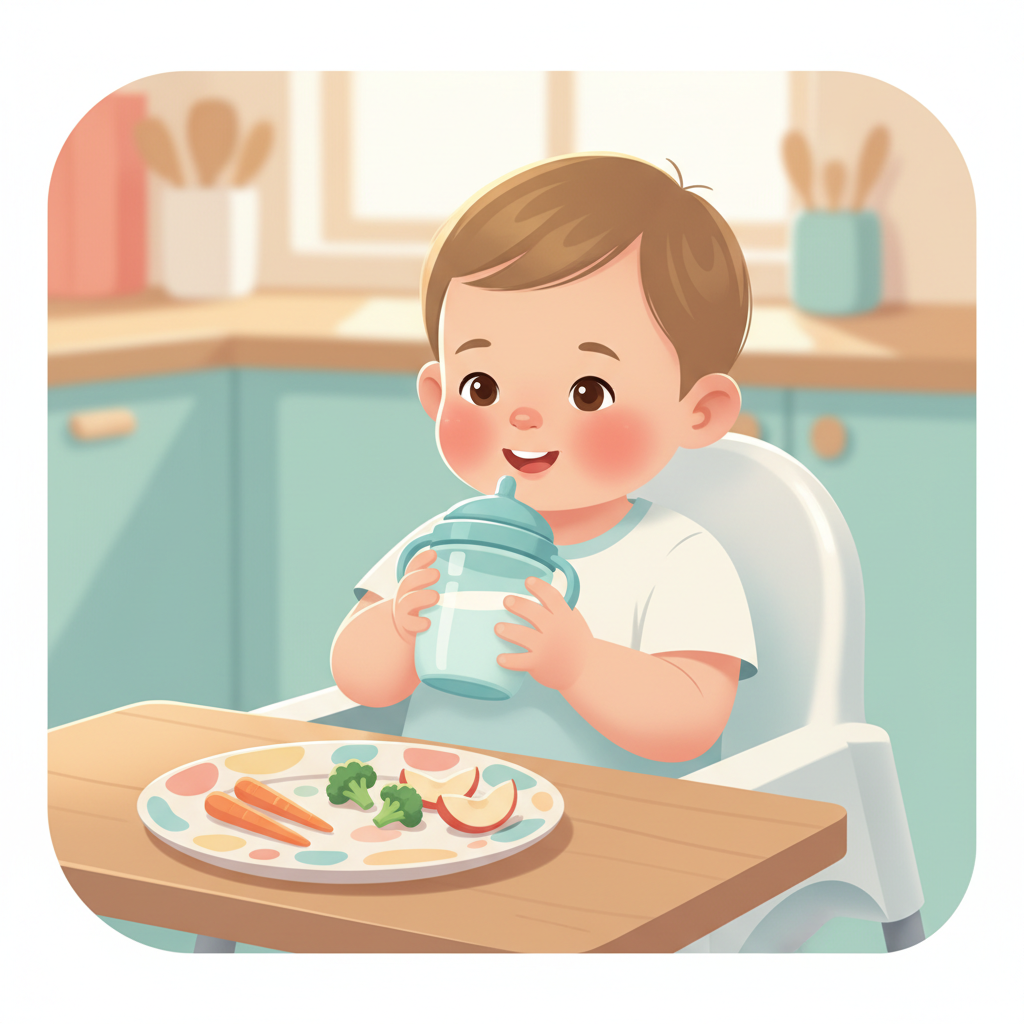
Toddler Drinks Too Much Milk Affecting Solids? A Guide for Parents
Is your toddler a "milk monster," seemingly preferring their sippy cup over everything else on their plate? You're not alone. Many parents find themselves navigating the tricky balance between ensuring their child gets enough calcium and other nutrients from milk, while also making sure they're filling up on the wide variety of solid foods crucial for development. If you suspect your toddler drinks too much milk, affecting their solid food intake, this guide is for you. We'll break down expert recommendations and offer practical strategies to help you find that healthy balance.
Is Your Toddler Hogging the Milk? Understanding the Challenge
Toddlers often develop a strong preference for milk for understandable reasons. It's familiar, soothing, and tastes good. However, milk, while nutritious, can also be quite filling. This can inadvertently lead to a situation where a child is consuming so much milk that they don't have much room or appetite left for other foods. If your toddler drinks too much milk, it might be a case of them filling up on a preferred liquid rather than exploring the diverse nutrients available in a balanced diet.
This preference isn't necessarily a deliberate choice to avoid healthy meals. It's more about how their little bodies and appetites work. Milk provides a good source of calories and fat, which can be very satisfying. When a toddler is full from milk, they simply won't be as interested in trying new textures or flavors from solid foods, even if those foods are perfectly healthy.
How Much Milk is "Too Much"? Following the Guidelines
The American Academy of Pediatrics (AAP) offers clear guidelines on appropriate milk intake for young children. For toddlers aged 1 through 3 years old, the general recommendation is about 16 to 24 ounces of milk per day. This applies to whole milk for children aged 1-2. After age 2, children can transition to lower-fat milk if recommended by their pediatrician.
It's important to distinguish between different types of milk and alternatives. Whole milk is specifically recommended for children between 1 and 2 years old because they need the fat content for brain development. After age 2, if your child is eating a varied diet and has no specific health concerns, their pediatrician might suggest a switch to reduced-fat (2%) or low-fat (1%) milk.
When considering "how much milk is too much for a 2-year-old," aiming for within that 16-24 ounce range is key. Exceeding this significantly can displace other important foods. This is also true when considering milk alternatives; ensure they are fortified with calcium and Vitamin D if you opt for something other than cow's milk, and discuss this choice with your pediatrician.
On the other hand, if your main concern is about picky eating in general, and you're wondering if supplements could help, it's worth exploring what pediatricians recommend for supplements for picky eating toddlers.
Red Flags: When Milk Intake Might Be Causing Issues
What happens when toddlers drink too much milk? Several signs can indicate that milk consumption might be interfering with a balanced diet and overall well-being. One of the most common concerns is the impact on solid food intake. If your toddler consistently refuses meals or snacks, or shows little interest in food, excessive milk consumption could be the culprit.
Discover your baby's phase
This can lead to nutrient deficiencies. For instance, milk is not a significant source of iron. If a toddler fills up on milk, they may not consume enough iron-rich foods, potentially leading to iron deficiency anemia. The same can be true for other vital nutrients like zinc and Vitamin D, depending on the overall diet. For a 1-year-old who refuses protein sources, it's important to address this directly, as it can also lead to similar nutrient concerns.
Constipation is another common consequence. Milk can slow down digestion for some children, and drinking large quantities can exacerbate this, leading to stool that is difficult to pass. This can be uncomfortable for your little one and may cause resistance to eating due to stomach discomfort.
In some cases, too much milk can also be associated with weight concerns. While it might seem counterintuitive, excessive milk intake can sometimes contribute to a child being underweight because they are displacing higher-calorie, nutrient-dense solid foods. Conversely, for some children, the extra calories from large amounts of milk, especially if combined with less activity, can contribute to being overweight.
Practical Steps to Nurture a Love for Solid Foods
If you've noticed your toddler drinks too much milk at night or throughout the day, affecting their appetite for meals, there are practical strategies you can implement. The goal is to gradually reduce milk intake and encourage a greater appreciation for a variety of solid foods.
Here's a step-by-step approach:
- Gradual Reduction: Don't aim to eliminate milk overnight. Instead, slowly decrease the amount offered. If your toddler usually drinks 10 ounces at breakfast and lunch, try offering 8 ounces for a week, then 6 ounces, and so on.
- Strategic Timing: Offer milk with meals, not as a standalone beverage between meals. This ensures that milk consumption doesn't fill them up before their next meal or snack. A good rule of thumb is to offer milk after they have eaten some solid food.
- Limit Sippy Cup Access: Keep milk in a designated cup for mealtimes. Avoid letting them wander with a sippy cup of milk filled throughout the day.
- Make Mealtimes Appealing: Present a variety of colorful, healthy foods. Offer new foods alongside familiar favorites. Don't pressure your child to eat, but continue to offer opportunities to try different things. Sometimes, making food fun with shapes or "dip" options can encourage acceptance; if your toddler throws a remote due to screen time meltdowns, strategies for managing these emotional outbursts could also apply to mealtime challenges.
- Water is Your Friend: Offer water between meals. This helps quench thirst without filling them up on calories or displacing their appetite for nutrient-rich foods.
- Address Nighttime Habits: If your toddler is drinking too much milk at night, consider gradually reducing the amount in their bottle or sippy cup, or diluting it slightly with water over time. You can also try offering a small, water-based drink or simply a comforting cuddle if they wake up.
When to Seek Professional Guidance
While these strategies can be very effective, it's always wise to consult with your pediatrician. They can provide personalized advice based on your child's specific growth patterns, nutritional status, and overall health.
You should definitely speak with your pediatrician if you observe persistent issues such as:
- Significant refusal of meals or specific food groups.
- Signs of nutrient deficiencies (e.g., extreme paleness, lack of energy).
- Ongoing constipation or digestive problems.
- Concerns about your child's weight (either underweight or overweight).
- Any other health or developmental concerns you have.