Toddler Hitting After Screen Time? Gentle Parenting Solutions
Experiencing toddler hitting when screen time ends? Discover gentle parenting strategies to de-escalate, teach emotional regulation, and prevent future conflicts.
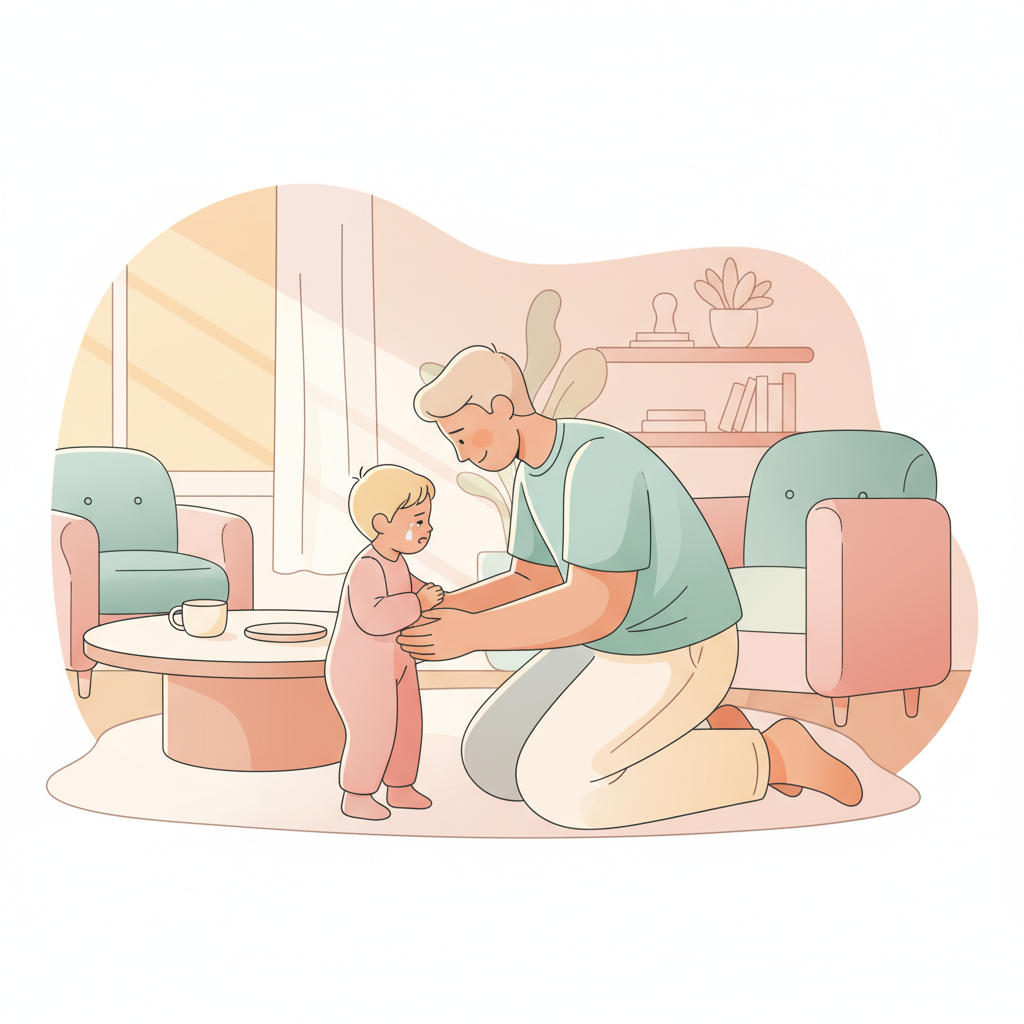
It’s 5 PM. You just finished wrestling Noah into his pajamas, the smell of dinner lingering in the air, and you let him have just ten more minutes of his favorite cartoon. You announce, “Five more minutes, then it’s time to say goodbye to Puppy Dog Pals!” And then it happens. The second the screen goes dark, your sweet toddler transforms into a tiny Hulk, complete with flailing limbs and a sound I swear is illegal in some countries. And then, the inevitable: a swat to your arm, a shove, or a direct hit to your leg. Real talk: toddler hitting after screen time is a special kind of parenting frustration.
If this sounds familiar, exhale, mama. You are so, so not alone. Honestly, navigating what feels like toddlers' emotional regulation screen time struggles, especially when screen time ends, can be incredibly tough. It feels like one minute they’re happy, and the next, you’re in the thick of a tantrum. But here’s the thing: that hitting isn't necessarily defiance. It’s often a sign of overwhelm.
The Screen Time Shutdown: Why the Meltdown Happens
Look, screens are designed to be engaging. They’re bright, they’re loud, and they move fast. For a toddler’s developing brain, jumping from that high-stimulation environment to, say, putting blocks away, is a monumental shift. It’s a hard exit, and they often aren’t equipped to handle it smoothly.
Think about it from their perspective (when you have a spare moment, which is probably never). Their brains are literally re-wiring themselves, and the rapid-fire input from a screen is like a super-dose of dopamine. When that abruptly stops, it’s not just a transition; it’s a jarring disconnect. They might feel suddenly disoriented, frustrated, or even a little bit panicked.
This is where the hitting often comes in. It’s their way of expressing that big, confusing feeling when they don’t have the words. Handling tantrums after tablet time is a classic challenge for so many of us. For more on managing screen time, learn how to discuss screen time rules with grandparents for your toddler.
First Response: De-escalate with Empathy
Okay, so the screen is off, and the hitting starts. Your first instinct might be to yell, to punish, to say, "No hitting!" And while the intention is good, when a toddler is already in the throes of an emotional tsunami, those reactions can often make things worse.
The most crucial thing you can do in that split second is stay calm. I know, I absolutely know. It’s like telling a drowning person to just relax. But your calm presence is your most powerful tool. Take a deep breath, or even two.
Once you can regulate yourself a little, acknowledge their feelings without condoning the behavior. You can say something like, "Oh, you’re really mad that screen time is over. It’s hard to say goodbye to your show." You’re validating the emotion – the anger, the frustration – but you’re not saying it’s okay to hit.
This is where distinguishing between a physical "ouch" and a verbal one comes into play. If they’re hitting, you might need to gently block their hands and say, "I can’t let you hit me." But the verbal part is key: "You feel angry. Hitting hurts."
Gentle Parenting Tools for the Moment
The foundation of a gentle parenting response to toddler hitting when screen time ends is connection. When they're agitated, they need you more than they need correction. Managing sensory seeking toddler behavior at home can be very helpful during these moments.
Discover your baby's phase
Your calm presence is a powerful anchor. Kneel down to their level. You don't need to say much, just be there. Sometimes, just softening your expression and offering a gentle hand on their back can make a difference.
Another tool? Offering choices, within limits. This gives them a sense of control in a situation where they feel out of control. Instead of "Time to get off," try, "Puppy Dog Pals are all done. Would you like to put the remote away, or should I?" Or, "It's screen time over. Do you want to have a cuddle, or do you want to go find your stacking cups?" It's not about them choosing whether to be off the screen, but how they transition.
Redirecting their energy is also huge. If they're hitting, they have a lot of pent-up energy. Can you redirect it? "Wow, you have so much energy! Let's stomp our feet! Stomp, stomp, stomp!" Or, "Let's go be super strong and carry this pillow to the couch." You're acknowledging the energy, not suppressing it, and giving it a safe outlet.
Teaching Emotional Regulation (Beyond the Hitting)
The truth is, toddler hitting after screen time is often a symptom of a larger need: learning how to handle big feelings. Gentle discipline screen time strategies focus on building those skills over time. Toddler refusing to poop on the potty can be another instance where emotional regulation is key.
Start by labeling emotions for your toddler. "Are you feeling frustrated because the tower fell down?" "Are you sad because Daddy left for work?" Even if they can’t say the words themselves yet, they’re absorbing them. This builds their emotional vocabulary.
Help them find their own coping strategies when they’re not in the middle of a meltdown. What helps them calm down? Maybe it's a specific blanket, squeezing a squishy toy, looking at a book of family photos, or a quiet corner to sit. You can practice these together when they’re calm.
And always, always remember the power of connection before correction. When your toddler is upset, they need to feel seen and loved first. Once they feel safe and connected, they are much more receptive to learning. Try to make those moments of transition, or the aftermath of a tantrum, opportunities for connection rather than just focusing on the "bad" behavior.
Preventing Future Screen Time Battles
Prevention is always better than a cure, right? And when it comes to toddlers' emotional regulation screen time, setting up for success makes a huge difference. If grandparents are involved in screen time, a conversation may be necessary. Discussing toddler screen time rules with grandparents can help align expectations and prevent conflicts.
Before screen time even starts, set clear expectations. "We’re going to watch one episode, and then it will be time to play blocks." Use a visual timer if that helps. When the timer goes off or you say it’s time, have a transition ready. "Okay, the show is almost over. In two minutes, Puppy Dog Pals will say goodbye, and then we’ll go put your toys away."
Establishing screen time limits and routines is also key. Most pediatricians and child development experts suggest that for children under 18 months, it's best to avoid screen media altogether, except for video-chatting. For older toddlers, it’s about quality and consistency. Stick to your limits and your routine as much as possible. This predictability helps their brains adjust.
Finally, balance screen time with other activities. Ensure your child has plenty of opportunities for unstructured play, outdoor time, reading books, and engaging with you and other family members. When screens are just one part of a rich, varied day, they are less likely to become the sole source of stimulation and more likely to be enjoyed in moderation. Consider creative ways to offer vegetables to a picky 2 year old or looking into creative plastic-free toddler lunches for daycare as alternative engaging activities.
Navigating these intense moments with toddlers is a marathon, not a sprint. Your gentle parenting response to toddler hitting when screen time ends isn't about eradicating meltdowns entirely – that’s unrealistic for this age. It’s about building connection, teaching coping skills, and helping your child feel understood, even when they're having a hard time. And that, mamas, is always worth it.