Toddler Only Eats Carbs & Dairy? Simple Tips to Expand Diet
Is your toddler only eating carbs and dairy, avoiding fruits and veggies? Discover gentle strategies to encourage new foods without mealtime stress.
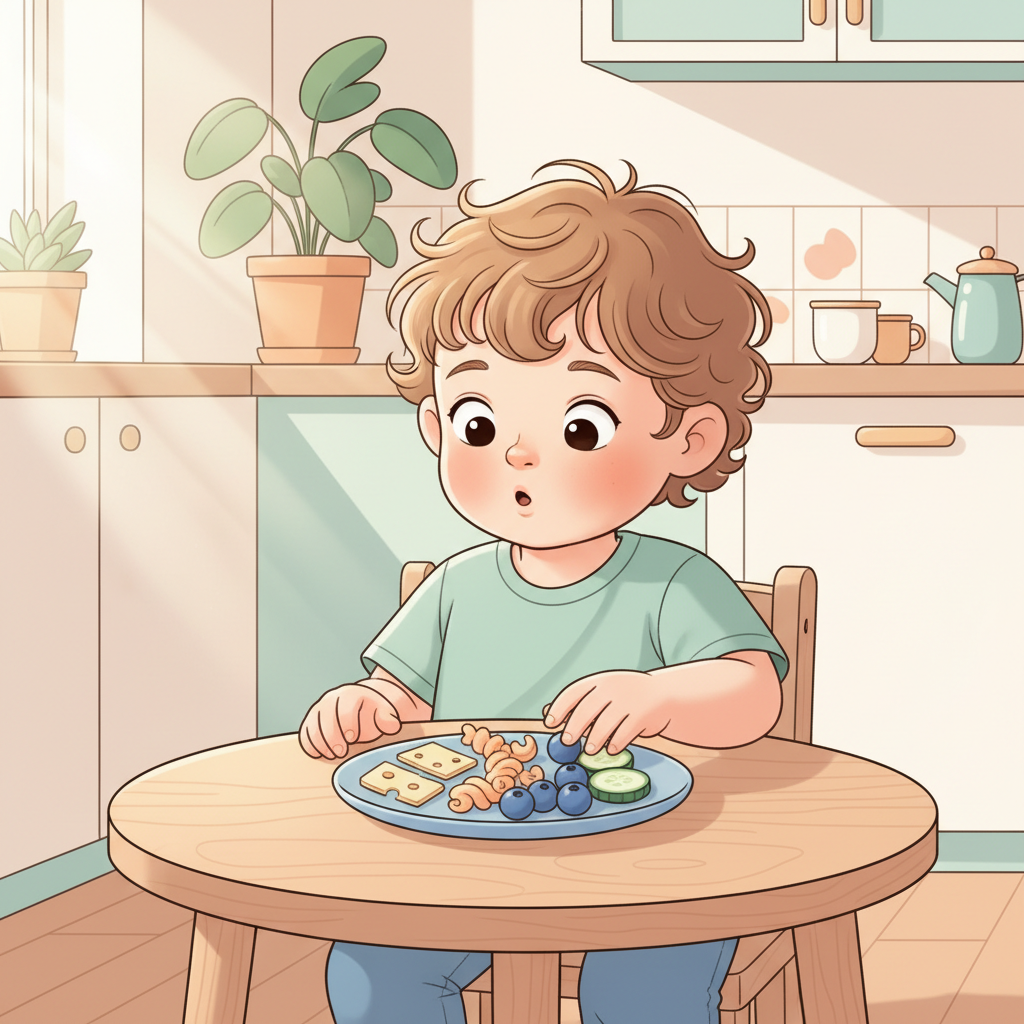
Toddler Only Eats Carbs & Dairy? Gently Expanding Their Plate
With my first child, Leo, the idea of a balanced meal felt like a divine decree. Applesauce was a food group, and broccoli was non-negotiable. If he even sniffed a carrot stick, I considered it a win. By the time baby number four, Chloe, arrived, my approach had softened considerably. I learned that stressing about how many grams of fiber she consumed at age two was far less important than ensuring our mealtimes didn't descend into a daily war zone. If your toddler will only eat carbs and dairy, refusing fruits and vegetables, please know you are not alone. The pressure you feel is real, but it doesn't have to consume you.
Is This Just a Phase, or Is My Toddler a 'Picky Eater' Forever?
Looking back, the biggest relief came when I understood the spectrum of childhood eating. Most of the time, what feels like a crisis is simply a developmental stage. Toddlers are exploring their independence, and food is a prime arena for that exploration. They are naturally drawn to sweet, salty, and fatty foods, which is why the carb and dairy obsession is so common.
When to be concerned? With my older ones, I’d worry if they were losing weight, seemed consistently lethargic, or if their aversions were so severe they showed distress or gagging at any new food, not just a select few. That’s when it might be moving beyond typical picky eating into something called food rigidity. The truth is that most toddlers go through periods of intense pickiness, and it usually resolves with time and patient exposure. This phase, as intense as it feels, often passes. If your toddler only eats white foods like pasta and bread, consult these expert tips for picky eaters. Toddler Only Eats White Foods? Expert Tips for Picky Eaters.
The Allure of Carbs, Dairy, and the Vegetable Void
Why this specific diet, you ask? It’s a fascinating mix of biology and personality. Our brains are wired to seek out calories and fat for survival, and for many toddlers, carbohydrates and dairy hit that sweet spot. They’re often familiar, have predictable textures, and are readily available. We're talking about the comforting crunch of crackers, the melty goodness of cheese, and the smooth sweetness of yogurt. These are predictable, safe foods for a developing palate.
Then there’s the sensory aspect. Toddlers have thousands of taste buds and are highly sensitive to textures, smells, and even the appearance of food. A mushy pea or a stringy green bean can be a sensory minefield. So, a toddler’s limited diet often stems from a preference for smooth, uniform textures and flavors they already know and trust. If your toddler won't eat produce, it is likely not a deliberate act of defiance, but a sensory preference. Consider dairy & egg free toddler snacks if dairy is a component of their limited diet. Dairy & Egg Free Toddler Snacks: Easy Pack Ideas On-the-Go.
Gentle Strategies: From Carb King to a More Adventurous Eater
If I could tell my younger self one thing about navigating this, it would be: focus on exposure, not on immediate consumption. Your goal isn't to get them to eat a whole plate of spinach today, but to build a foundation of familiarity.
The 'Exposure, Not Expectation' Approach
This is key. Keep offering a variety of foods, even if they're rejected 99 times. Place a small portion of a new fruit or vegetable on their plate alongside their beloved pasta or cheese. Don’t make a big deal if they ignore it. The goal is for them to see it, be around it, and slowly, subtly, get used to its presence. Over time, that visual familiarity can breed a willingness to try. If your toddler is refusing all vegetables, discover gentle baby-led weaning ideas and strategies to encourage exploration and build healthy eating habits without pressure. Baby-Led Weaning: Toddler Refusing Veggies? Gentle Ideas.
Discover your baby's phase
The Sneaky Chef (and the Boldly Presented Chef)
There are two camps here, and a mix often works best. The "sneaky chef" incorporates pureed or finely chopped veggies into familiar foods. Think adding pureed cauliflower to mac and cheese, blending zucchini into muffins, or hiding grated carrots in pasta sauce. Just be mindful that sometimes, toddlers can detect these changes, which can lead to mistrust.
The "boldly presented chef" approaches it differently. This means offering whole, colorful, or interesting-shaped vegetables and fruits. Maybe it’s colorful bell pepper strips, sweet potato fries, or whole berries. Sometimes, just presenting it in a fun way makes it more approachable. Don't over-prepare it; often, raw or lightly steamed is best for texture.
Empowering Choices: The Art of the Safe Option
Toddlers crave control. Giving them a choice, even a limited one, can be surprisingly effective. Offer two acceptable "side" options, one of which is a fruit or vegetable. "Would you like apple slices or cucumber sticks with your crackers?" If they choose neither, that's okay. What you don't want is to turn meals into a power struggle. Keep the choices within what you're comfortable offering, and let them pick from that selection.
Making Food Fun: Playful Approaches to Healthy Eating
Mealtimes don't have to be so serious. We’ve had "Dinosaur Dinner" where broccoli florets were "trees" and grapes were "dinosaur eggs." We've made "rainbow plates" with small portions of different colored fruits and veggies. These are fantastic ways to make food appealing without pressure.
Involving them in meal prep is another game-changer. Let them wash strawberries, stir batter (with supervision, of course), or help arrange cut vegetables on a plate. When they have a hand in creating the meal, they're often more invested in trying it.
And, of course, lead by example. If you visibly enjoy eating a variety of foods, they are more likely to follow suit. Even if asparagus isn’t your favorite thing in the world, try preparing it in a new way and taking a bite yourself. Your toddler is watching and learning from your behavior.
When to Seek Professional Advice: Red Flags to Watch For
While most picky eating is a phase, there are times when it's wise to consult your pediatrician. If your child is significantly underweight or losing weight, or if your doctor is concerned about potential nutrient deficiencies like iron or vitamin D, that’s a clear signal to get professional guidance.
Other red flags include a severe restriction of food groups beyond just produce, or if your child experiences significant distress, vomiting, or gagging every time they're offered new foods. Feeding difficulties that seem to impact their overall development or milestones are also reasons to reach out. Your pediatrician can assess if there’s an underlying issue or developmental concern. For instance, if your toddler eats dirt, it might be a developmental concern like pica, so it’s best to be aware of the warning signs. Toddler Eats Dirt: When is it a Developmental Concern?.