Toddler Only Eats Mac & Cheese: Gentle Fixes & When to Worry
Is your toddler only eating mac and cheese and chicken nuggets? Learn why this happens, gentle strategies to expand their diet, and red flags for when to consult a pediatrician.
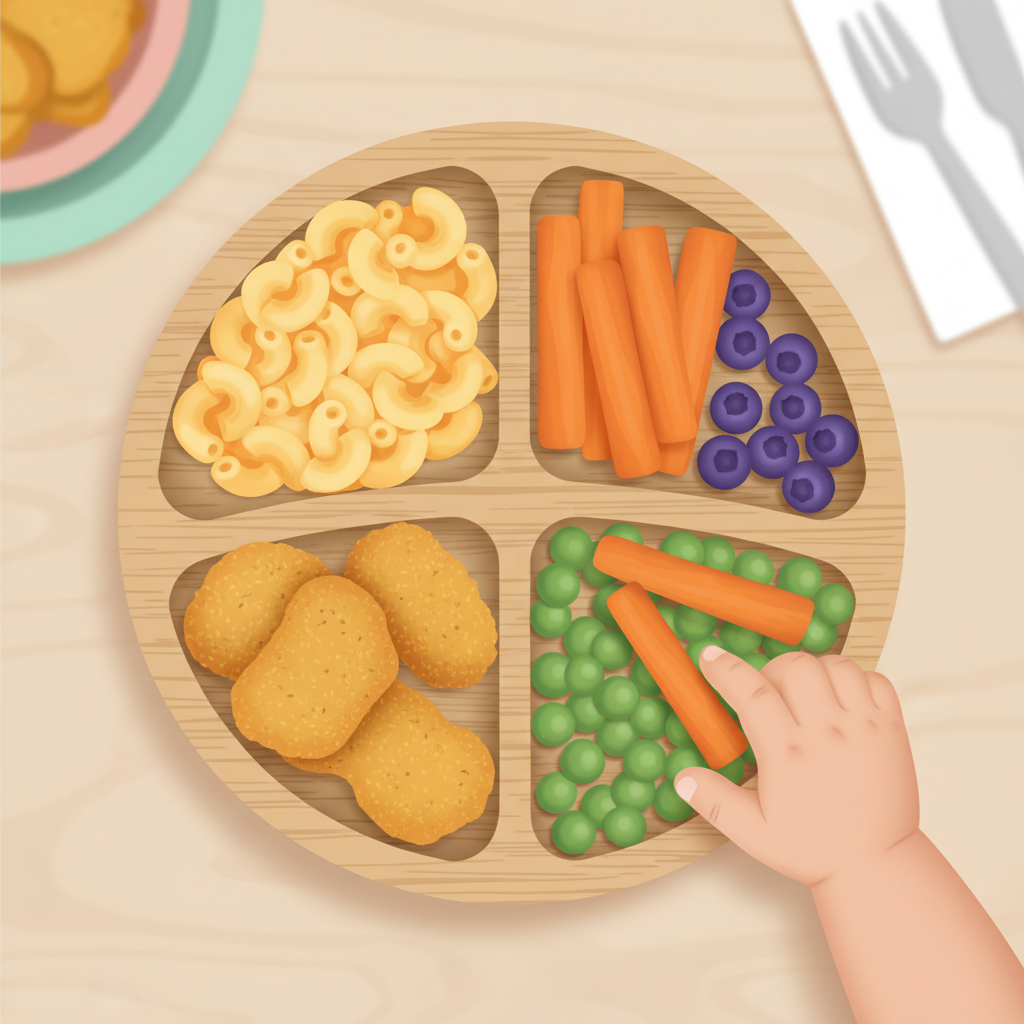
Toddler Only Eats Mac & Cheese? Real Talk & Gentle Fixes
Your toddler insists on mac and cheese and chicken nuggets for nearly every meal – is this a phase, or something more? You're not alone. Many parents find themselves navigating this common toddler behavior, often seeking answers and solutions online. This fixation on a few "safe" foods is a frequent topic of discussion, and understanding the "why" can be the first step towards gentle diversification of your child’s diet.
Why Your Toddler Might Be a Mac & Cheese and Nugget Connoisseur
It's easy to feel frustrated when your child turns up their nose at anything unfamiliar. The good news is that this food selectivity, particularly a preference for foods like mac and cheese and chicken nuggets, is very common in toddlerhood and often has understandable roots.
The Science of Picky Eating: Why Repetitive Foods Appeal
Toddlers are in a stage of rapid development, and this extends to their eating habits. As the American Academy of Pediatrics (AAP) explains, picky eating is a normal part of development for many children. The predictability of familiar foods like mac and cheese or chicken nuggets can be very comforting. Pediatrician Recommended Supplements for Picky Eating Toddlers can sometimes be a consideration if nutritional gaps are a concern.
These often processed foods tend to have consistent flavors and textures that are generally appealing to young palates. They are typically mild, not too bitter or spicy, and the textures are usually soft or easily managed. This consistency helps toddlers feel secure, especially as they navigate new tastes and textures.
Sensory Preferences: Textures, Flavors, and Familiarity
Toddlers are highly sensitive to sensory input. The smooth, creamy texture of mac and cheese or the crispy exterior and soft interior of a chicken nugget can be particularly appealing. Conversely, foods with mixed textures (like a stew) or less predictable sensations can be off-putting.
Flavor profiles also play a role. Many "kid-friendly" foods are high in fat and carbohydrates, which toddlers naturally gravitate towards. This doesn't mean they dislike healthy foods; they simply prefer the familiar and easy-to-process options that require less effort to chew and swallow.
Toddler Independence: The Battle for Control at Mealtime
Toddlerhood is a prime time for asserting independence. Food is one of the few areas where toddlers can exert a significant amount of control. Refusing a food, or demanding a preferred food, is a way for them to say, "I am in charge of this."
This drive for autonomy can make mealtimes a battleground if parents push too hard. When a toddler only eats mac and cheese or chicken nuggets, it can feel like a direct challenge to parental authority and a concern for nutrition, but it's often rooted in a normal developmental stage.
When to Be Concerned: What's Typical vs. When to Really Check In
It's normal for toddlers to go through phases of picky eating. However, there are times when this behavior might signal something more significant. Understanding the difference is key.
Normal Picky Eating vs. Potential Red Flags
Most toddlers who are picky eaters are still growing well and getting enough nutrients from the limited range of foods they accept. This is often referred to as "normal picky eating." The CDC notes that while picky eating can be frustrating, few children with typical picky eating patterns have serious nutritional deficiencies.
However, red flags might include:
- Significant weight loss or failure to gain weight as expected for their age.
- Choking, gagging, or vomiting frequently during meals.
- Extreme distress or sensory aversion to certain food textures, smells, or appearances.
- A very limited diet – for example, eating fewer than 15-20 different foods.
- Appearing unwell, lethargic, or having very low energy.
The 'Nutrient Safety Net' and Why It's Often Stronger Than You Think
Many parents worry that their toddler isn't getting enough vitamins and minerals if their diet is limited. While a diverse diet is ideal, toddlers often have a surprising "nutrient safety net." This means that even with a limited intake, they may be obtaining sufficient nutrients if they are including some sources of key vitamins and minerals within their accepted foods.
For example, fortified mac and cheese might provide calcium and vitamin D, and chicken nuggets can contribute protein. However, this safety net has its limits, and relying on it long-term without diversification can lead to deficiencies. Consider healthy toddler snack ideas for daycare to supplement meals.
Briefly: What is ARFID, and How It Differs from Typical Picky Eating
A more serious condition to be aware of is Avoidant/Restrictive Food Intake Disorder (ARFID). This is not the same as typical picky eating. The FDA notes that ARFID is an eating disturbance characterized by a failure to meet appropriate nutritional and/or energy needs through oral intake.
Children with ARFID may show a lack of interest in eating or food, avoidance based on sensory characteristics of food, or avoidance due to a fear of negative consequences like choking or vomiting. Unlike typical picky eating, ARFID significantly impairs a child's physical health and/or psychosocial functioning and can lead to significant nutritional deficiencies and growth problems. If you suspect ARFID, it's crucial to consult with a pediatrician or a specialized healthcare professional.
Gentle Transitions: Strategies Beyond the Nugget (No Power Struggles Here)
The goal is to expand your toddler's palate without creating persistent mealtime battles. Research suggests that consistent, low-pressure exposure to new foods is more effective than force.
The 'Exposure Method': Little Bites, Many Times
The evidence shows that it can take 10 to 15 exposures for a child to even try a new food, let alone accept it. This means offering a tiny portion of a new food alongside familiar favorites, without pressure.
For instance, if your toddler loves mac and cheese, you can serve a small spoonful of steamed broccoli next to it. Even if they don't touch it, they are seeing it, smelling it, and becoming familiar with its presence. Over time, this repeated exposure can reduce anxiety around new foods. This is similar to how transitioning sensitive toddlers from nanny to daycare relies on gradual introduction and comfort.
Deconstructing Favorite Foods: Mac & Cheese Modifications
You can leverage your toddler's love for certain foods to introduce variety. Try modifying the beloved mac and cheese:
- Add Pureed Veggies: Blend cooked carrots, sweet potatoes, or butternut squash into the cheese sauce. The color might change slightly, but the flavor can be masked.
- Change the Pasta: Introduce different shapes or whole wheat pasta. If that’s too much, start with a 50/50 mix of white and whole wheat.
- Incorporate Protein: Stir in finely shredded chicken or pureed white beans.
Similarly, with chicken nuggets, you can try homemade versions that use different breading or are baked rather than fried. You can also serve a new dipping sauce on the side to encourage interaction with another flavor.
Discover your baby's phase
The 'One Bite Rule' (and Alternatives)
Some parents find a "one bite rule" helpful, where the child is asked to take just one taste of a new food. However, the AAP advises against pressing children to eat specific foods, as this can backfire and create negative associations.
An alternative approach is the "no thank you" bite. This means a child can decline to eat a new food, but they are encouraged to at least touch it, smell it, or put it on their plate. This still involves interaction without outright pressure. Focus on building comfort around the food's presence.
Making New Foods Familiar: Presentation and Play
How food looks on the plate matters.
- Fun Shapes: Use cookie cutters to make sandwiches or fruit into fun shapes.
- Dipping: Offer healthy dips like hummus, yogurt-based dips, or applesauce. Many toddlers love to dip!
- Playful Names: Call broccoli "little trees" or peas "green pearls."
Involving them in the process can also help. Let them help wash vegetables or stir ingredients. This can increase their interest and willingness to try what they helped create.
Making Mealtime Peaceful: Creating a Positive Eating Environment
The atmosphere at the table can significantly impact a child's willingness to eat and explore new foods.
Division of Responsibility: Who Does What at the Table
When it comes to feeding, Ellyn Satter’s Division of Responsibility is a widely respected model. The parent’s job is to decide:
- What food is offered
- When meals and snacks are offered
- Where meals and snacks are eaten
The child’s job is to decide:
- Whether to eat what is offered
- How much to eat
This framework reduces mealtime conflict by clearly defining roles and encouraging parents to offer a variety of healthy foods without forcing consumption.
Minimizing Distractions and Modeling Good Habits
Turn off the TV, put away tablets and phones, and create a dedicated mealtime space. This helps your toddler focus on eating and family interaction. It also provides an opportunity for them to observe you and other family members enjoying a variety of foods, which is powerful modeling. Creating a quiet sleep environment in a shared toddler room is also about reducing distractions for a better outcome.
Eat together as a family whenever possible. When you show enthusiasm for healthy meals and try new things yourself, your child is more likely to follow suit.
Involving Toddlers in Food Prep: From Store to Plate
Let your toddler participate in age-appropriate ways:
- At the grocery store: Let them pick out a new vegetable or fruit to try.
- In the kitchen: Have them wash produce, stir ingredients (with supervision), or sprinkle herbs.
- Setting the table: They can help place napkins or utensils.
This involvement fosters a sense of ownership and curiosity about food.
Beyond the Plate: Holistic Approaches to Toddler Nutrition
Understanding your toddler’s overall nutritional picture involves more than just their main meals.
Understanding Growth Spurts and Calorie Needs
Toddlers' appetites can fluctuate significantly. They may eat a lot one day and very little the next. This is often tied to growth spurts, illness, or changes in activity levels.
The AAP reminds parents that children typically manage their own calorie intake quite well over time, provided they have access to healthy food options. Trusting your child's cues for hunger and fullness, within the structure of regular meals and snacks, is important. If sleep is an issue alongside eating, learning how to encourage baby to sleep past 5 am without crying it out might be helpful.
The Role of Snacks: Fueling vs. Filling Up
Snacks are an important part of a toddler’s diet, providing essential energy and nutrients between meals. However, the timing and content of snacks matter.
Offer nutrient-dense snacks that complement meals, rather than filling up on empty calories. Fruit, yogurt, cheese sticks, whole-grain crackers, or small portions of vegetables are good choices. Avoid offering snacks too close to meal times, as this can reduce appetite for the main meal.
When to Call the Pediatrician (Seriously, Call Them!)
While many of these strategies aim to support a healthy relationship with food and gentle expansion of the diet, there are times when professional guidance is essential.
If you have significant concerns about your toddler's growth, weight, development, or the extreme nature of their picky eating, the pediatrician is your best resource. They can assess your child's overall health, rule out any underlying medical issues, and provide personalized advice or refer you to specialists like a registered dietitian or feeding therapist if needed. Many parents find that sharing their struggles with their pediatrician opens the door to effective support.