Toddler Only Gestures for Wants? 10 Ways to Encourage Words
Is your toddler only using gestures to communicate their wants instead of words? Discover gentle, effective strategies to encourage verbal expression and support their language development journey.
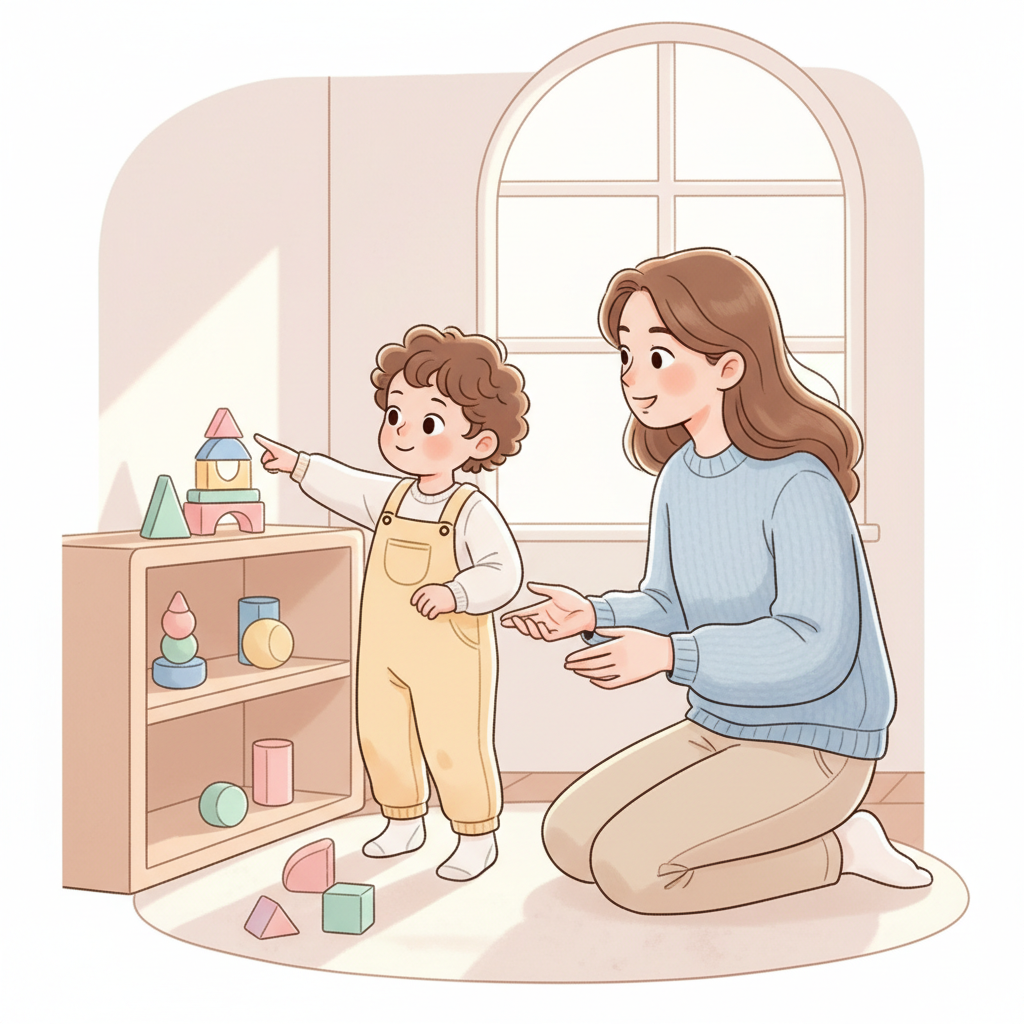
Toddler Only Gestures for Wants? Gentle Ways to Encourage Words
Your 18-month-old points insistently at a cup, looking at you expectantly for a sip of milk. You hand it over, and they happily drink. This is a classic toddler communication win, but what if this is the only way they communicate their wants? What if your toddler only uses gestures for wanting instead of words? It's a common concern for parents, and you're not alone in wondering about it.
The good news? Gestures are a crucial, early form of communication. They are your toddler's way of actively engaging with the world and expressing needs long before their verbal vocabulary catches up. This phase is a natural stepping stone toward spoken language.
Understanding Why Toddlers Communicate with Gestures
It’s completely typical for toddlers to communicate through a rich array of gestures. Before they have the words, pointing, reaching, nodding, and shaking their heads are their primary tools for making needs known. This is a sign of developing cognitive and communication skills, not a deficit.
The American Academy of Pediatrics (AAP) emphasizes that early communication involves more than just talking. Gestures, facial expressions, and vocalizations all play a role. So, when your child points to the cookie jar, they are communicating a desire.
Understanding is often present long before expressive language. Research suggests that toddlers who not only use gestures but also respond to simple commands (like "come here" or "give me the ball") are demonstrating a readiness for words. They understand more than they can say.
There's a subtle but important difference between a toddler freely gesturing and "hand-leading." Hand-leading is when a toddler takes your hand and physically guides it to what they want (e.g., guiding your hand to the doorknob to be let out). While still communication, it can sometimes indicate a reluctance or inability to use their own vocalizations or more independent gestures.
Bridging the Gap: From Pointing to Talking
The goal isn't to stop the gesturing, but to add words to your child's communication toolkit. One of the most effective ways to do this is through modeling. When your toddler points to the dog, you can say, "Doggy! You want the doggy?" This connects their gesture to the word.
Try to empower your child to use their voice by creating situations where words are helpful. If they point to a toy, pause for a moment, look at them expectantly, and offer the word: "Toy?" If they make sounds, respond with enthusiasm.
Narration is a powerful tool. Think of it as describing what you see and what you think your child wants. For example, "I see you pointing at the apple. You want the apple. Apple!" The American Speech-Language-Hearing Association (ASHA) supports this approach, highlighting how parental responsiveness to a child's communication attempts, both verbal and nonverbal, fosters language development.
Simple & Effective Communication Strategies to Encourage Words
Creating opportunities for your child to practice using words is key. Playful prompts can encourage verbal requests. If your child points to juice, you can hold it up and say, "Juice? Say 'juice'?" If they say "joo," that's fantastic! Expand on it: "Yes, juice! You want juice."
Discover your baby's phase
Think about creating "communication opportunities." This might mean placing a desired toy slightly out of reach, but within sight, and waiting for them to signal their need. You can then prompt them with the word.
Another strategy is to expand on their attempts. If your toddler says "ba" for ball, you can say, "Ball! Yes, that's a ball!" This acknowledges their effort and provides the correct word in a natural way.
Here are some playful ways to prompt verbal requests:
- Toy Retrieval: Place a favorite toy just out of reach and wait for a request. Prompt with, "Do you want the [toy name]?"
- Snack Time Prompts: When offering a snack, hold it out and wait. Ask, "You want [snack name]? Say '[snack name].'"
- Book Sharing: Point to pictures and ask, "What's that?" When they point or vocalize, offer the word.
When to Observe and When to Connect with a Professional
While many toddlers move through a gestural phase without concern, it’s helpful to be aware of general developmental milestones. The CDC provides general guidelines for speech and language development.
It's important to differentiate between a "late talker" and a more significant speech delay. A late talker might have a smaller expressive vocabulary but understands language well and uses gestures effectively. A speech delay might involve difficulties with understanding as well, or a lack of social communication.
Research suggests that if your toddler not only uses gestures but understands everything, it's a positive sign for their language development trajectory. However, if you have persistent concerns or if your child is significantly behind expected milestones, it’s wise to consult with professionals. Signs it might be time to talk to your pediatrician or a speech-language pathologist include:
- Limited use of gestures.
- Little to no vocalization or babbling.
- Difficulty understanding simple directions.
- Not engaging in back-and-forth interactions.
- If your 20-month-old is not talking but understands everything, and you are concerned about their expressive language, a discussion with your pediatrician is a good next step.
Your pediatrician can assess your child's overall development and refer you to a speech-language pathologist if needed. A speech-language pathologist can evaluate your child's specific needs and offer targeted strategies.
Nurturing Your Toddler's Communication Journey
Patience and consistency are truly key. Every child develops at their own pace. Continue to provide a rich language environment by talking, singing, and reading together daily.
Celebrate every sound, gesture, and word your child makes. Positive reinforcement goes a long way in encouraging them to communicate more.
Creating a language-rich environment means talking about what you're doing throughout the day, narrating your actions, and asking simple questions. This constant exposure to language, paired with responsive interaction, is the most powerful tool you have. Trust your instincts as a parent; observe your child’s communication, and when in doubt, a conversation with your pediatrician can offer peace of mind and personalized guidance.