Toddler Only Walks on Tiptoes: Is It Normal & When to Worry?
Is your toddler walking on tiptoes for short periods? Learn when this common behavior is normal, what signs to watch for, and when to consult a pediatrician.
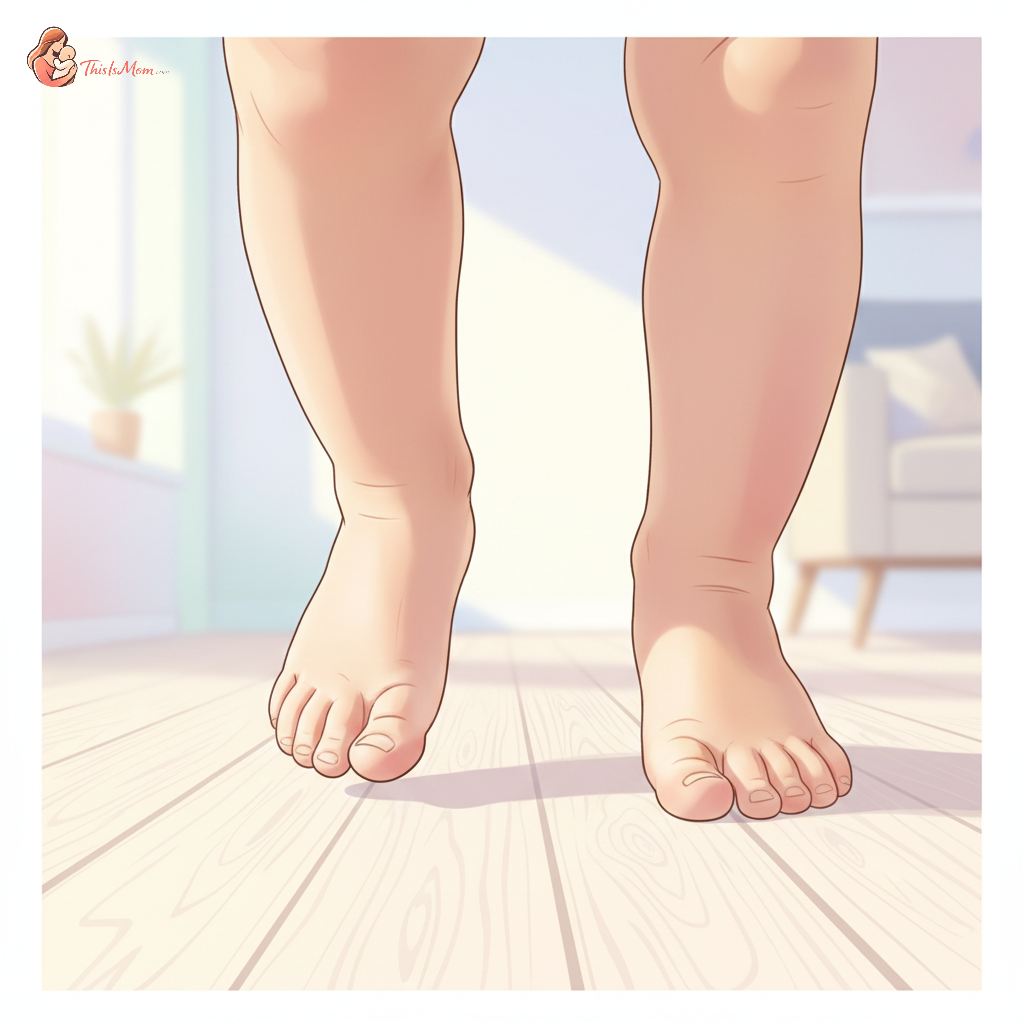
Toddler Only Walks on Tiptoes? What's Normal & When to Worry
Your toddler is walking, a huge developmental milestone! But you notice they often, or perhaps only, walk on tiptoes for short periods. Is this a normal part of their development, or something to be concerned about? This is a common question, and the good news is that occasional tiptoe walking in toddlers is often completely normal and not a cause for alarm.
Understanding Typical Toddler Development
As toddlers learn to walk, their bodies are constantly experimenting with balance, coordination, and different ways to move. Their muscle development is ongoing, and they are still refining motor skills. This exploration phase can lead to a variety of walking patterns as they figure out what works best for them.
When Toddlers Tiptoe and Why
The American Academy of Pediatrics (AAP) notes that the development of walking skills is a process that varies greatly from child to child. During this phase, a toddler might try walking on their toes for several reasons. It could be a way to practice their balance, a game they've invented, or simply a temporary phase as their muscles strengthen and their gait matures.
The CDC's developmental milestones chart shows that most children walk independently by 18 months. Between 18 months and 2 years, walking becomes more stable, but toddlers are still refining their skills. It's during this period that you might observe them walking on their toes sometimes.
When to Observe Closer: What to Look For
While occasional tiptoe walking is common, certain patterns and signs warrant a closer look. Paying attention to the frequency and consistency of this behavior can help you determine if a conversation with your pediatrician is necessary.
How Often Does It Happen? (Occasional vs. Frequent)
Is this a behavior that happens once in a while, perhaps when they are particularly excited or playing a game? Or is it a pattern that occurs consistently throughout their waking hours? The AAP suggests that most children will eventually walk with a typical heel-to-toe pattern.
Does Your Toddler Walk on Toes All the Time or Just Sometimes?
If your child walks on their tiptoes only some of the time, and their gait appears otherwise normal, it might be part of their developmental exploration. However, if your 2-year-old walks on toes sometimes but also walks normally, this is generally considered within the wide spectrum of typical development. If your child only walks on tiptoes, this is a pattern that warrants more attention.
Can Your Toddler Put Their Heels Down Easily?
A key indicator is whether your child can easily place their heels on the ground when they choose to. Can they walk normally with their heels down? If they seem to only walk on tiptoes and cannot comfortably or consistently walk with their heels touching the ground, this is a more significant observation.
Are There Other Developmental Milestones to Consider?
It’s helpful to consider tiptoe walking in the broader context of your child's overall development. Are they meeting other milestones for their age, such as speaking, social interaction, and gross motor skills like jumping or climbing? The CDC provides guidelines for developmental milestones which can be a useful reference.
Common Reasons for Tiptoe Walking (Beyond Medical Concerns)
Many factors can contribute to a toddler walking on their tiptoes that don't indicate an underlying medical issue. Understanding these common reasons can help ease parental concerns.
Sensory Exploration and Balance Practice
For some toddlers, walking on their toes might be a form of sensory exploration. They might be feeling different textures on the soles of their feet or experimenting with how their body balances. This is often a phase that resolves on its own as they gain confidence and coordination. This is similar to how some toddlers seek out specific sensory input, for which sensory alternatives to screen time can be beneficial.
A Game or Habit
Discover your baby's phase
Sometimes, a toddler walking on their toes can simply be a game they've started or a habit they've developed. You might notice a toddler walking on toes suddenly if they've seen someone else do it or if it becomes a fun way for them to move. This type of tiptoeing is usually intermittent and not the sole manner of walking.
Muscle Tightness or Flexibility Concerns
Occasionally, persistent tiptoe walking can be related to mild tightness in the calf muscles or Achilles tendon. This doesn't always indicate a serious problem but might affect how easily a child can place their heels on the ground. This is where observation of whether they can put their heels down is important.
When to Talk to Your Pediatrician
While many instances of tiptoe walking are harmless, there are specific situations where consulting your pediatrician is recommended. They can help differentiate between typical development and potential concerns.
What Qualifies as 'Persistent' Tiptoe Walking?
The Mayo Clinic suggests that if your child consistently walks on their tiptoes and has done so for an extended period, it's worthwhile to discuss it with your pediatrician. What constitutes 'persistent' can depend on your child's age and the overall pattern of their gait. If your 3-year-old walks on toes sometimes but also walks normally, this is different from a child who exclusively tiptoes.
Red Flags: Loss of Other Skills, Tripping, or Stiffness
Certain accompanying signs can be more telling. If your child is not only walking on their toes but also trips frequently, seems unusually stiff in their legs, or has recently lost other motor skills they had previously mastered, these are important flags to bring up with your doctor. Managing extreme fatigue in the first trimester while working full-time can sometimes overlap with general child development discussions, though not directly related to motor skills.
How Common Is Toe Walking in Autism? (And Other Developmental Concerns)
You might wonder, "Is tiptoe walking a sign of autism?" It's important to know that while some children with autism spectrum disorder (ASD) may exhibit toe walking, it is not a diagnostic criterion for autism. Many children who walk on their toes do not have autism. Autism is diagnosed based on a range of social communication and behavioral patterns. Discovering early signs of autism in toddlers can help parents seek timely support.
Other developmental concerns that might be associated with toe walking include certain neuromuscular conditions or developmental coordination disorder. However, these are less common reasons, and your pediatrician is best equipped to assess your child's individual developmental trajectory.
What Happens Next: Pediatrician's Visit & Potential Steps
If you decide to consult your pediatrician about your child's tiptoe walking, understanding what to expect can be helpful. The pediatrician's goal is to assess your child's overall development and identify any specific concerns.
What to Expect During the Assessment
Your pediatrician will likely observe your child walking, assess their muscle tone and flexibility, and ask about their developmental history. They will want to know how long this has been happening, how often, and if there are any other associated symptoms. This comprehensive assessment helps in determining the cause.
Simple Stretches or Gentle Encouragement at Home
In cases where mild muscle tightness or flexibility is suspected, or as part of a general approach to encouraging a typical gait, a pediatrician might suggest simple calf stretches. Gentle encouragement to place heels down, perhaps during play, can also be beneficial. For parents struggling with various aspects of toddlerhood, resources like guidance on managing postpartum rage without yelling at your toddler can be very helpful too.
When Physical Therapy Might Be Recommended
If the pediatrician identifies significant muscle tightness, a persistent gait pattern that impacts mobility, or if there are other developmental concerns, they may recommend physical therapy. A physical therapist can provide targeted exercises and strategies to improve flexibility, strength, and promote a more typical walking pattern. The journey of parenting often involves seeking professional advice for various challenges, from toddler behavior to childcare costs.
Observing your toddler's development is a journey filled with many milestones and variations. While tiptoe walking can be a point of curiosity, understanding what's typical versus what might require a closer look empowers you to support your child's healthy growth.