Toddler Only Watches Kids YouTube Shorts? Parent's Guide
Is your toddler hooked on YouTube Shorts? Discover why, potential downsides, and practical strategies to limit screen time and offer engaging alternatives.
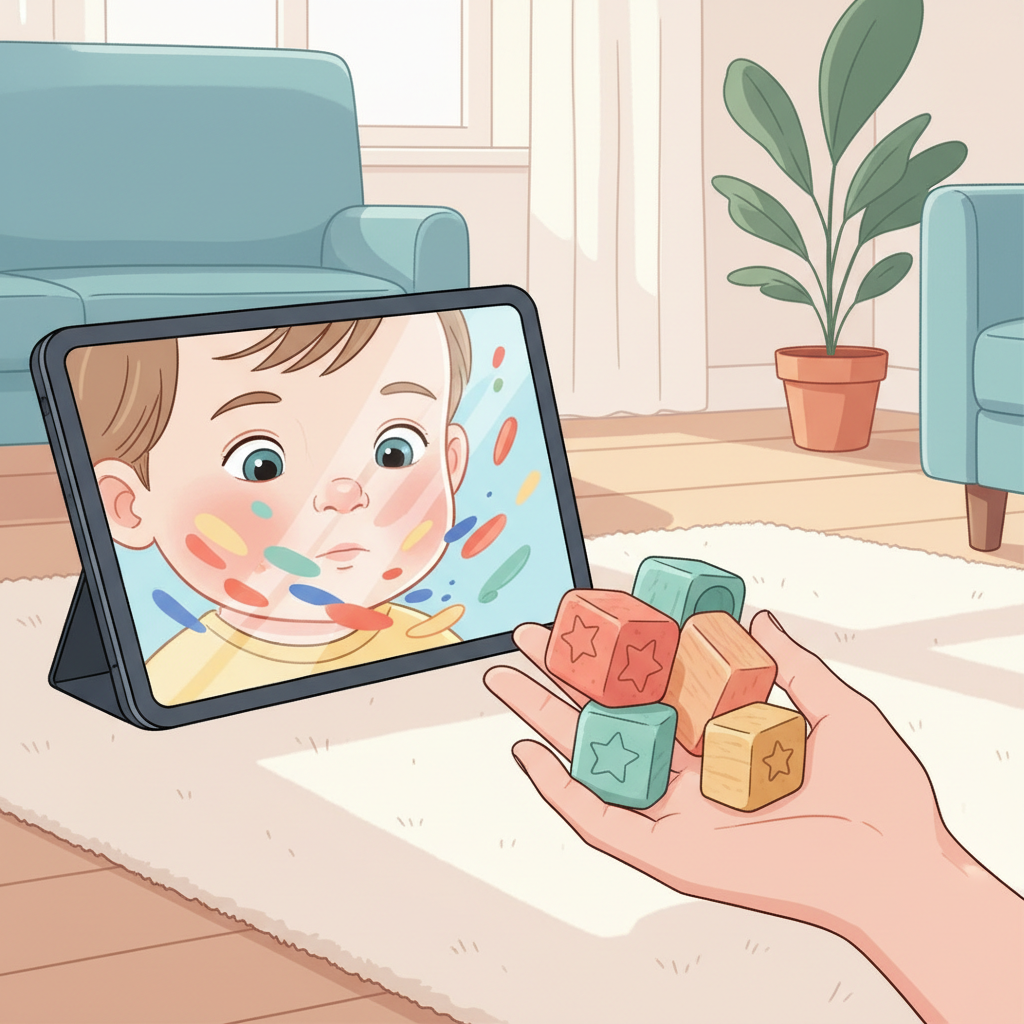
My Toddler Only Watches Kids YouTube Shorts for Entertainment: What Parents Can Do
If your toddler's eyes are glued to a rapid-fire succession of seconds-long videos, you're not alone. Many parents wonder what it means when their toddler only watches kids YouTube Shorts for entertainment, and more importantly, what can be done. This pervasive form of short-form video content is designed to be incredibly captivating, especially for young brains.
Understanding why these videos are so appealing is the first step toward managing their impact.
Why Toddlers Get Hooked on Kids' YouTube Shorts
The appeal of platforms like YouTube Shorts for toddlers lies in a perfect storm of rapid pacing, constant novelty, and algorithmic tailoring. Young children's brains are wired to seek out new stimuli, and this format delivers it in spades.
The science behind short-form content and young brains suggests that the rapid pace can trigger dopamine releases, creating a reward cycle that encourages continued viewing. Each new, brief video offers a fresh burst of stimulation.
Algorithms are a key player here. They learn what keeps a viewer engaged by tracking watch time, skips, and repeat views. For toddlers, this means the platform quickly identifies and serves up more of what holds their attention, creating a seemingly endless stream of similar content. This differs significantly from traditional children's programming, which typically has a more structured narrative and longer format.
The difference between YouTube Shorts and traditional kids' content is crucial. While a 30-minute show might tell a story or teach a concept gradually, Shorts present information and entertainment in bite-sized, fast-paced chunks. This can be overwhelming for a young child's developing cognitive abilities.
What Excessive YouTube Shorts Might Mean for Toddlers
While entertaining, an overreliance on short-form video content can have potential downsides for toddlers. The rapid nature of these videos may impact their ability to focus on slower-paced activities.
Research suggests that excessive exposure to fast-paced, short-form content can affect a toddler's attention span and focus. The constant switching between new stimuli may make it challenging for them to engage with activities that require sustained attention, like reading a book or building with blocks.
Developmental concerns are another area of consideration. Slower, more sustained forms of media or play are generally more beneficial for language development and social skills. Imaginative play, crucial for cognitive growth, can also be supplanted by passive consumption of pre-packaged entertainment.
The American Academy of Pediatrics (AAP) has specific screen time guidelines for young children:
- Under 18 months: Avoid screen media altogether, except for video-chatting.
- 18 to 24 months: Introduce high-quality programming co-viewed with a parent to aid understanding.
- After age 2: Limit screen use to 1 hour per day of high-quality programs, co-viewing when possible.
These recommendations are particularly relevant when considering the constant stimulation of YouTube Shorts, which often bypasses the developmental benefits of more traditional, slower-paced content. This can be a concern for parents who feel worried about their child's development or are dealing with toddler eats dirt outside developmental concern.
Taking Back Control: Strategies to Limit and Block YouTube Shorts
Discover your baby's phase
Managing screen time, especially short-form content, requires active parental involvement and utilizing available tools. It's not always about complete abstinence, but about thoughtful integration and mindful limits.
Parental controls on YouTube and YouTube Kids are essential tools. Within the YouTube Kids app, you can select specific content, set a timer, and disable search functions. For regular YouTube, you can create a child's profile and enable Restricted Mode, though this isn't foolproof for short-form content.
Blocking YouTube Shorts for kids can be achieved in several ways depending on your device. On some smart TVs and streaming devices, you might be able to disable the Shorts feature directly within the app's settings or limit access to the YouTube app altogether. For web browsers, extensions are available that can block Shorts. This is especially important when considering a toddler only calm watching tv during illness fever.
Navigating YouTube Kids itself presents an opportunity. Look for content that is educational, age-appropriate, and has a slower pace. Avoid content that is overly stimulating, promotes rapid switching, or lacks clear learning objectives. Reading reviews and previews can help in making informed choices.
Beyond the Screen: Engaging Alternatives for Your Toddler
The goal is not just to reduce screen time, but to replace it with richer, more developmentally appropriate activities. Providing diverse alternatives ensures your toddler has ample opportunities for learning and growth.
Play-based learning ideas can vary by age:
- Younger toddlers: Sensory play with water, sand, or playdough is excellent.
- Older toddlers: Benefit from simple puzzles, sorting activities, and building toys.
Encouraging imaginative and open-ended play is vital. Provide props like blocks, dress-up clothes, or empty boxes and let your child's creativity lead the way. This type of play is where children learn to problem-solve, develop narratives, and practice social interactions. This is a crucial aspect of development, especially when considering alternatives to passive entertainment like toddler only eats white foods like pasta and bread.
Introducing new activities and experiences broadens their world. This could include visits to the library for story time, exploring a local park, or engaging in simple art projects with crayons and paper. Even mundane household items can become exciting playthings with a little imagination.
Making the Shift: Tips for a Smoother Transition Off Shorts
Transitioning away from a habit, especially for a toddler, often requires patience and consistency. Gradual reduction strategies are usually more effective than abrupt changes.
Start by gradually reducing the amount of time spent watching. Instead of allowing unlimited Shorts, set a specific, shorter time limit. You can also introduce periods of "no screen time" before or after this set period. This consistency is important for many toddler behaviors, such as when toddler wakes up 4am screaming for milk solution.
Setting boundaries and expectations is crucial for both parents and children. Clearly communicate when screen time is allowed and when it's not. This includes making a plan for what activities will happen instead. Consistency is key; if you set a boundary, try your best to stick to it.
Dealing with toddler meltdowns and resistance is an inevitable part of this process. When your toddler expresses frustration, acknowledge their feelings without giving in. Redirect their attention to an available, engaging activity. Remember, your goal is to help them develop new habits and coping mechanisms. This can be reminiscent of issues parents face with toddler wakes up screaming, terrified of shadows.
Managing your own screen habits is also important. Children learn by example, so demonstrating balanced screen use yourself can be a powerful influence.