Toddler Puts Everything in Mouth at 2.5: What to Do
Is your 2.5-year-old still putting everything in their mouth? Learn why this happens, when it's normal, and practical strategies to manage oral exploration safely.
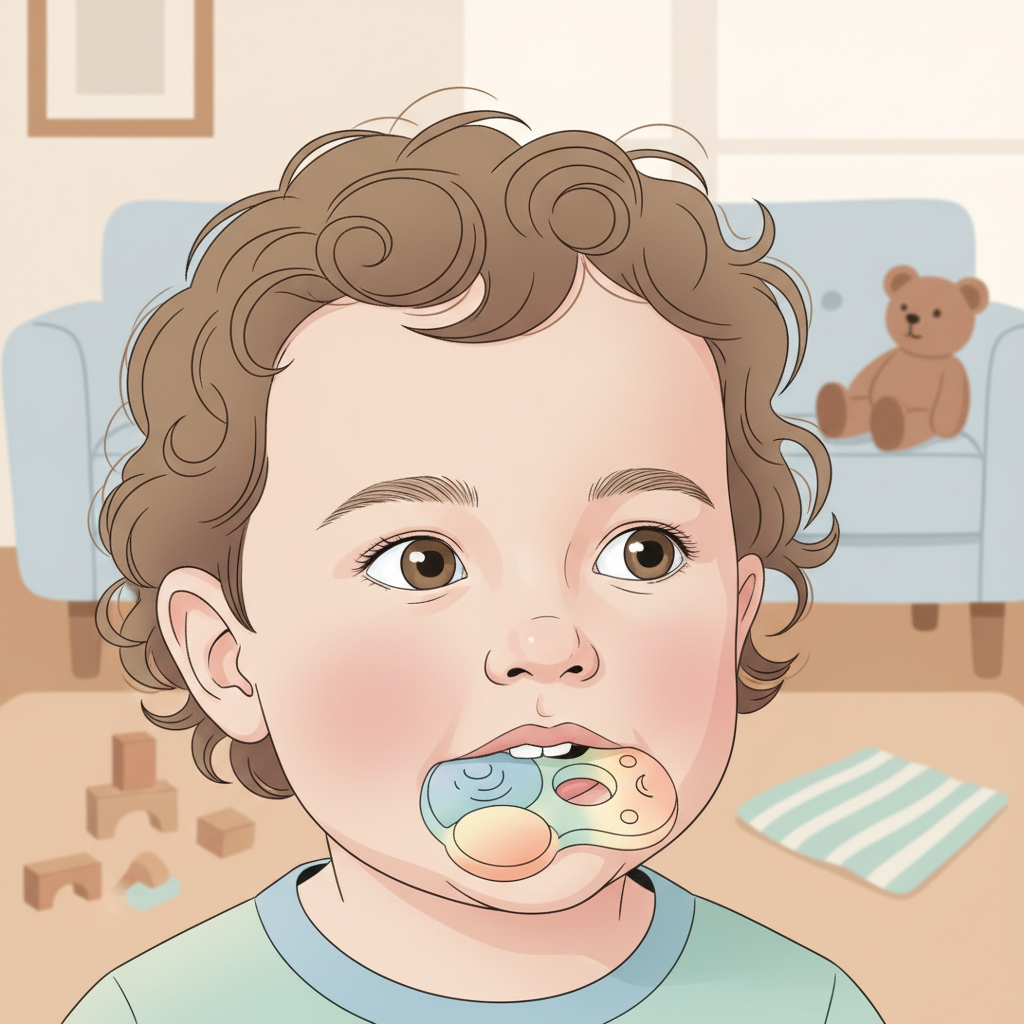
My Toddler Puts Everything in Their Mouth Even at 2.5: What to Do?
Is your 2.5-year-old still putting everything in their mouth? It’s a common question many parents grapple with as their toddlers explore the world. This persistent mouthing behavior, even as children enter preschool age, can be perplexing and sometimes concerning. Let's explore why this might be happening and what you can do to help.
Exploring the World by Mouth: A Developmental Stage
Infants and very young toddlers naturally explore their surroundings using their mouths. This is a crucial part of their sensory development, helping them learn about textures, shapes, and tastes. As babies, their hands aren't as coordinated, so their mouths become their primary tool for discovery. Research shows this oral exploration is fundamental to understanding the world around them.
Is This Still Typical for a 2.5-Year-Old?
By 2.5 years old, most children have developed more sophisticated ways to explore, like using their hands and verbalizing their observations. However, some continued mouthing can still be within the typical developmental range. The American Academy of Pediatrics (AAP) notes that children develop at their own pace.
The key is often to look at the overall context:
- How is your child developing in other areas?
- Are they able to use other senses for exploration?
- Does the mouthing seem excessive or disruptive?
While many toddlers grow out of the constant need to mouth objects by this age, a certain degree of oral sensory seeking can persist. It's when this behavior seems out of step with other developmental milestones or causes significant disruption that parents might want to explore further.
Understanding Sensory Needs and Seeking Input
Sometimes, the drive to put things in the mouth isn't just about exploration but about a deeper sensory need. Toddlers and preschoolers often seek out specific types of sensory input to feel regulated, alert, or grounded.
More Than Just Taste: The Sensory Craving
The oral sensory system is incredibly rich with information. For some children, this system is either under-responsive or over-responsive, leading them to seek out intense oral experiences. This can include chewing, biting, or sucking on things that aren't food.
Evidence suggests that this oral sensory seeking can be a way for children to:
- Gain proprioceptive input (deep pressure to the jaw and mouth).
- Help them focus and concentrate.
- Calm themselves or manage anxiety.
- Increase their alertness when they feel tired or sluggish.
Recognizing Signs of Oral Sensory Seeking
Beyond simply putting objects in their mouth, parents might notice other behaviors that point to oral sensory needs. These can include:
- Chewing on non-food items like clothing, toy parts, or their own hands.
- A strong preference for crunchy or chewy foods.
- Biting or chewing on their fork or spoon during meals.
- Appearing restless or needing constant stimulation.
- A tendency to put too much food in their mouth at once.
Do Autistic Toddlers Put Everything in Their Mouth?
It's important to distinguish between general developmental stages, sensory processing differences, and neurodevelopmental conditions. Some autistic children may exhibit increased oral sensory seeking behaviors. However, putting everything in their mouth is not a definitive diagnostic criterion for autism. If you have concerns about your child's development across multiple areas, discussing them with your pediatrician is the best first step.
Practical Steps to Guide Mouthing Behavior
When your 2.5-year-old continues to put everything in their mouth, the goal isn't necessarily to stop the behavior entirely but to redirect it appropriately and ensure their sensory needs are met in safe ways.
Offering Safe and Engaging Alternatives
Discover your baby's phase
Providing acceptable outlets for oral sensory input is key. Think about items that are specifically designed for safe chewing and biting.
- Chewable jewelry: Necklaces, bracelets, or zipper pulls made from safe, non-toxic materials can be worn by the child or offered as a fidget.
- Chew toys: Look for textured silicone chew tubes, pendants, or other chewable toys. Ensure they are durable and appropriately sized for your child.
- Edible options: For children who need more chewing, consider offering crunchy snacks like apple slices, carrot sticks, or sugar-free gum (for older, supervised children who can manage it safely). If your toddler is prone to refusing food after illness, such as refusing previously loved foods, offering varied textures can be a good starting point.
Creating a 'Yes' Space for Oral Exploration
Designate certain areas or times where oral exploration is more freely allowed. For instance, a sensory bin with safe items a child can explore with their hands and mouth (under supervision) can be beneficial. Or, a "chew break" corner with approved chew toys.
When It Might Be for Attention: Responding Effectively
Sometimes, a child may escalate behaviors, including mouthing, to get a reaction. If the mouthing appears to be a bid for attention, consistent and calm redirection is usually recommended by child development experts.
- Acknowledge the need: "I see you want to chew on that. That’s not a safe thing to chew."
- Redirect: "Let's find your chewy necklace instead."
- Offer praise: When they use the appropriate item, offer specific praise: "Great job using your chewy!"
- Ignore if appropriate: For minor infractions that are clearly attention-seeking and not dangerous, sometimes ignoring the behavior while praising positive alternatives is effective.
If the behavior is persistent and you are unsure of the underlying cause, consult resources that guide child behavior and development for strategies. If you are concerned about toddler screen overstimulation, this can sometimes manifest as increased oral seeking behavior as a coping mechanism. Learning to recognize the signs of screen overload and employing gentle strategies can help.
When to Seek Professional Guidance
While many instances of persistent mouthing are a normal part of development or manageable through environmental adjustments, there are times when professional input is advisable.
Red Flags Warranting a Conversation
Consider discussing this with your pediatrician or a specialist if:
- The mouthing is very intense, leading to choking hazards or injuries.
- It interferes significantly with your child's daily activities, learning, or social interactions.
- It co-occurs with other developmental concerns, such as speech delays, significant behavioral challenges, or difficulty with fine or gross motor skills. In this case, learning how to encourage toddlers to point instead of grunt may be one small part of a broader communication strategy.
- The behavior is sudden and new, not a continuation of earlier exploration.
- You suspect underlying sensory processing disorder, anxiety, or other conditions.
Understanding Oral Motor Development
Oral motor skills refer to the coordination of muscles in the mouth, lips, tongue, and jaw used for speaking, eating, and breathing. Professionals like occupational therapists (OTs) specialize in assessing and supporting these skills.
An OT can evaluate your child's oral sensory needs and motor skills, providing tailored strategies and exercises to help regulate and manage their need for oral input in appropriate ways. They can also assess for any underlying oral motor delays that might be contributing to the behavior.
Resources and Next Steps
Your pediatrician is your primary resource for developmental concerns. They can perform a general assessment and refer you to specialists if needed, such as an OT or a developmental pediatrician. If your pediatrician suggests looking into daycare options, remember to ask key questions about staff turnover to ensure a stable learning environment.
Understanding typical milestones can help you gauge whether your child's behavior falls within the expected range or warrants further investigation. For instance, if your toddler is often sick after starting daycare, it's normal, but persistent mouthing alongside other issues may be a flag.
When in doubt, reaching out to your pediatrician is always the best course of action. They can help you understand what's typical for your child's age and guide you toward appropriate support if necessary.