Toddler Refuses Loved Foods After Illness: A Gentle Guide
Is your toddler suddenly refusing previously loved foods after being sick? Learn gentle strategies, when to offer milk, and when to consult a pediatrician.
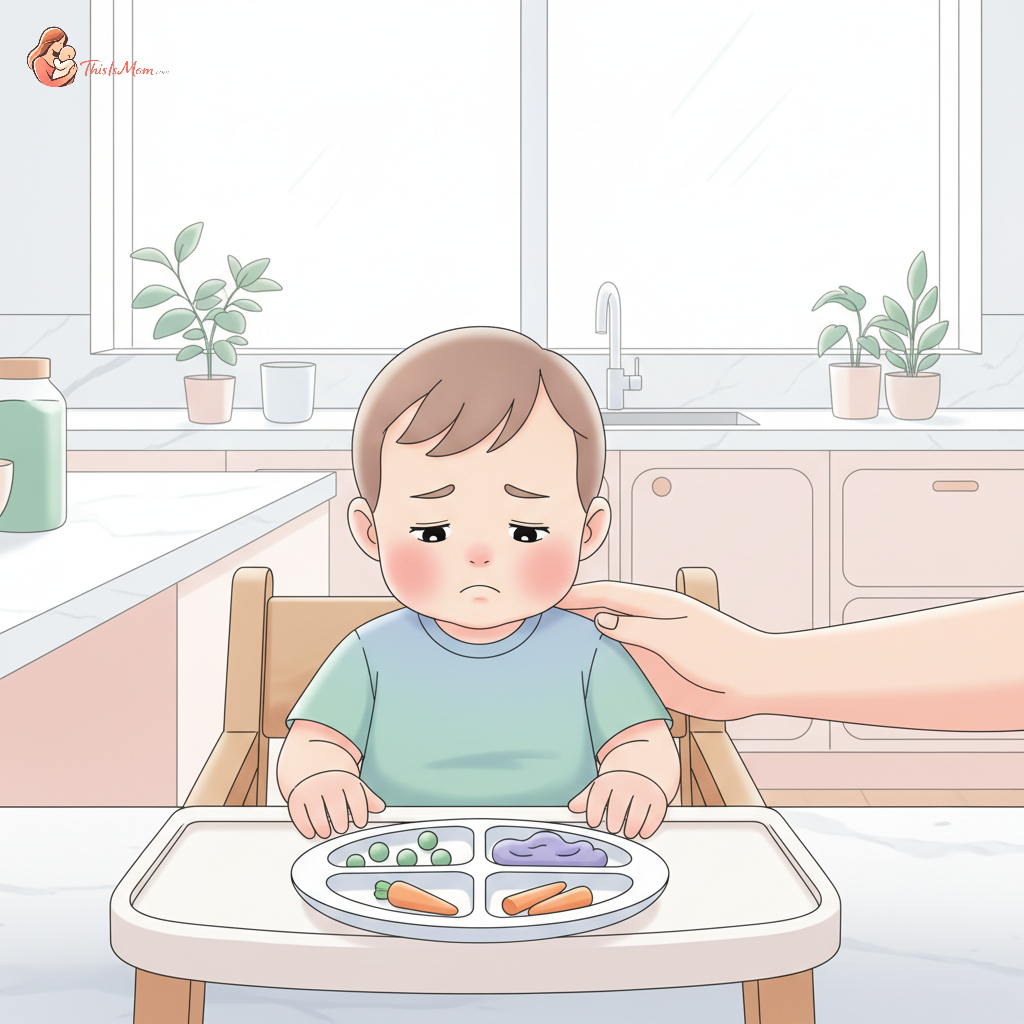
- Parent's Job: Decide what food is offered, when meals and snacks are offered, and where food is eaten.
- Child's Job: Decide whether to eat and how much to eat from what is offered.
This means that even if your toddler seems to be refusing everything but milk, your role is to offer nutritious options at mealtimes and snack times, but not to pressure, bribe, or force them to eat. When reintroducing foods, start with small, manageable portions of familiar favorites alongside new or previously rejected items. Think a tablespoon or two of a preferred vegetable, a few bites of chicken, and perhaps a small piece of fruit. This reduces overwhelm for the child. The goal is to create a positive and low-pressure mealtime environment. Avoid making mealtimes a battleground. Instead, focus on making them a pleasant time for connection. This might involve talking about your day, playing a simple game, or letting them help with age-appropriate food preparation.
When Milk Becomes the Main Course
It's common for toddlers recovering from illness to gravitate towards milk or other liquids. Milk provides calories and hydration, which are crucial for recovery, so it's understandable why a child might seek it out. However, when milk becomes the primary source of intake, it can displace nutrient-dense solid foods and lead to a nutrient imbalance.
The CDC and AAP generally recommend that toddlers consume a balanced diet that includes solids. If your toddler is filling up on milk or juice right before meals, it's a good idea to adjust the timing. Offer milk after solid meals or snacks, or serve it with meals in a cup rather than a bottle to manage intake. It's also important to ensure the milk offered is whole milk unless otherwise recommended by your pediatrician, as even toddlers need healthy fats for development. If you're concerned about your child consuming too much liquid, even water, try to offer it between meals rather than directly with them, and limit sugary drinks like juice. The focus should remain on offering a variety of solid foods first.
Smart Strategies for Low Appetite
When appetite is low, optimizing the nutritional density of the foods offered becomes key. This doesn't mean hiding ingredients in a way that deceives your child, but rather making the most of what they do eat.
- Nutrient-Dense Smoothies: Blend fruits, a source of healthy fat like avocado or nut butter (ensure no allergies), and a bit of milk or yogurt. These can be a good way to get key nutrients in.
- Pureed Additions: A small amount of pureed vegetables like sweet potato or butternut squash can be stirred into yogurt, oatmeal, or even pasta sauces if your child is accepting of those bases.
- Healthy Fats: Incorporate healthy fats such as avocado, olive oil, and nut butters (again, mindful of allergies) into meals and snacks. Fats are calorie-dense and important for development.
- Proteins: Offer small portions of protein sources like shredded chicken, soft-cooked eggs, or beans.
Consistency with offering water is also essential for hydration, especially if your child is experiencing any lingering symptoms or has a reduced intake of other fluids.
Recognizing When Professional Guidance is Needed
While temporary food refusal after illness is normal, there are times when it's important to consult with your pediatrician. Trust your parental instincts; you know your child best. Keep an eye out for signs of dehydration, such as significantly fewer wet diapers than usual, dry mouth, crying without tears, or unusual lethargy. Also, monitor for any continued weight loss or if your toddler's weight percentile has dropped significantly. If the aversion to food persists for longer than a week or two, or if you have significant concerns about your child's overall intake and well-being, a conversation with your pediatrician is always warranted. They can assess your child's growth and overall health and offer personalized advice. Navigating these temporary eating challenges requires patience and a gentle approach. By focusing on what you can control—offering nutritious options and maintaining a positive mealtime environment—you can help guide your toddler back to a healthy relationship with food, one meal at a time. Remember, this is a phase. With consistent, low-pressure encouragement, it's likely your toddler will regain their appetite and resume their former food enthusiasm. And when in doubt, your pediatrician is your most valuable resource.