Toddler Refusing Fruits & Veggies? 7 Tips to End Mealtime Battles
Is your toddler suddenly refusing all fruits and vegetables? Learn why this happens and get practical, no-pressure tips to encourage healthy eating and end mealtime stress.
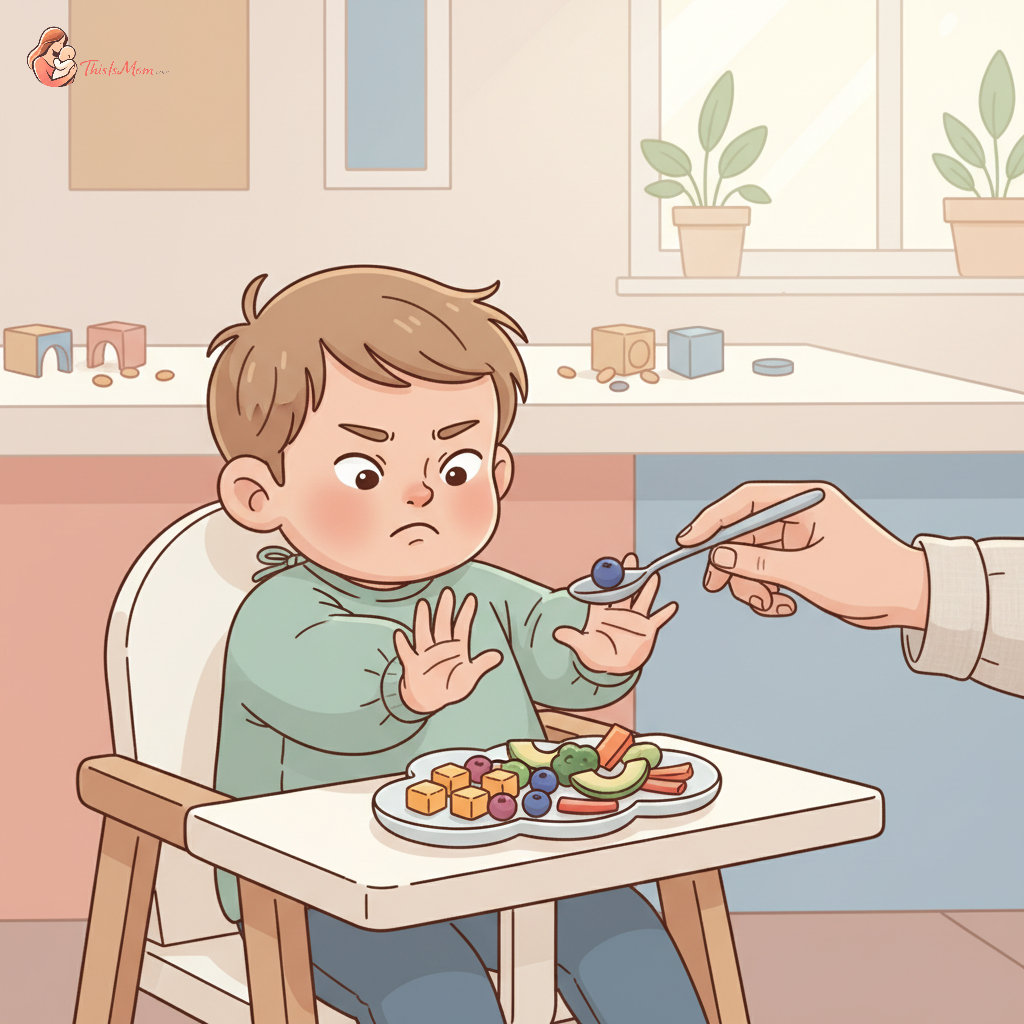
When Your Toddler Declares War on Greens: A Mom's Survival Guide
With my first child, the first time my toddler looked at a perfectly pureed sweet potato and physically recoiled, I panicked. I’m talking a full-blown, existential parenting crisis. By my fourth, when the 8-year-old turned his nose up at the carefully roasted broccoli I’d served, I just shrugged and put it on his plate anyway. Looking back, the difference wasn't in the broccoli itself, but in my own journey of learning how to handle a toddler suddenly refusing all fruits and vegetables. It's a phase, yes, but a deeply unsettling one if you let it be.
If I could tell my younger self one thing, it would be this: your child’s eating habits are not a reflection of your parenting. Take a deep breath, and let’s talk about what’s really going on.
The Great Produce Rebellion: Why They're Suddenly Saying "No Way!"
It feels like it comes out of nowhere, doesn't it? One week they’re happily gumming steamed peas, the next they’re flinging broccoli across the room like a tiny, green projectile. The truth nobody tells you about toddlers is that their relationship with food is constantly evolving. What they loved yesterday, they might deem an enemy today.
So, why does this happen? Often, it’s about control. Toddlers are asserting their independence, and discovering that they have power over what goes into their bodies is significant. It’s also about their developing senses. Flavors and textures that once appealed might start to overwhelm or seem strange. Sometimes, it’s simply a developmental phase they’re moving through. If your child refuses to eat fruit and vegetables, remember this is incredibly common.
There are times, of course, when a toddler won't eat fruit or veggies, and it feels like a more significant worry. If they are losing weight, have no energy, or are genuinely distressed by food, that's a different conversation. But for most, this sudden aversion is a passing storm. When we talk about supplements for toddlers who won't eat vegetables, it’s always best to tread carefully and consult with your pediatrician first. They can help determine if there’s a genuine nutritional gap or if it’s just the usual toddler food roulette.
A Peaceful Dining Table: Where Food Doesn't Have to Be a Battleground
My biggest mistake with my first was turning mealtimes into a negotiation. “Just one more bite, and you can have dessert!” Sound familiar? By my fourth, I’d learned the profound power of zero pressure. Mealtimes became about connection, not consumption statistics.
This means no coaxing, no bribing, and no forcing. It’s incredibly tempting, I know. You worry about your child not getting enough nutrients. But research suggests that children are pretty good at self-regulating their intake over time, as long as they have consistent access to healthy options.
Repeated, no-pressure exposure is your best friend here. Keep offering a variety of foods, even if they’re consistently rejected. Put a tiny piece of carrot on the plate alongside the pasta. Don't make a fuss if it's ignored. This teaches them that the food is there, it's normal, and eventually, curiosity might win.
And to the question, "Toddler eats fruit but not vegetables: is it normal?" Absolutely. Many toddlers have a preference for sweetness, which is why fruits often win out. It doesn't mean you stop offering vegetables; it just means you acknowledge where they are in their preferences while continuing to expose them to other tastes and textures.
Getting Produce Back on the Plate (Even if It's Hidden!)
Discover your baby's phase
Sometimes, you have to get a little creative. I’m not talking about elaborate, Pinterest-worthy creations that take hours (though hats off to those who can manage it!). I mean simple, fun ways to just get those nutrients in.
Here’s what I found genuinely helpful:
- Puree and Blend: Smoothies are a lifesaver. Blend spinach, a banana, some berries, and a splash of milk or yogurt. Most toddlers can’t detect the greens. Sauces are another great option; pureed carrots and zucchini can disappear into tomato sauce for pasta.
- Bake It In: Muffins are your secret weapon. Zucchini muffins, carrot muffins – they’re a sweet treat that sneaks in some vegetables. Even incorporating mashed sweet potato or pumpkin into baked goods can work wonders.
- Kid-Sized Portions and Fun Shapes: Offer small amounts of a variety of things. Sometimes seeing a whole plate of something can be overwhelming. Using cookie cutters for softer fruits like melon or cheese can make them more appealing.
- Involve Them: Let them pick which two vegetables they want to try that week. Let them "help" wash the berries or stir the batter (with supervision, of course). Giving them a sense of agency can sometimes override the automatic “no.”
Remember, the goal isn't to trick them forever, but to build a foundation where they’re more open to trying things.
Beyond the Broccoli: A Nutritious Diet Isn't Just One Meal
When your child does not eat fruits or the vast majority of vegetables, it's easy to get fixated on that one missing piece. But the truth is, healthy toddlers get a wide range of nutrients from many sources.
Focus on the overall nutrient intake over the course of a week, not just a single meal. Are they getting healthy fats from things like avocado, nut butters, or full-fat yogurt? Are they getting protein from eggs, beans, or chicken? These are also crucial building blocks for growth.
If "my child does not eat fruits," look for vitamin C in bell peppers (you might have to cook them to soften the texture and reduce bitterness), broccoli, or even fortified cereals. Vitamin A can come from sweet potatoes, carrots (again, cooked until soft), and eggs. Don't shy away from whole grains and dairy (or fortified alternatives) for other essential vitamins and minerals.
If you're really concerned, a good quality multivitamin designed for children can be a helpful bridge, but it’s not a replacement for real food. Always discuss this with your pediatrician before starting any supplement.
Trust Your Gut: When to Seek Professional Guidance
Most of the time, this picky phase is just that – a phase. But there are moments when it’s wise to seek advice from your pediatrician. If your child is showing signs of genuine nutritional concern, like significant weight loss, lethargy, or frequent illnesses, it’s time for a professional conversation.
Sometimes, a persistent refusal can be linked to underlying issues. Sensory processing challenges can make certain textures or tastes feel extremely aversive. It could also be related to digestive issues that make eating uncomfortable. Your pediatrician can help screen for these or refer you to specialists like an occupational therapist or a registered dietitian if needed.
Don't hesitate to have this conversation. Your pediatrician has seen it all and can offer tailored advice and reassurance based on your child's specific situation. They can also provide resources and strategies that go beyond the general advice you might find on a blog (even a really good one!).
The journey of feeding a toddler is rarely a straight line. There will be plateaus, detours, and moments of outright rebellion. But with a little patience, a lot of grace for yourself, and a focus on the bigger picture, you'll navigate these choppy waters. Remember, this phase, like all the others, will eventually pass, and you’ll emerge on the other side with a more peaceful kitchen and a well-nourished (if sometimes perplexing) child.