Handling Toddler Screen Time During Parental Illness: A Survival Guide
Feeling sick with a toddler? Learn practical strategies to manage screen time when you're down for the count, reduce guilt, and prioritize recovery.
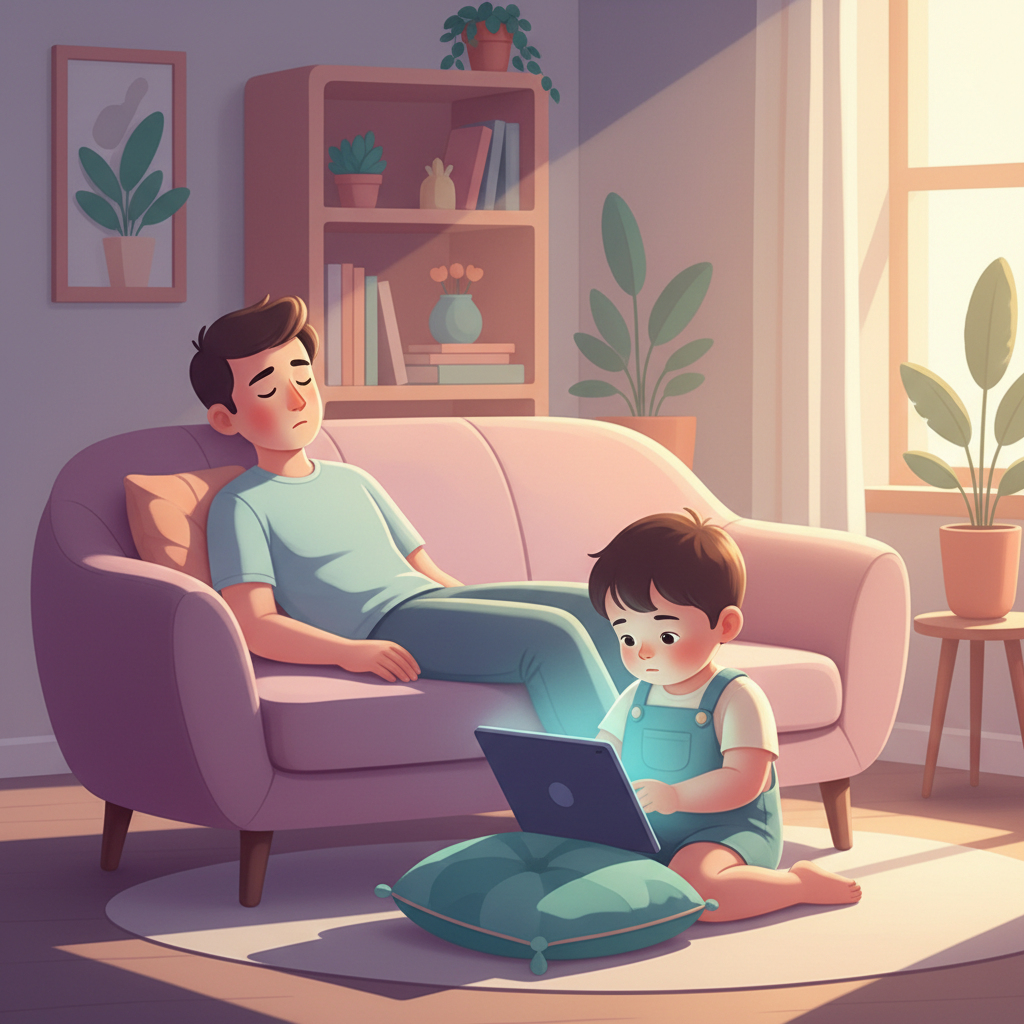
When You're Running on Empty, Screens Get a Pass
Look, when you're sick, your own physical and mental bandwidth shrinks to the size of a thimble. Trying to stick to rigid screen time limits feels impossible, even downright cruel to yourself.
The truth is, those superhero parents who can juggle a sick day, a toddler, and a perfectly balanced schedule? I’m pretty sure they’re either fictional, have a team of assistants, or are just really good at pretending.
I’m here to tell you that letting the screen time go up a notch when you're ill is not a sign of failure. It's a survival tactic.
And honestly? You need to let go of the toddler screen time guilt slug:screen-time-reset-after-sick-week. It’s a heavy burden, and right now, you have enough on your plate. Your child needs a calm, cared-for parent more than they need a perfectly adhered-to media plan.
What Your Little One Needs While You Mend
Even though you're feeling awful, your toddler still has needs. They pick up on your energy, and when you’re down, they can get anxious or restless.
Their world has shifted, and they’re trying to navigate it without their usual anchor. They might act out, become clingy, or revert to behaviors you thought you’d moved past. For example, if your child slug:toddler-hits-other-kids-daycare-what-to-do normally, illness can exacerbate behavioral issues as they struggle to cope.
During this time, finding ways to keep them engaged passively is key. This is where screens can be incredibly helpful for sick parent toddler activities. It’s not about mindlessly plunking them in front of the TV for hours on end. It’s about using the tools you have to give yourself a break.
But also, watch for the signs they need more than just passive entertainment.
- Increased clinginess: They might physically need to be near you, even if you can't actively play.
- Higher fussiness: If they’re more irritable than usual, they might be seeking connection.
- Regression in skills: This could be anything from potty accidents to increased baby talk.
- Difficulty settling: They might struggle to wind down without your direct comfort.
When you see these signals, even if you're feeling rough, a few minutes of cuddles or a quiet story read from your spot on the couch can make a world of difference.
Smart Screen Time Tactics for When You're Under the Weather
Navigating screen time limits when parent is sick requires a strategic approach. It’s about quality over quantity, and using the devices to your advantage, not just as a babysitter.
Curated Content is Your Best Friend: Think educational shows that are calming and visually appealing. Avoid anything too fast-paced or overstimulating. Many streaming services offer "preschool" or "toddler" sections with age-appropriate content. Focus on shows that encourage learning, music, or gentle storytelling.
Discover your baby's phase
Use Screens Strategically:
- Meal times: A short, engaging show can be a lifesaver when you're too tired to manage a food-flinging toddler at the table.
- Naptime transition: Sometimes, a quiet nature documentary or a gentle cartoon can help ease them into sleep when you don't have the energy for a full wind-down routine.
- Your own recovery moments: Use screen time as your designated "rest" window. Get them settled, put on something engaging, and then allow yourself to lie down, close your eyes, or just breathe.
Interactive Apps that Require Minimal Effort: There are plenty of low-energy apps that engage toddlers without demanding your constant input. Look for:
- Simple drawing or coloring apps.
- Apps where they can tap to make animals appear or play gentle music.
- Interactive storybook apps where they can tap on characters to hear sounds.
- Apps that focus on matching shapes or colors. When toddlers begin to prefer certain digital content, it's worth understanding its slug:toddler-apps-books-literacy-development for their development.
The goal here is to find things that can hold their attention while requiring minimal physical or mental input from you.
Beyond the Glow: Low-Effort Connection
Screens are a tool, but they shouldn't be your only tool. Even when you’re sick, finding small ways to connect can provide immense comfort for your toddler and make you feel a little less guilty.
Couch-Based Activities are Your New Best Friend: You don't need to build a fort or conduct a science experiment. Think simple:
- Coloring or drawing: Lay on the couch and hand them paper and crayons. They can color on the floor or a low table while you rest.
- Reading books: Have them bring you books, and read them from your spot. You can point to pictures and use funny voices even when lying down.
- Puzzles: Floor puzzles or large-piece table puzzles can be done with you nearby.
- Play-Doh: Set them up on the floor with Play-Doh and some cookie cutters. You can supervise from a comfortable distance.
- "Helping" you: If you need to sit at the table to drink some fluids or take medicine, let them sit with you and "help" by coloring or playing quietly.
Enlist Your Village: This is the time to ask for help. Really. Don't be a martyr.
- Partner: If you have a partner at home, delegate. They can be the primary screen time supervisor, the meal preparer, or the one managing play.
- Family or Friends: If someone offers to help, say yes. Even an hour of someone taking your toddler outside or to the park can be a lifesaver for your energy levels. slug:daycare-sickness-managing-illness-working-parents details how working parents manage when kids get sick, which is similar to needing that village support.
- Consider professional help: If it’s a severe illness and you have the means, a postpartum doula or a mother’s helper could be invaluable.
Gently Re-Entry Post-Illness
As you start to feel better, you'll want to ease back into your regular routine. This includes gradually bringing screen time back down to its usual levels.
Reducing Screen Time Gradually: Don't go from Netflix binges to zero overnight.
- Start by shortening sessions: If you were allowing an extra hour, take 15-20 minutes off each day.
- Reintroduce other activities: Start with short bursts of play, then longer ones as your energy permits.
- Offer alternatives: When they ask for the TV, offer a book or a toy first. Make sure the alternatives are appealing.
- Maintain consistency: Once you’ve found a comfortable balance again, stick to your established screen time rules as much as possible.
Re-establishing Other Activities: As you recover, consciously schedule in the things you’ve missed. Park trips, playdates, art projects – these help your toddler reconnect with you in more active ways and get back into a predictable rhythm. If your toddler has been refusing solids after illness, helping them re-engage with food is also part of this recovery slug:baby-refusing-solids-after-illness-teething.
Talking About What Happened: Depending on your toddler's age and understanding, you might want to acknowledge the temporary shift. For older toddlers, you can say things like, "Mommy was very sick, so we watched lots of TV to help me rest. Now Mommy is feeling better, and we can go to the park!" This helps them understand the context and reassures them that things are back to normal.
You're Doing Your Best
Look, parenting when you’re sick is a unique kind of hard. It’s a moment where you feel stretched impossibly thin, and the guilt can be overwhelming.
But here’s the truth: You managed. You got through it. Your toddler is loved and cared for, even if some days involved more screen time than you originally planned. You gave yourself grace when you absolutely needed it.
The days of feeling perfectly rested and in control will return. Until then, remember that you are a strong, capable parent, and sometimes, doing your best looks like letting the screen do some of the heavy lifting. You are not alone in this.