Toddler Screen Time & Sleep: 8 Proven Ways to Solve Problems
Discover the direct link between toddler screen time and sleep problems. Learn about blue light, overstimulation, AAP guidelines, and 8 practical strategies to improve your child's sleep.
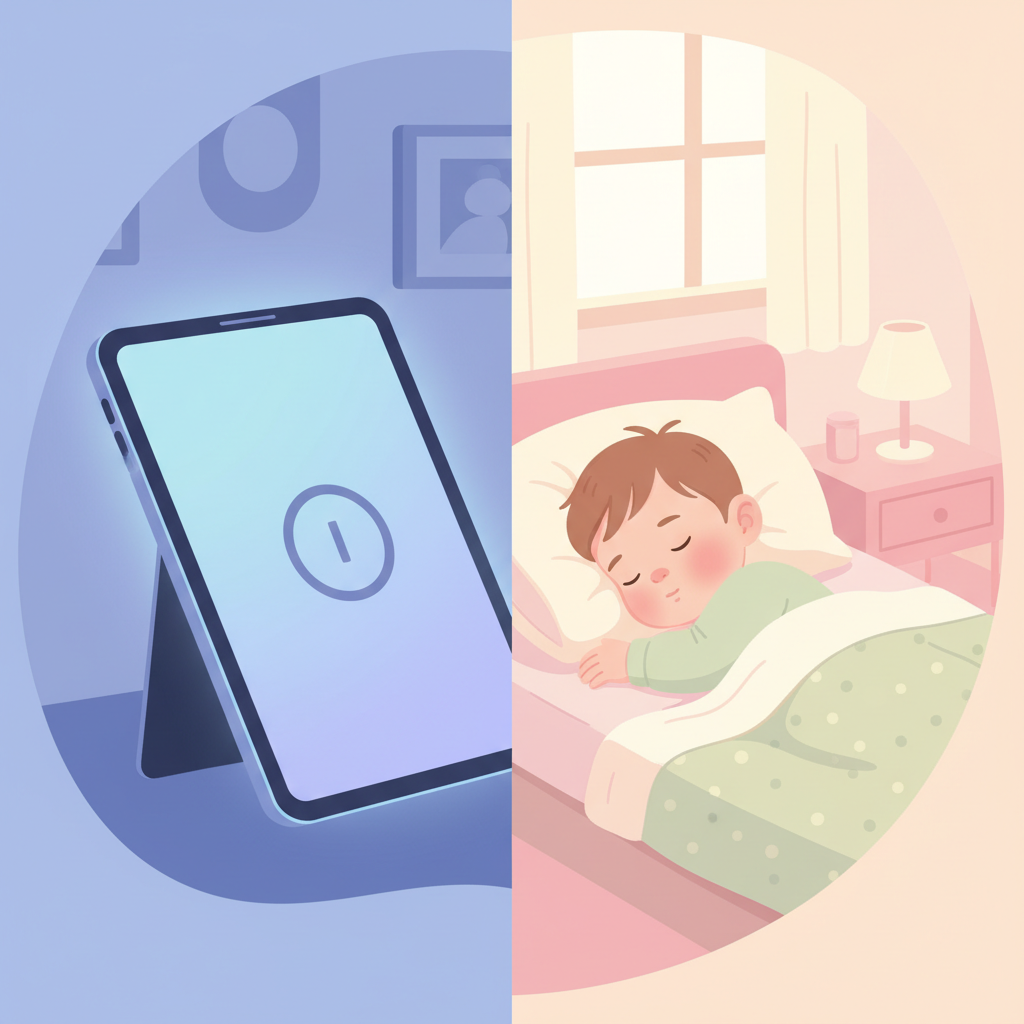
Toddler Screen Time & Sleep Problems: The Direct Link
Is your toddler's bedtime routine an uphill battle? You might suspect their tablet time plays a role. It's a common concern for parents, and evidence points to a direct link between toddler screen time and sleep problems. But why does screen time before bed seem to derail a full night's sleep? This article explores the research, outlines expert guidelines, and offers practical strategies for reclaiming peaceful bedtimes.
Decoding the Disruptors: How Screens Interfere with Toddler Sleep
It's not just about the duration but the way screens interact with a child's developing brain and body that leads to sleep issues.
The Science Behind the Blue Light Effect
Most electronic devices emit blue light. The American Academy of Pediatrics (AAP) explains that this light type can suppress the body's production of melatonin, a crucial sleep-signaling hormone. Exposure to blue light, especially before bedtime, can trick the brain into thinking it's still daytime, hindering a toddler's ability to feel drowsy.
The AAP recommends establishing a screen-free bedtime routine, including limiting exposure to devices like TVs, tablets, and phones in the hour or two before sleep.
Overstimulation: More Than Just Blue Light
Beyond blue light, the content itself significantly impacts. Fast-paced shows, interactive games, and even educational apps can be highly stimulating for a toddler's developing brain. This overstimulation by educational screen apps can lead to a heightened state of arousal, making it difficult for them to wind down and transition to sleep.
Research suggests that rapid sensory input can keep the brain "on" long after the screen is off, increasing bedtime resistance and difficulty settling.
Behavioral Loop: Screen Time Habits and Bedtime Resistance
A cycle can quickly develop. Toddlers may associate screens with immediate gratification or entertainment. When screens are removed, especially when tired, they might experience frustration or protest, leading to more challenging bedtimes.
This behavioral loop is often exacerbated if screens are used as a pacing tool or to quiet a child before bed. The habit of screen time before bed can become deeply ingrained, making it harder to break.
Spotting Sleep Problems Linked to Screen Time
How can you tell if screen time contributes to your toddler's sleep woes? Look for these common signs:
Difficulty Falling Asleep: The Longer Latency Factor
One noticeable effect is prolonged periods trying to fall asleep. If your toddler takes significantly longer to drift off after lights out and their screen time has increased or remained consistent, it's a strong indicator. This delay is often referred to as increased sleep latency.
Evidence shows this can be a direct consequence of the stimulating nature of screen content and the physiological impact of blue light.
Fragmented Sleep: Waking Up Through the Night
Some children may fall asleep after screen use but experience more frequent awakenings during the night. Their sleep stages might be disrupted, preventing deep, restorative sleep.
This fragmented sleep can leave your toddler feeling tired and irritable the next day, even with sufficient sleep duration.
Shortened Sleep Duration: Missing Out on Restorative Sleep
The total amount of sleep your toddler gets might decrease. They may wake earlier or struggle to return to sleep after night wakings. This reduced sleep duration is critical, as toddlers need substantial sleep for healthy growth and development.
The CDC highlights the importance of adequate sleep for children's overall well-being, and screen time can inadvertently cut into these crucial hours.
Daytime Effects: Moods, Focus, and Development
The impact of poor sleep isn't confined to nighttime. Sleep-deprived toddlers often display increased irritability, shorter attention spans, and difficulty with emotional regulation. They might seem more hyperactive or, conversely, unusually lethargic.
These daytime changes can clearly indicate underlying sleep issues, potentially linked to screen time habits, needing addressing for optimal child development.
AAP Guidelines and Why Limiting Screen Time Matters
The American Academy of Pediatrics (AAP) provides clear recommendations on media use for children, grounded in research on child development and well-being.
What the Experts Say: Recommended Screen Time Limits
Discover your baby's phase
For children aged 2 to 5 years, the AAP recommends choosing high-quality programs and apps and co-viewing media with children to help them understand what they are seeing.
Crucially, for children under 18 months, video chat is the only recommended media use. For children 18-24 months, parents should choose high-quality programming and watch with them. For children 2-5 years, the AAP recommends limiting screen use to 1 hour per day of high-quality programs.
Beyond the Time: Quality of Content and Context
It's not solely about the clock. The AAP emphasizes that the quality of content and how it's consumed are as important as the duration. Interactive, educational, or prosocial content is generally considered better than passive, fast-paced, or violent programming.
Co-viewing allows parents to guide their child's understanding and reinforce learning, making screen time more beneficial.
Why These Guidelines are Crucial for Development
These recommendations are not arbitrary; they are rooted in understanding the needs of developing brains. Excessive screen time, particularly before bed, can interfere with crucial developmental processes:
- Language acquisition: Real-world interaction and conversation are vital.
- Social-emotional skills: Learning to read cues and interact with others is paramount.
- Physical activity: Toddlers need ample opportunity for active play.
- Sleep patterns: Establishing healthy sleep habits early on sets the stage for lifelong well-being.
Adhering to these guidelines helps ensure that screen time complements, rather than competes with, a child’s overall healthy development. Gentle parenting alternatives to time-out can help manage meltdowns associated with screen time limits.
Practical Strategies for Setting Healthy Screen Time Limits
Implementing limits can feel challenging, but a structured approach can make a significant difference.
Creating a Screen-Free Sleep Routine
The cornerstone of better sleep is a consistent, calming bedtime routine. The AAP strongly advises establishing a predictable sequence of activities that signals to your child that it's time to wind down.
This routine should ideally be between 30 and 60 minutes and can include:
- A warm bath
- Brushing teeth
- Putting on pajamas
- Reading a book or two
- Quiet time, perhaps some soft music or cuddles
- Lights out
The 'No Screens Before Bed' Rule: Making it Stick
A critical component of a healthy sleep routine is the absence of screens. The AAP suggests having screens off for at least 30-60 minutes before bedtime. This allows the brain to calm down and begin producing melatonin naturally. This is similar to advice on gentle methods for sleep regression where avoiding overstimulation before sleep is key.
Communicating this rule clearly and consistently to your toddler and sticking to it yourself is critical. Keep devices out of the bedroom entirely, especially during sleep hours.
Enforcing Limits: Tips for Toddlers and Parents
- Be consistent: Stick to the established time limits daily.
- Use visual timers: For older toddlers, a visual timer can help them understand when screen time is ending.
- Offer choices within limits: "You can play with the tablet for 20 minutes, or watch a show for 20 minutes."
- Prepare them for transitions: Give a 5-minute warning before screen time ends.
- Stay calm and firm: When limits are approached, respond with empathy but without giving in. Acknowledge their feelings ("I know you're sad screen time is over") before redirecting them.
Beyond Limits: Boosting Sleep Through Positive Habits
Setting limits is crucial, but creating an environment conducive to sleep also involves other positive influences.
Encouraging Alternative Activities: Play, Books, and Connection
Replace screen time with engaging, offline activities that promote creativity, movement, and connection. Opt for imaginative play, block building, puzzles, drawing, or physical activity like dancing or playing outdoors. Your toddler's sleep schedule may need a reset after illness, and alternative activities can aid in this.
Reading together is a particularly powerful sleep-promoting activity. It’s calming, fosters a love of books, and strengthens the parent-child bond.
Optimizing the Sleep Environment for Toddlers
Ensure your toddler's bedroom is a sleep haven. This means keeping it dark, quiet, and cool. Blackout curtains can be beneficial if streetlights or early morning sun are an issue. A white noise machine can help mask disruptive sounds.
Consistent bedtime and wake-up times, even on weekends, can also help regulate your toddler’s internal body clock. This consistency is vital for toddlers waking up screaming for milk at 4 AM as it helps establish better sleep patterns.
Consistency is Key: Building Predictable Routines
Ultimately, establishing healthy screen time and sleep habits hinges on consistency. Predictable routines, clear expectations, and a supportive environment create security for your toddler, making transitions smoother and sleep more attainable. Remember, changing habits takes time, so be patient with yourself and your child as you navigate these adjustments.
Making mindful choices about screen time and prioritizing sleep can profoundly impact your toddler’s well-being and your family’s evenings. When in doubt about your child’s specific sleep needs or behaviors, it's always best to check with your pediatrician for personalized advice.