Toddler Tantrum When TV Goes Off: 7 Ways to Smooth Transitions
Stop the meltdown when the TV goes off for dinner. Learn 7 gentle, evidence-based strategies to manage toddler tantrums during screen-time transitions.
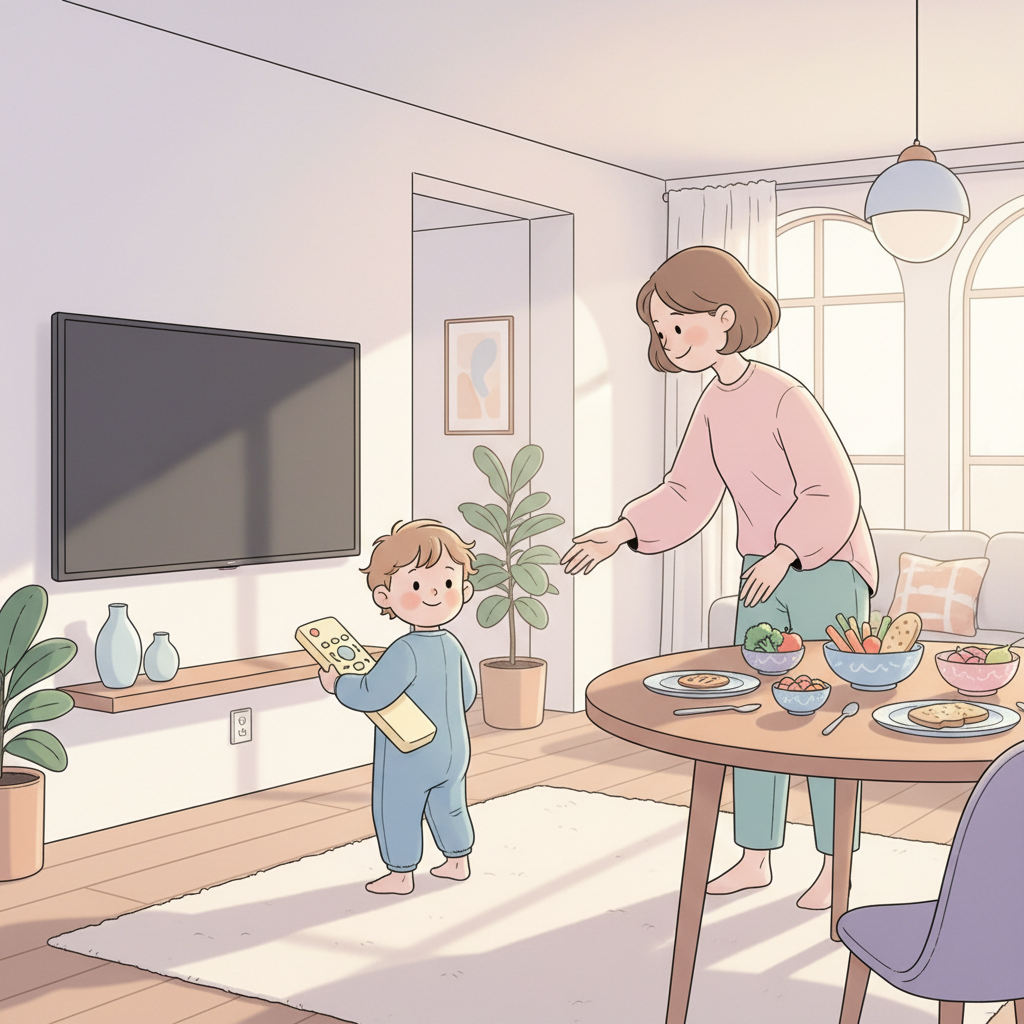
Toddler Tantrum When TV Goes Off for Dinner: Your Guide to Smoother Transitions
Your toddler has a 101°F fever—should you worry? The short answer: it depends on their age, and the American Academy of Pediatrics (AAP) provides clear guidance. But what about the meltdown when the TV goes off right at dinner time? This is another common parenting challenge, and while it might feel like a power struggle, understanding the underlying reasons can help us navigate these moments more gently. Dealing with a toddler tantrum when TV goes off for dinner can be incredibly draining, but by implementing consistent strategies, we can pave the way for calmer evenings.
This article offers evidence-informed approaches, drawing from recommendations by organizations like the AAP and the Centers for Disease Control and Prevention (CDC), to help you manage screen time transitions and foster more peaceful mealtimes.
Why Toddlers Struggle When the Screen Goes Dark
It's common for toddlers to resist transitions, and the shift from engaging screen time to dinner can be particularly challenging. Understanding why this happens is the first step in addressing it.
Why Toddlers Struggle with Transitions
Toddlers are known for their developing independence, but they also thrive on predictability. Sudden changes can feel overwhelming. Their brains are still learning to regulate emotions and manage expectations, making it difficult for them to switch gears abruptly.
The Impact of Screen Time on Toddler Brains
Research suggests that very young children process on-screen information differently than real-world experiences. Fast-paced visuals and sounds can be highly stimulating, making the quieter, more mundane task of transitioning to dinner feel like a significant loss. The AAP notes that screen experiences during early childhood can impact attention and impulse control, although more research is ongoing. If you're concerned about toddler screen overstimulation, there are specific strategies to help.
Are They Addicted or Just Overwhelmed?
While "screen addiction" isn't a formal diagnosis in toddlers, frequent and prolonged screen use can create dependency. More often, however, a tantrum when the TV goes off is a sign that a child is overwhelmed by the demand to stop an activity they enjoy and that they haven't been adequately prepared for the change. They may be experiencing frustration, disappointment, or a lack of control. If you're dealing with toddler hitting after screen time, it’s a clear sign they need help managing these big emotions.
When to Call the Pediatrician: Signs of Developmental Concerns
Most screen-time related tantrums are developmental and will improve with consistent strategies. However, if you notice other significant concerns alongside these transitions, such as extreme difficulty with any change, persistent social withdrawal, or significant delays in communication or motor skills, it's always wise to discuss them with your pediatrician. They can help determine if there might be underlying developmental or behavioral considerations.
Setting the Stage for Smoother Screen Time Transitions
Proactive strategies can significantly reduce the likelihood of a tantrum when it's time to turn off the TV. By building a foundation of predictability and clear expectations, you can make these shifts less jarring.
Establishing Consistent Routines and Expectations
The CDC emphasizes the importance of routines for young children. A predictable daily schedule, including consistent mealtimes and predictable winding-down periods, helps toddlers feel secure. When screen time is consistently followed by a specific activity (like washing hands for dinner), they begin to anticipate and accept the sequence.
Visual Timers and Other Helpful Cues
Visual aids can be incredibly effective for toddlers who don't yet grasp the concept of time.
- Visual Timers: Use colorful sand timers or digital timers that display the remaining time visually. Many apps also offer visual timers designed for children.
- Picture Schedules: A simple chart with pictures showing the sequence of activities (e.g., screen time, then wash hands, then dinner) can help your child understand what's coming next.
Engaging Alternatives Before Dinner
Sometimes, the resistance to turning off the TV stems from a lack of engaging alternatives. The AAP recommends limiting screen time for children under 2 years old and prioritizing interactive play. For older toddlers, consider introducing an activity before the TV formally ends that leads into dinner. This could be:
- A quick game of building blocks.
- Helping set the table (placing napkins or unbreakable cups).
- A short, calm reading session.
This helps redirect their focus proactively rather than simply demanding they stop something enjoyable.
Screen Time Recommendations by Age (AAP Guidelines)
The American Academy of Pediatrics offers clear guidance on screen time for children:
- Under 18-24 months: Avoid screen media other than video-chatting.
- 18-24 months: Parents can introduce high-quality programming, co-viewing with their child to help them understand what they are seeing.
- 2-5 years: Limit screen use to 1 hour per day of high-quality programs. Co-viewing is still encouraged.
Adhering to these guidelines can help manage expectations around screen use from the outset, making transitions less frequent and potentially less contentious.
The Transition Playbook: Turning Off the TV Without the Tears
When it's time to transition, your approach can make a significant difference. Gentle parenting principles focus on communication, empathy, and clear boundaries.
Giving Advance Warnings (and What to Say)
The key is anticipation. Two or three advance warnings are often recommended. Frame them positively and clearly.
- "In 10 minutes, we’ll be turning off the TV to get ready for dinner."
- "Five more minutes of watching, and then it will be time for our washing hands song!"
- "Last minute on the screen! What’s happening in your show right now?"
This prepares your child for the upcoming change, reducing the shock factor.
Specific Scripts for Gentle Disengagement
When the final warning is up, use calm, firm language.
- "Okay, show’s finished! Time to turn off the TV. Let’s go wash our hands for dinner. Do you want to hold the soap or turn on the water?"
- "The TV is going to sleep now. My turn to press the button. What are we going to play after dinner?" (if applicable).
- "TV time is over. I can see you’re sad about that. It’s okay to be sad. We’ll watch again tomorrow. Dinner is ready now."
The goal is to acknowledge their feelings while holding the boundary.
Discover your baby's phase
Making the 'Off' Button Part of the Routine
Empower your child by making a small part of the transition their responsibility.
- "It’s time to turn off the TV. Do you want to press the button, or should I?"
- "Let’s press the off button together!"
This gives them a sense of agency and makes the act of turning off the TV less of a forceful removal of enjoyment.
Weaning a Toddler Off Screen Time for Meals
If screen time has become the default during mealtimes, it's time for a gradual shift:
- Start with a "no screens at the table" rule. Initially, this might mean turning off the TV before you even consider bringing food to the table.
- Introduce a "screen-free zone" during meal prep. Involve them in setting the table or other simple tasks while the TV is off.
- Gradually reduce "background TV" during meals. If the TV is on in the background, try turning it off for the first 10 minutes of the meal, then build up to the entire mealtime.
This screen time to dinner transition requires patience and consistency.
Calming the Storm: De-escalating Tantrums When They Happen
Despite our best efforts, tantrums can still occur. When your toddler is upset that the TV is off, your response is crucial for teaching them emotional regulation.
Acknowledge Feelings, Set Boundaries
The AAP and child development experts suggest validating your child's emotions.
- "I see you are very upset that the TV is off. It’s hard when something fun stops."
- "You wanted to keep watching, and now it's finished. That feels frustrating."
After acknowledging their feelings, gently but firmly reiterate the boundary without lengthy explanations. "The TV is off now. Dinner is ready."
Distraction and Redirection Techniques
Once their emotions have been acknowledged, redirecting their attention can be effective.
- "That’s okay. Come help me put your plate on the table."
- "Look! We have yummy pasta for dinner! What color is your plate?"
- "Let’s hum our dinner song while we walk to the table."
The goal is to shift their focus from the lost screen time to the present activity.
Post-Tantrum Repair and Connection
After the storm has passed and your toddler has calmed down, it’s vital to reconnect. This reinforces your secure attachment and helps them feel safe.
- Offer a hug.
- Sit near them while they eat.
- Briefly revisit the transition: "It was a big change to turn off the TV, wasn't it? Now we get to eat our dinner together."
This helps them process the experience without lingering shame or anxiety.
Understanding Different Tantrum Behaviors
While most toddler tantrums are typical expressions of frustration, it’s worth noting that certain behaviors might warrant closer attention. For example, children with autism spectrum disorder (ASD) may have more intense or prolonged reactions to changes in routine or sensory overload. Signs to discuss with a pediatrician include:
- Extreme difficulty with any change in routine.
- Lack of eye contact or social engagement during or after the tantrum.
- Repetitive behaviors or unusual sensory sensitivities that seem exacerbated.
This is not to suggest that every tantrum is a sign of a disorder, but rather to emphasize that professional consultation is key if you have persistent concerns about your child's overall development and behavior.
Dinner Time Harmony: Making Mealtime Appealing
The goal isn't just to turn off the TV without a fuss; it's also to make mealtime an enjoyable and engaging experience that toddlers want to transition to.
Involving Toddlers in Dinner Prep
Even young toddlers can participate in simple tasks, fostering a sense of ownership over the meal. This helps them look forward to eating what they've helped create.
- Washing vegetables.
- Stirring (with supervision).
- Tearing lettuce.
- Placing ingredients in a bowl.
This hands-on involvement turns dinner prep into a fun activity, not a chore.
Creating a Positive Family Meal Environment
The dynamics at the dinner table matter. Try to foster connection and positive interactions.
- Keep conversation light and positive.
- Minimize distractions like phones.
- Focus on connection rather than perfection in eating or behavior.
When family meals are pleasant, the transition away from screen time becomes less of a loss and more of a gateway to connection.
When It's Okay to Let Go of Perfection
In the pursuit of smooth transitions and calm mealtimes, remember that some days will be harder than others. Your toddler is learning, and so are you. Focus on progress, not perfection. A few minutes of calmer transitioning, a partially eaten meal, or a brief stretch of peaceful dinner conversation are all victories. The overall goal is to build a foundation of gentle guidance and connection, even when navigating the inevitable toddler tantrums when TV goes off for dinner.
This journey of parenting is dynamic. What works today might need adjustment tomorrow. By staying attuned to your child’s needs and drawing on evidence-based strategies, you can navigate these challenging transitions with more grace and build a more harmonious family life. When in doubt, always consult with your pediatrician for guidance tailored to your child's specific development and needs.