Toddler Tantrum When Screen Time Ends: Gentle Parenting Guide
Learn gentle parenting strategies to prevent & manage toddler tantrums when screen time ends. Discover tips for smooth transitions, proactive boundaries, and building healthy tech habits.
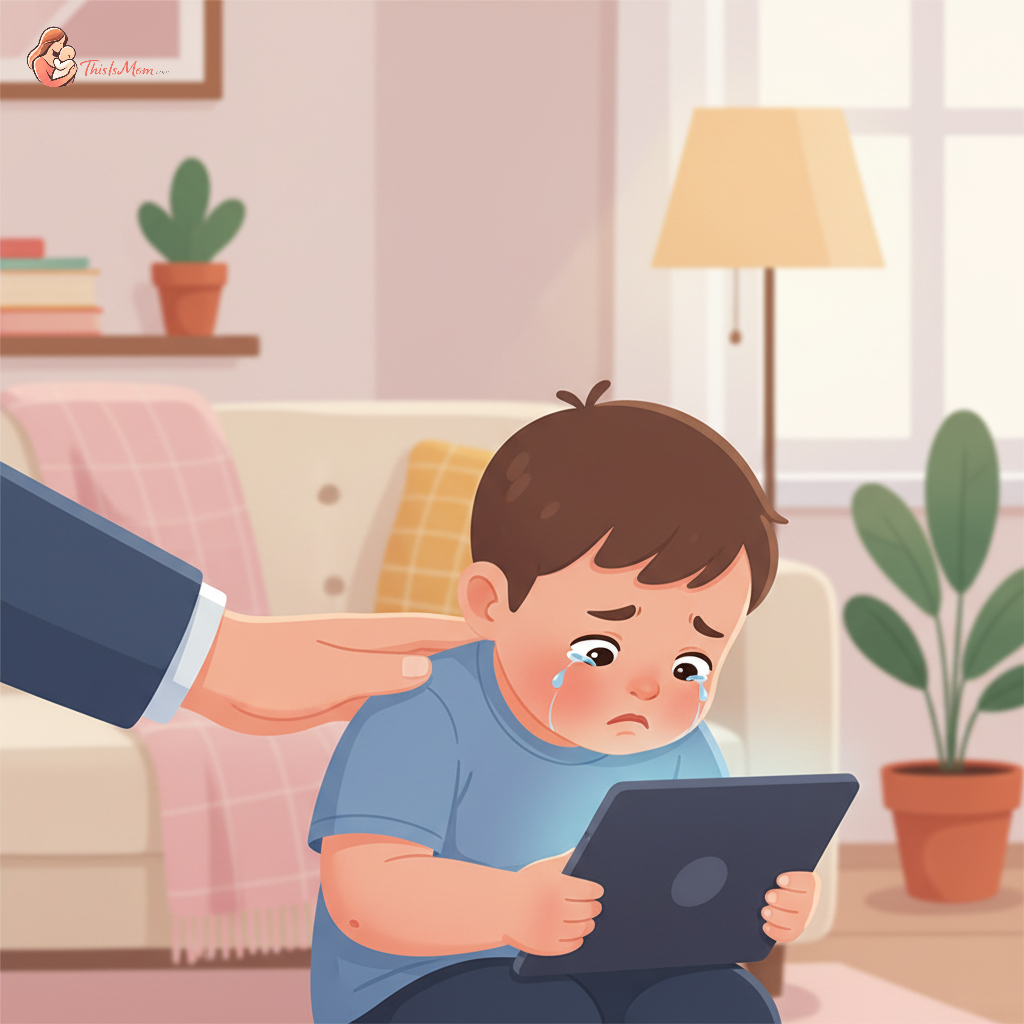
Toddler Tantrum When Screen Time Ends? Navigating Transitions with Gentle Parenting
Your toddler has been happily engrossed in a colorful cartoon, and suddenly, the screen goes dark. Within moments, a full-blown tantrum erupts. Sound familiar? Understanding how to manage a toddler tantrum when screen time ends with gentle parenting means looking at brain development, setting clear expectations, and responding with empathy. It doesn't have to be a daily battle.
Why Screen Time Transitions Are So Hard for Little Ones
Toddlers are still developing crucial self-regulation skills. Screen time, with its rapid pacing and constant stimulation, can be particularly captivating for their developing brains. The American Academy of Pediatrics (AAP) notes that while screens can offer educational benefits, they can also be highly absorbing, making the shift to another activity feel jarring. Restricted screen time can significantly improve nap quality and overall readiness for other activities.
This intense focus is partly due to how screens stimulate dopamine, a neurotransmitter associated with reward and pleasure. When that stimulation is abruptly removed, it can feel like a significant loss or disappointment to a young child who hasn't yet mastered the art of delaying gratification. For a toddler, the end of screen time can feel like a personal attack, a sudden deprivation of something they truly enjoy.
Setting the Stage: Gentle Parenting Principles for Screen Time
Gentle parenting, at its core, is about connection, understanding, and guiding behavior rather than controlling it. Applying these principles proactively can make screen time transitions smoother.
Establishing clear boundaries and consistent routines is fundamental. Knowing what to expect, and when, helps toddlers feel secure. This predictability is a cornerstone of ending screen time gently for toddlers.
Building connection beforehand is also key. Before screen time even begins, or during periods without screens, spend quality time engaging with your child. This "filling their attention cup" means uninterrupted play, reading together, or simply being present. When a child feels seen and valued, they are often more cooperative when it's time to transition. Discovering screen time alternatives can help fill this connection time.
Beyond simply saying "no more screen time," gentle parenting encourages offering choices. This can empower toddlers and reduce feelings of being controlled. Instead of just ending the activity, involve them in the process.
Proactive Strategies for Smoother Departures
- Clear Boundaries: Decide on age-appropriate screen time limits and stick to them. The AAP offers recommendations based on age.
- Consistent Routines: Integrate screen time into the daily schedule rather than having it be a spontaneous free-for-all.
- Connection First: Dedicate time for focused, screen-free interaction with your child daily.
- Offer Choices: Where possible, let your child have a say in when screen time happens, or what they do immediately after.
Smooth Transitions: How to End Screen Time Gently
The most effective way to avoid a full-blown tantrum is to prepare for the transition before it happens. This involves anticipating the shift and signaling it in advance.
The "five-minute warning" is a universally recommended strategy. Giving your child a heads-up that screen time will end soon allows their brain to begin processing the upcoming change. This is a critical step in managing screen time tantrums with gentle parenting.
After the warning, consider a "one-minute warning" for an even shorter lead-up. This provides an extra opportunity for them to wind down the activity.
Bridging Activities and Gamifying the End
Discover your baby's phase
Once the screen is off, having enticing alternatives ready can make the switch feel less like a loss. Think about what your child enjoys doing next.
Examples include:
- "Let's watch two more minutes, and then we can build a big tower with your blocks!"
- "When the show is over, we can get out the playdough and make some yummy pretend cookies."
- "The timer is ringing! Let's see if we can put the tablet away before the song ends!"
Making the end of screen time a game or a unique activity can reframe the experience from a punishment to something interesting. This is a core aspect of gentle parenting screen time transitions.
Navigating a Toddler Tantrum When Screen Time Ends Gently
Even with the best preparation, meltdowns can still occur. When they do, the goal of toddler screen time meltdowns with positive parenting is to respond with calm empathy rather than escalating the situation.
The CALM Approach to Tantrums
The CALM acronym can be a helpful guide:
- C – Connect: Get down to your child's level and make eye contact.
- A – Acknowledge: Validate their feelings without necessarily agreeing with their behavior.
- L – Listen: Let them express their distress, even if it's just through sounds and gestures.
- M – Manage: Hold the boundary gently but firmly, offering comfort and reassurance.
When your toddler is upset, validation is crucial. Phrases like "I see you’re very angry that screen time is over" can help them feel understood. Hold the boundary firmly – screen time is finished for now – but offer comfort. This might mean a hug, sitting with them, or offering a comforting object.
Sometimes, especially with younger toddlers, allowing them to "cry it out" in a safe space while you remain nearby can be effective. However, if the tantrum feels overwhelming or you're struggling to remain calm, it's okay to take a brief break yourself or ask your partner or another caregiver for support. When in doubt, check with your pediatrician on age-appropriate responses to meltdowns.
Beyond the Tantrum: Building Positive Screen Time Habits Long-Term
Successfully navigating these transitions isn't just about handling the immediate tantrum; it's about building healthier screen habits over time.
The AAP provides guidelines for screen media use in children and adolescents, emphasizing age-appropriate content and mindful consumption. They suggest that screen time should not displace adequate sleep, physical activity, and other essential developmental activities. Understanding this balance is key to gentle discipline around screens.
Re-evaluating screen time limits and how they fit into your family's unique rhythm is important. What works for one child or family might not work for another. Consider your child's temperament, developmental stage, and overall behavior.
Most importantly, parents act as powerful role models. How you interact with screens, the boundaries you set for yourself, and your own willingness to disconnect influence your child's behavior. Be mindful of your own media habits.
Navigating the world of toddler screen time and tantrums is a journey. By focusing on understanding, connection, and consistent, gentle guidance, you can help your child develop a healthier relationship with technology and build resilience for future transitions.