Toddler Thinks Naptime Is Playtime? How to Reset Sleep
Is your toddler fighting naps and treating naptime like playtime? Learn practical strategies to create a sleep-conducive environment, reset sleep schedules, and set boundaries for peaceful rest.
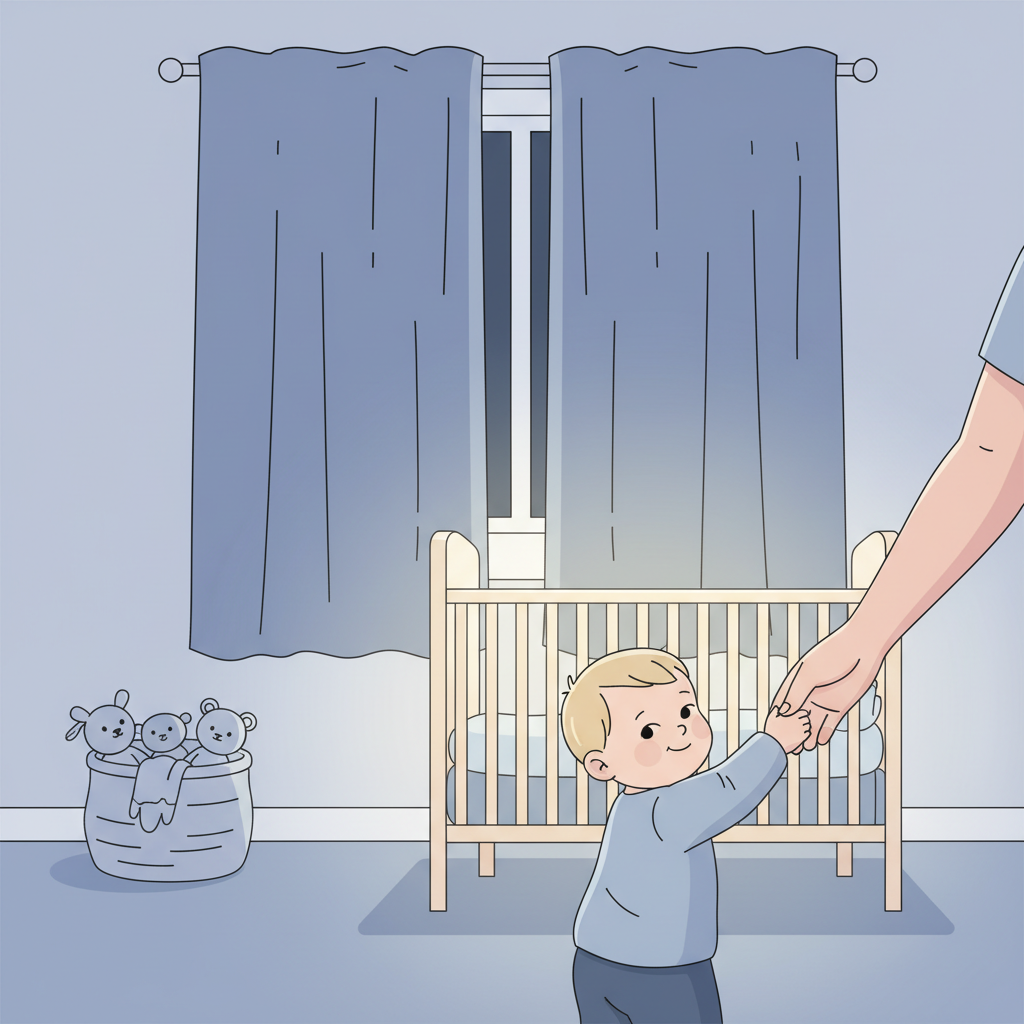
- Darkness is your best friend here. A completely dark room signals to a child’s brain that it’s time to wind down and produce melatonin. Blackout curtains are an excellent investment, blocking out sunlight, streetlights, and anything else that might pique their curiosity.
- Quiet is also crucial, but with toddlers, absolute silence can sometimes make them more hyper-aware of every little sound. Some parents find a white noise machine helpful to create a consistent, calming soundscape that muffles jarring noises from the rest of the house or outside.
- Ensure their sleep space is comfortable. Soft pajamas that aren't too tight or restrictive, a favorite lovey or blanket (if age-appropriate and not a safety concern), and a familiar crib or bed can all contribute to a sense of security.
- Crucially, ditch the distractions. Toys should be out of the nap space. This is a hard rule, but an important one. If a beloved teddy bear or a chunky puzzle is in the crib with them, it becomes an invitation to play, not a cue for sleep. When they are in their nap space, it needs to be understood as a place for rest.
Resetting the Clock: Gently Shifting Circadian Rhythms
When naptime is consistently a battle, it might be time to reset the clock, so to speak. This involves looking at the whole day and making small, strategic adjustments to help them naturally feel tired at the right times. Resetting a toddler sleep schedule isn't about rigid control; it's about predictability and cues.
- Consistency is key. A predictable nap routine helps toddlers understand what’s coming next. This could involve a quiet story, a lullaby, and then tucking them in. Even if they resist, sticking to the routine helps signal that it’s time for sleep.
- Your child’s wake-up time matters more than you might realize. An overtired wake-up time can throw off their entire sleep rhythm for the day, making naps feel impossible. Similarly, waking them too early from their nap can mean they’re not tired enough by bedtime. Aim for a consistent wake-up time, even on weekends, if possible. For a 4-month-old, this can be particularly tricky due to the 4-month sleep regression & Daylight Saving Time.
- Implement a strategic calm-down period before naptime. This is not the time for high-energy games or exciting new activities. In the 30-60 minutes leading up to their nap, transition to quieter activities: reading books, doing a quiet puzzle, listening to soft music. This wind-down period helps their body and mind prepare for rest.
The Naptime Power Struggle: Setting Boundaries
If you’ve set the stage and you’re still facing resistance, it’s time for clear, firm, but gentle boundaries. Toddlers need to know what’s expected, and when naptime is declared, it needs to be a ‘no-negotiation’ zone.
Discover your baby's phase
This means, once you’ve gone through your calm-down routine and put them in their sleep space, you’re out. If they get out of bed, you calmly and quietly use stay-in-bed techniques. This could involve repeatedly returning them to their bed with minimal interaction. Each time, be firm and direct: "It's naptime. Time to sleep." Avoid engaging in lengthy conversations or giving in to demands they voice once they are out. Some parents find that even after trying for a while, it's still hard, and if you're finding that cry-it-out fails for your 1-year-old, other gentle methods are available.
There will be days when nothing works. If your toddler is fighting sleep with every fiber of their being, and you’ve gone through these steps several times without success, sometimes the best strategy is to give up (and try again later). Perhaps they are truly not tired today. You can try putting them down again an hour later, or even skip the nap entirely if it’s later in the afternoon and you're worried about bedtime. This isn't about caving; it's about recognizing when the battle is doing more harm than good and recalibrating for a later attempt. For a baby who wakes up immediately after falling asleep, this type of reset might also be necessary.
Beyond the Nap: Supporting Overall Sleep Health
Remember, naptime isn't an isolated event; it’s part of a larger picture of sleep health. Supporting good naps often means supporting good sleep hygiene throughout the day.
- Daytime activity and exposure to natural light are powerful regulators of a child's sleep-wake cycle. Make sure your toddler gets plenty of opportunities to run around, play outside (weather permitting!), and absorb natural sunlight, especially in the morning. This helps anchor their internal clock.
- Be mindful of screen time and sleep. The blue light emitted from screens can interfere with melatonin production. Try to limit screen time, especially in the few hours leading up to naptime and bedtime. Drawing a clear line on when screens are turned off can make a significant difference.
- Finally, when to call the pediatrician. If your toddler's sleep issues are accompanied by other concerns – significant changes in behavior, difficulty breathing, excessive snoring, or extreme daytime sleepiness despite naps/bedtime – it's always a good idea to consult with their doctor. They can help rule out any underlying medical issues that might be impacting sleep. For example, if your baby is spitting up formula excessively, it could be a medical issue affecting their comfort and sleep. Another thing to consider are HSA eligible expenses for common childhood illnesses, as health issues can impact sleep.
This chapter of toddlerhood often feels like a constant hurdle, especially when sleep is involved. But just like those early colic days or the seemingly endless toddlerhood questions, this, too, shall pass. Grant yourself grace, trust your instincts, and remember you're navigating a very normal, very challenging, and very temporary phase. For parents considering other transitions, you might also want to know how to transition from bassinet to crib at 4 months.