Toddler Throws Everything: Phase, Attention, or What to Do?
Is your toddler throwing things, seeking attention, or exploring? Learn why toddlers throw objects, how to manage the behavior, and when to seek pediatrician advice.
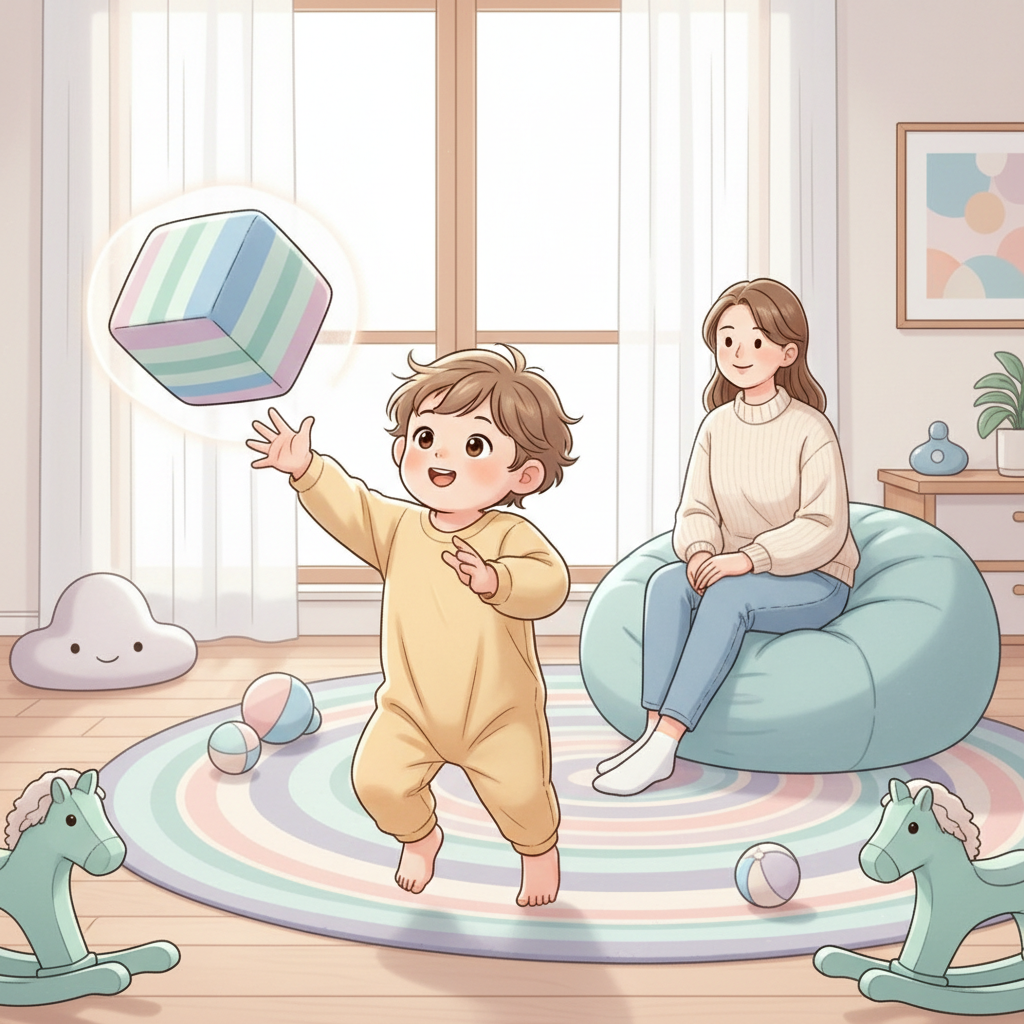
Toddler Throws Everything: Developmental Phase or Attention Seeking?
Is your toddler throwing things again? Understanding whether this is a normal developmental stage or an attempt to get attention can feel like deciphering a secret code. This is a common parenting puzzle, and you are not alone in this experience.
The urge to understand why toddlers throw things and how to manage this behavior leads many parents to seek guidance. This article translates research and developmental guidelines on toddler throwing behavior, offering practical strategies for navigating this energetic stage.
The Universal Toddler Fascination with Gravity
That moment a tiny hand releases a toy, and it arcs through the air before landing with a clatter, is often pure discovery for a toddler. They are not just aiming for the floor; they are exploring physics in real-time. This fascination with cause and effect is a fundamental part of early childhood development.
As parents, however, this constant barrage of flying objects can be utterly exhausting. From soft blocks to dinner spoons, nothing feels safe. It's natural to feel frustration and even a bit of desperation when your living space becomes an unintentional projectile playground.
Developmental Delight or Attention-Seeking Strategy? Understanding the 'Why'
Before we can effectively manage toddler throwing behavior, it's helpful to consider the potential motivations behind it. Guidelines from organizations like the American Academy of Pediatrics (AAP) suggest that throwing is often rooted in a child’s natural drive to learn and interact with their environment.
The Developmental Exploration: Cause, Effect, and Motor Skills
For toddlers, throwing is a milestone in their physical and cognitive development. It demonstrates a growing understanding of:
- Cause and Effect: They experiment with their actions and observe the results. "If I push this ball, it rolls. If I throw it, it flies!"
- Motor Skills: The act of throwing requires coordination of the arm, wrist, and hand, refining their gross and fine motor abilities.
- Spatial Awareness: They begin to grasp concepts of distance, trajectory, and where an object might land.
- Self-Expression: It can be an early form of asserting autonomy and exploring their capabilities.
The Attention-Seeking Side: When Throwing Becomes Communication
However, throwing can also become a powerful, albeit unintentional, communication tool for toddlers. When their verbal skills are still developing, or when they feel unheard, throwing can be a way to:
- Grasp Attention: They quickly learn that throwing an object, especially something you care about, will reliably elicit a reaction from you.
- Express Frustration or Anger: When overwhelmed or unable to communicate their needs, throwing can be an outlet for intense emotions.
- Test Boundaries: They are learning what is acceptable and what isn't, and observing your response helps them understand these limits.
The key difference often lies in the context and consistency of the behavior. Developmental throwing tends to be exploratory and less targeted, while attention-seeking throwing might be more deliberate and aimed at eliciting a specific parent reaction.
When Throwing is Developmental: Nurturing Natural Curiosity (and Containing the Mess)
If your toddler's throwing appears to be driven by exploration and a desire to understand the world, the strategy is to channel that energy constructively. The goal is not to stop the throwing altogether, but to guide it into appropriate outlets and environments.
Offering Safe Throwing Opportunities
This is crucial. Toddlers need to explore their physical capabilities. Provide plenty of safe items that are meant to be thrown:
- Soft balls (various sizes and textures)
- Beanbags (easy to grasp and toss)
- Stuffed animals or soft toys (for gentler tosses)
- Pool noodles (fun for larger, sweeping motions)
Designate specific areas where throwing is encouraged, such as a playroom, backyard, or a large blanket laid out on the floor. Make it clear: "We can throw balls outside or in your room, but we don't throw blocks in the living room."
Encouraging Exploration Beyond Throwing
Once they understand throwing as a capacity, you can broaden their interests. Link throwing to other developmental activities:
- From throwing to building: Encourage them to stack blocks after they've thrown balls.
- From throwing to sorting: "Let’s throw these beanbags into the basket," then "Now, let's sort them by color."
- From throwing to simple games: "Can you throw the ball to Daddy?"
This approach validates their natural urges while gently expanding their understanding of how their bodies and objects can be used in different ways.
When Throwing is for Attention: Gentle But Firm Boundaries
If you suspect your toddler’s throwing is a bid for attention or a way to express distress, the approach needs to shift towards establishing clear, consistent boundaries. Research on child development consistently highlights the importance of predictable responses for toddlers.
Observing the Pattern: When Does the Throwing Happen?
Pay close attention to the circumstances surrounding most throwing incidents. Does it tend to occur:
Discover your baby's phase
- When you are busy or distracted?
- During transitions (like bedtime or mealtime)?
- When they are asked to do something they don't want to do?
- When they are feeling overtired or overstimulated?
Identifying these patterns can help you anticipate and potentially prevent the behavior, or at least intervene more effectively.
Consistent Responses: The Power of 'No, We Don't Throw That'
When throwing is inappropriate, your response needs to be calm, consistent, and immediate. The AAP emphasizes that consistency is key for toddlers to learn rules.
- Use a firm but gentle tone: "No, we don't throw the cup."
- State the rule clearly and simply: Avoid lengthy explanations or lectures.
- Remove the object: If they throw a toy, take it away for a short period. "The toy is going away because you threw it."
The goal is to communicate that the behavior is unacceptable, not that the child themselves is bad.
Redirecting to Appropriate Behaviors and Positive Attention
After setting the boundary, redirect your toddler to an acceptable behavior and provide positive attention. This shows them that you are available and that you notice their good choices.
- Offer an alternative: "If you're frustrated, you can stomp your feet or ask for a hug."
- Give praise for desired behavior: "Thank you for putting the book down gently."
- Engage with them positively: "I see you're playing nicely. Can you tell me about your tower?"
This strategy deliberately teaches them that positive attention is more rewarding than negative attention gained through throwing.
When to Consider a Pediatrician Consultation
While throwing is a common toddler behavior, there are times when it may signal a need for professional evaluation. Your pediatrician is your best resource for understanding your child's specific development and behavior.
Persistent Throwing That Escalates or Causes Harm
If the throwing behavior is particularly intense, frequent, and doesn't seem to respond to consistent boundary-setting, it might be worth discussing. This is especially true if the throwing is causing significant harm to themselves, others, or property, and the behavior is escalating rather than diminishing over time.
If Throwing is Accompanied by Other Concerning Behaviors
The CDC and AAP provide guidance on developmental milestones, and changes in behavior are often assessed in the context of overall development. You should consult your pediatrician if throwing is accompanied by other concerns, such as:
- Significant delays in other developmental areas (speech, motor skills, social interaction).
- Extreme aggression or persistent defiance that impacts daily functioning.
- Self-injurious behaviors.
- A sudden, drastic change in behavior without an apparent cause.
Your pediatrician can help determine if the throwing is within the typical range of toddler behavior or if there are underlying issues that need addressing.
Creating a More Harmonious Home for Everyone
Managing toddler throwing behavior is a marathon, not a sprint. It requires patience, consistency, and a deep well of understanding. With the right strategies, you can foster a more peaceful home environment and help your child learn valuable social and emotional skills.
Environmental Adaptations: 'Throw-Proof' Zones
Make your home a bit more forgiving to reduce stress for everyone. Consider:
- Securing breakables: Store valuable or fragile items out of reach during particularly energetic phases.
- Using protective mats: Place rugs or mats under play areas to cushion dropped items.
- Creating designated 'messy' zones: Areas where a bit more freedom with toys is allowed.
Teaching Replacement Behaviors: 'Gentle Hands' or 'Put It Down'
Actively teach your toddler what you want them to do instead of throwing.
- Model the behavior: Show them how to hold, stack, or place toys gently.
- Use simple phrases: "Gentle hands," "Put it down," "Place it here."
- Practice together: Turn it into a game to reinforce the desired action.
Patience and Consistency: The Long Game of Toddlerhood
Remember that toddlers are learning new skills daily, and impulse control is one of the hardest. Your calm, consistent responses are teaching them self-regulation and empathy. Celebrate small successes and understand that there will be days that test your resolve.
Navigating the energetic and sometimes chaotic world of toddlerhood is a journey. By understanding the developmental roots of throwing behavior and responding with consistent, gentle guidance, you can help your child move through this phase and develop into a more thoughtful, responsive individual. The insights from child development experts consistently point to patience and clear boundaries as the most effective tools in your parenting toolkit.
When in doubt about your child’s behavior, the most valuable resource remains your trusted pediatrician. They can offer personalized advice based on your child’s unique development and your family’s specific circumstances.